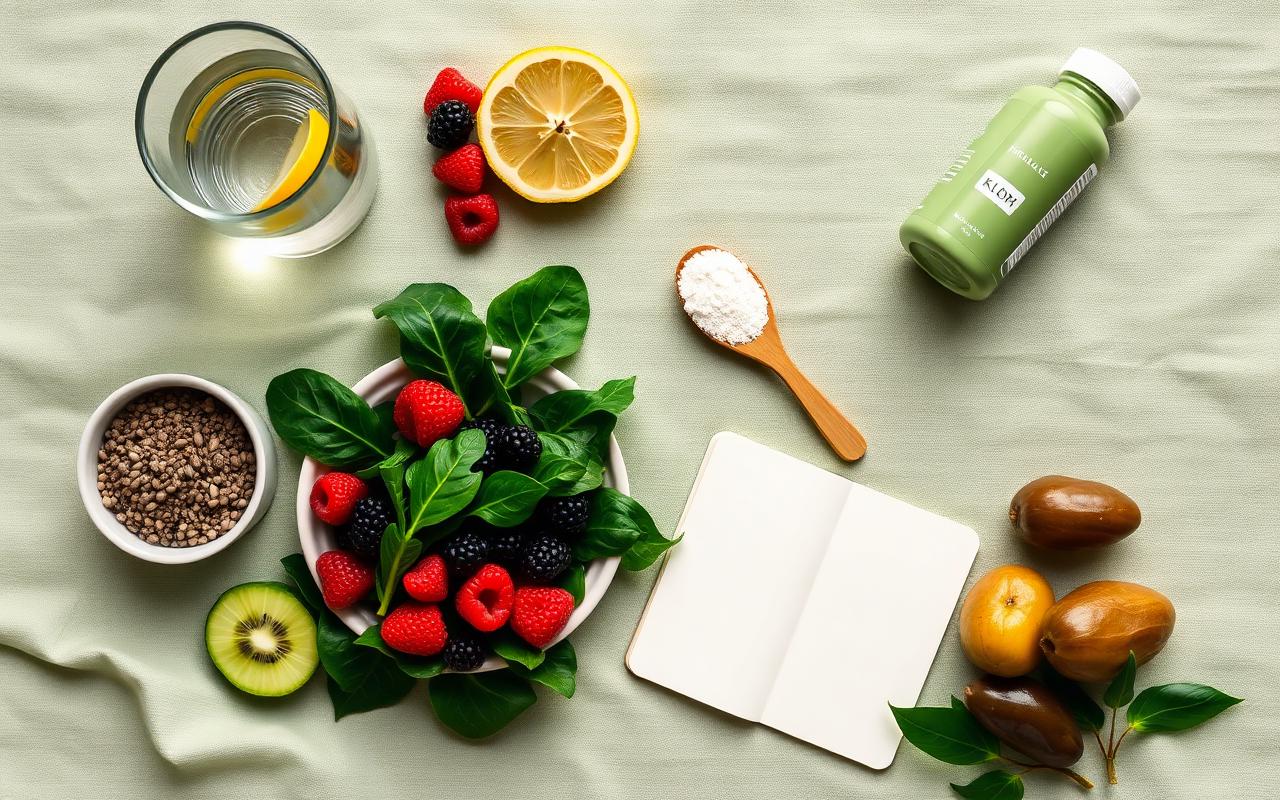
How Much Protein Should You Eat on a GLP-1? (2026 Daily Targets)
The exact daily protein target on Ozempic, Wegovy, Mounjaro, and Zepbound — how many grams per pound, per meal timing, easy foods that hit it, and why 1.2 to 1.6 g/kg is the difference between losing fat and losing muscle.
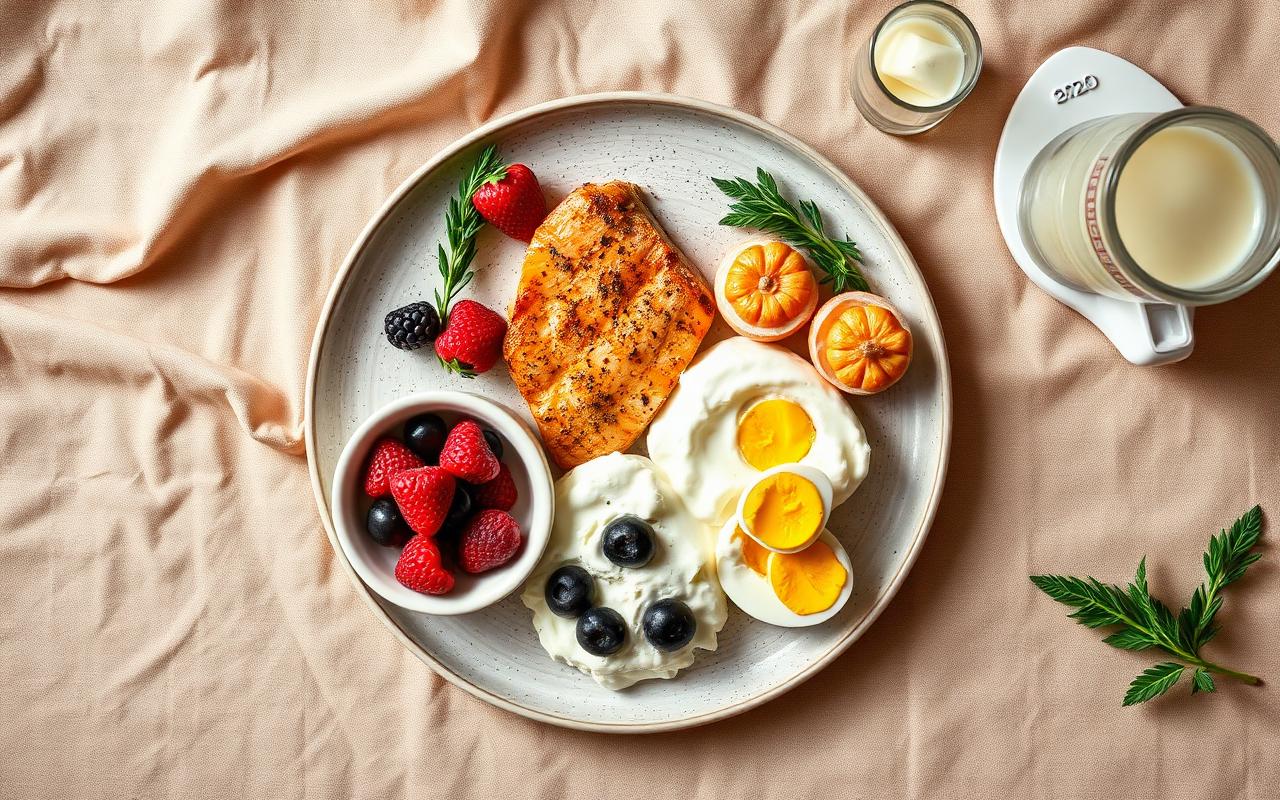
The short answer: aim for 1.2 to 1.6 grams of protein per kilogram of body weight per day on a GLP-1 — that is roughly 0.55 to 0.73 g per pound. For a 180-pound (82 kg) adult, that works out to about 100 to 130 g of protein daily, spread across 3 to 4 meals of 25 to 40 g each.
Miss that target and you lose muscle, not just fat. The SURMOUNT and STEP trials showed that up to 25 to 40 percent of the weight lost on GLP-1 and GIP/GLP-1 medications can be lean mass without deliberate protein intake and resistance training. Muscle loss quietly wrecks metabolism, strength, and the sustainability of your results long after you stop the medication.
Below: the exact grams-per-pound target, how to split protein across the day, the highest-yield foods on a shrunken appetite, and the supplements that make hitting the number realistic on low-appetite days.
The exact protein target on a GLP-1
Every major obesity-medicine society (Obesity Medicine Association, The Obesity Society, and international clinical guidelines from 2024 to 2026) converge on the same range for adults using GLP-1 receptor agonists: 1.2 to 1.6 g of protein per kg of body weight per day. Older, more sedentary users trend to the high end; younger, more active users can sit at 1.4 to 1.6 g/kg.
That is meaningfully higher than the outdated 0.8 g/kg RDA, which was designed to prevent deficiency in sedentary adults — not to protect muscle during rapid weight loss.
- Minimum floor: 1.2 g per kg of body weight (0.55 g per pound).
- Optimal target: 1.4 to 1.6 g per kg (0.65 to 0.73 g per pound).
- Upper end for active users or resistance training: up to 1.8 g per kg.
- Never drop below 60 g total per day, even on the worst nausea days.
Quick reference: grams of protein by body weight
Use your current body weight, not your goal weight. As you lose weight, recalculate every 15 to 20 pounds.
- 130 lb (59 kg): 71 to 94 g protein per day.
- 150 lb (68 kg): 82 to 109 g protein per day.
- 180 lb (82 kg): 98 to 131 g protein per day.
- 200 lb (91 kg): 109 to 145 g protein per day.
- 225 lb (102 kg): 122 to 163 g protein per day.
- 250 lb (113 kg): 136 to 181 g protein per day.
- 275 lb (125 kg): 150 to 200 g protein per day.
- 300 lb (136 kg): 163 to 218 g protein per day.
Why GLP-1 users need more protein, not less
GLP-1 medications (semaglutide in Ozempic and Wegovy, tirzepatide in Mounjaro and Zepbound) work by suppressing appetite and slowing gastric emptying. That is exactly what makes them effective — and exactly what makes protein hard to hit.
Total calories drop 30 to 50 percent for most users. If protein drops proportionally, the body pulls amino acids from muscle to run daily processes. The scale still moves, but a chunk of it is muscle, water, and bone density — not fat.
Protecting muscle matters for four reasons: (1) muscle burns calories at rest, so losing it slows metabolism and drives the notorious plateau; (2) muscle keeps you strong, independent, and injury-free as you age; (3) higher protein blunts the rebound hunger that shows up when you stop the medication; (4) protein is the most satiating macronutrient, which makes the small meals you can tolerate actually satisfying.
How to split protein across the day
Your body can only use about 30 to 40 g of protein per meal for muscle protein synthesis. Front-loading it all at dinner does not work — you need multiple stimulation windows.
- Breakfast: 25 to 35 g (Greek yogurt + protein shake, or eggs + cottage cheese).
- Lunch: 30 to 40 g (chicken, fish, or tofu with vegetables).
- Dinner: 30 to 40 g (salmon, lean beef, or turkey with a starch).
- Optional snack or shake: 20 to 30 g to fill any gap.
- Never skip breakfast protein — it is the meal GLP-1 users skip most, and the one most tied to muscle loss.
The 15 highest-yield protein foods on a GLP-1
These pack the most protein per bite, sit well on a slower-emptying stomach, and are low in the fats that trigger nausea.
- Grilled chicken breast — 30 g per 4 oz.
- Salmon — 25 g per 4 oz, plus omega-3s that reduce GI inflammation.
- White fish (cod, tilapia, halibut) — 22 to 26 g per 4 oz.
- Shrimp — 24 g per 4 oz.
- Lean ground turkey (93/7) — 28 g per 4 oz.
- Sirloin or lean beef (93/7) — 30 g per 4 oz.
- Eggs — 6 g each; 3 eggs = 18 g.
- Egg whites (carton) — 26 g per cup.
- Greek yogurt, plain 2% — 20 g per cup.
- Cottage cheese, 2% — 25 g per cup.
- Whey or plant protein powder — 20 to 30 g per scoop.
- Tofu (firm) — 20 g per cup.
- Tempeh — 31 g per cup.
- Lentils — 18 g per cup, cooked.
- Edamame — 18 g per cup, shelled.
Sample 120 g protein day (typical 180 lb adult)
- Breakfast (32 g): 1 cup Greek yogurt + 1 scoop protein powder + berries.
- Mid-morning (10 g): 1 hard-boiled egg + string cheese.
- Lunch (35 g): 5 oz grilled chicken + quinoa + roasted vegetables.
- Afternoon (15 g): cottage cheese with cucumber and salt.
- Dinner (30 g): 4 oz salmon + sweet potato + steamed broccoli.
- Total: 122 g protein, ~1,500 calories.
What to do when nothing sounds good
Nausea, food aversions, and early fullness are the biggest reasons GLP-1 users miss protein. On those days, lean on liquid and soft protein — your stomach tolerates them when it will not tolerate a chicken breast.
- Protein shake with unsweetened almond milk — 25 to 30 g in one glass.
- Bone broth + collagen scoop — 20 g, warm, calming to a queasy stomach.
- Greek yogurt with berries — cold, easy, 20 g.
- Cottage cheese with a drizzle of honey — 25 g in a small bowl.
- Soft-scrambled eggs with cheese — 18 to 22 g, easier than hard-boiled.
- Ricotta with fruit — 14 g per half cup, gentle texture.
- Chilled poached chicken with olive oil — often tolerated when hot chicken is not.
Supplements that make the target realistic
For most GLP-1 users, hitting 100 to 150 g of protein from whole food alone is the exception, not the rule — appetite is simply too small. Two to three targeted supplements close the gap on low-appetite days.
- Whey protein isolate — 25 g per scoop, fastest to absorb, lowest lactose.
- Plant protein blend (pea + rice) — for lactose intolerance or sensitive stomachs.
- Collagen peptides — 10 to 20 g per scoop, dissolves invisibly into coffee or broth.
- Essential amino acids (EAAs) — for days when even a shake will not go down.
- A daily electrolyte + magnesium glycinate stack — supports the protein you do eat by preventing the fatigue and cramps that come from under-eating.
Common mistakes GLP-1 users make with protein
- Eyeballing portions — a 4 oz chicken breast looks bigger raw; weigh it once so you know the visual.
- Skipping breakfast protein — the single biggest driver of muscle loss on a GLP-1.
- Relying on nuts and cheese for protein — they are mostly fat, and fat triggers nausea.
- Only counting dinner — you cannot make up 100 g at one meal.
- Dropping protein when nausea is bad — that is exactly when muscle loss accelerates. Switch to shakes and yogurt, do not skip.
- Ignoring resistance training — protein without strength work still loses some muscle. Two short sessions a week is enough.
Frequently asked questions
- How many grams of protein per pound on a GLP-1? About 0.55 to 0.73 g per pound of body weight per day — roughly 100 to 130 g for a 180 lb adult.
- Is 100 g of protein enough on Ozempic? For adults under about 165 lb, yes. Over 180 lb, aim closer to 120 to 140 g.
- Can I get too much protein on a GLP-1? Healthy kidneys handle up to 2.0 g/kg easily. Anyone with kidney disease should check with a prescriber.
- Does protein powder count? Yes. It is one of the most reliable ways to hit target on low-appetite days.
- Should I eat protein before or after my shot? Both. But especially the 24 to 72 hours after your shot, when appetite is lowest and muscle loss risk is highest.
- Do I need to recalculate as I lose weight? Yes — every 15 to 20 lb, redo the math on your current weight.
Related guides
Medication guides mentioned in this article
Related tools
Supplements built for your GLP-1 journey
Formulated for the exact nutrient gaps GLP-1 medications create — protein, electrolytes, magnesium, digestive support, and more. Trusted by thousands staying strong, energetic, and healthy on Ozempic, Wegovy, Mounjaro, and Zepbound.
Continue reading

Why Am I Still Hungry on Ozempic? 9 Reasons Your Appetite Isn't Going Away
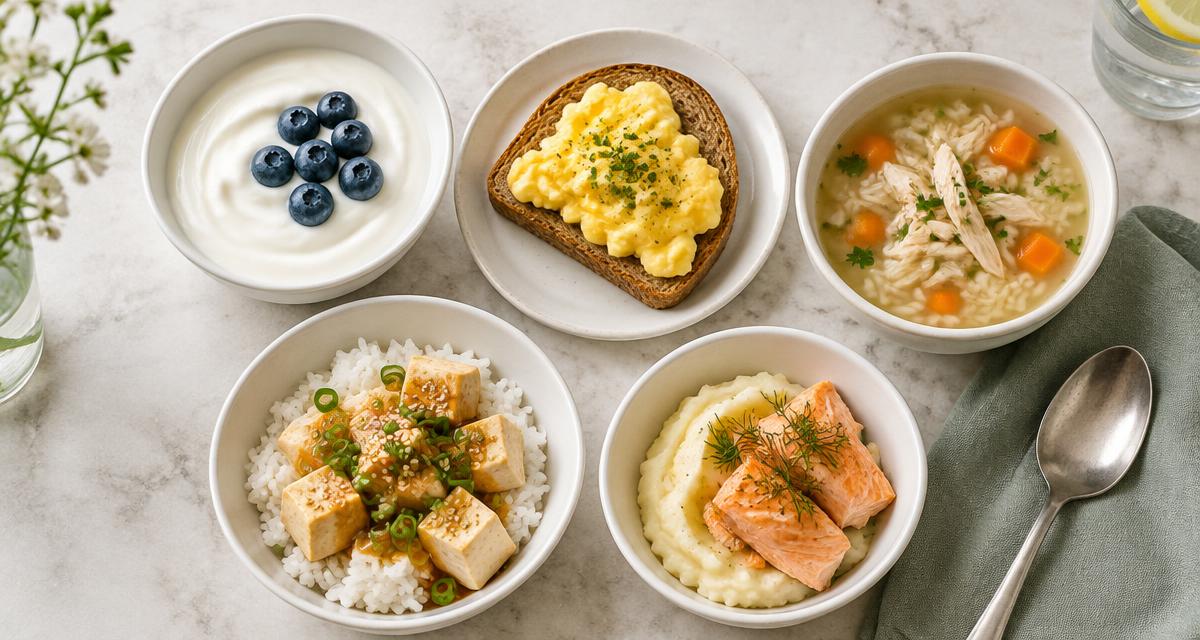
What to Eat When You're Not Hungry on GLP-1: 15 Small, Protein-Rich Meals
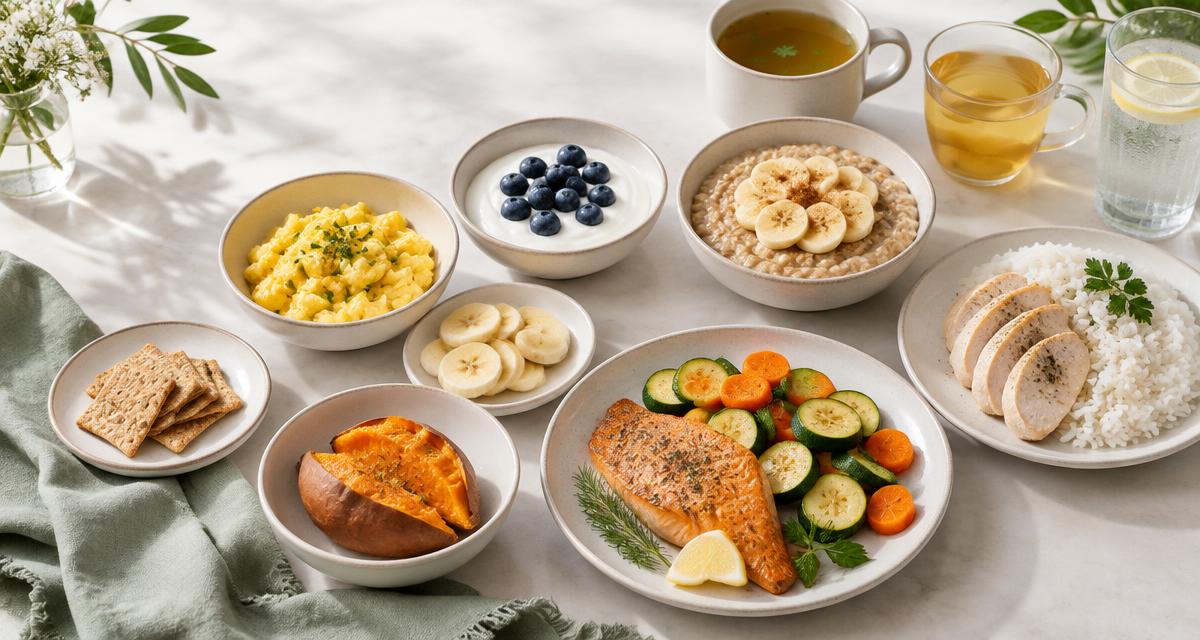
What to Eat on GLP-1 Medications: 25 Foods That Are Easy on Your Stomach
GLP-1 Bloating and Constipation: A Gut-Friendly Daily Routine