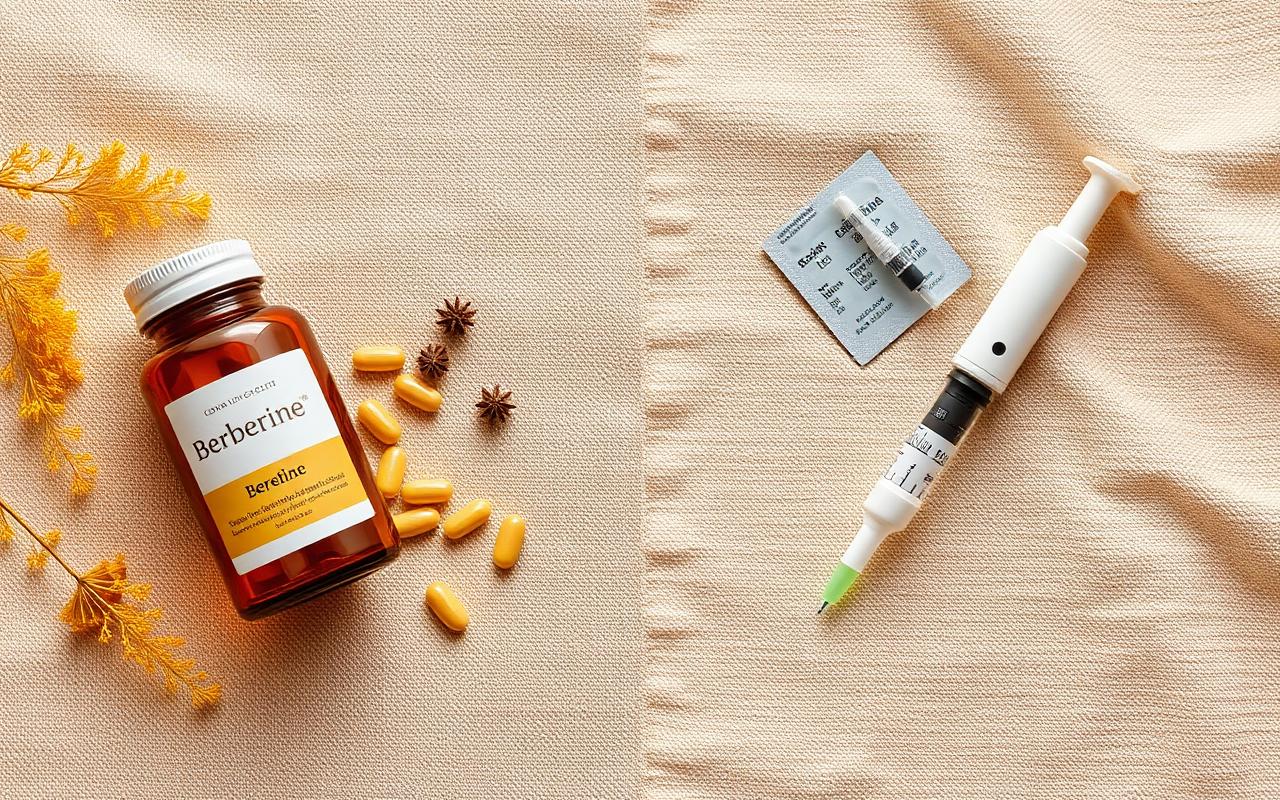
How to Protect Lean Muscle While on GLP-1 Medications
Up to 40% of weight lost on GLP-1s can come from muscle. Here's the protein, training, and supplement plan that protects your strength.

GLP-1 medications like semaglutide (Ozempic, Wegovy) and tirzepatide (Mounjaro, Zepbound) are remarkably effective at reducing appetite and helping people lose weight. But research published in JAMA, The Lancet, and Diabetes Care consistently shows that 25–40% of the weight lost on these medications can come from lean muscle mass — not just fat. In some studies of older adults, that number climbs even higher.
That matters because muscle isn't just about looking toned. It's the single biggest driver of your resting metabolic rate, it acts as a reservoir for glucose, it protects your joints and bones, and it's one of the strongest predictors of how well you'll age. Losing it on the way down means a slower metabolism, more fragility, and a much higher chance of regaining fat the moment you stop the medication.
The good news: muscle loss on GLP-1s is largely preventable with the right protein intake, resistance training, recovery, and a small handful of well-chosen supplements. This guide walks through exactly what the research says — and the practical daily routine we recommend to our Elevate GLP community.
Why muscle loss accelerates on GLP-1 medications
GLP-1 receptor agonists work by slowing gastric emptying and amplifying satiety signals in the brain. The result is a dramatic drop in appetite — often a 30–50% reduction in daily calorie intake within the first few weeks. That calorie deficit is what drives weight loss, but it also creates the exact biological conditions that trigger muscle breakdown.
Three things happen at once. First, total protein intake usually falls below the threshold needed to maintain muscle protein synthesis. Second, leucine — the amino acid that flips the switch on building new muscle tissue — drops with it. Third, most people unintentionally reduce physical activity because they simply feel less energetic with smaller meals. Without an active stimulus telling your body 'I still need this muscle,' it gets recycled for fuel.
There's also a hormonal piece. Rapid weight loss reduces circulating insulin, IGF-1, and testosterone — all of which are anabolic signals that help you hold onto lean mass. None of this is a reason to stop the medication. It's a reason to be intentional about what you eat, how you move, and what you supplement with.
How much protein you actually need
The standard RDA of 0.8 g/kg is built for sedentary adults at maintenance — not for someone in a steep calorie deficit on a GLP-1. The current evidence-based target for adults losing weight on these medications is 1.2–1.6 grams of protein per kilogram of body weight per day, and the upper end of that range (1.6 g/kg) is what most muscle-preservation studies use.
For a 180 lb (82 kg) adult, that works out to roughly 100–130 grams of protein daily. For a 220 lb (100 kg) adult, it's closer to 120–160 grams. If you're also lifting weights, aim for the higher end.
The challenge isn't knowing the number — it's hitting it when your appetite is suppressed. Liquid protein (a whey isolate shake, a Greek yogurt smoothie) is often easier to tolerate than a large piece of chicken when you're full. We see the best adherence when people front-load protein at breakfast, when nausea is usually lowest.
- Anchor every meal with 30–40g of protein from a complete source — eggs, Greek yogurt, chicken, fish, tofu, cottage cheese, or whey isolate.
- Aim for at least 2.5–3g of leucine per meal. That's the threshold that maximally triggers muscle protein synthesis in adults over 40.
- Spread intake across 3–4 feedings rather than loading it all at dinner — your body can only use so much protein in one sitting.
- If solid food feels heavy, a whey isolate shake with milk delivers 25–30g of protein in 200 calories and digests quickly.
- Add collagen peptides (10–20g/day) on top of — not instead of — your complete protein. Collagen supports joints, skin, and connective tissue but doesn't replace whey or animal protein for muscle.
The minimum effective training dose
You don't need to live in the gym to protect muscle on a GLP-1. The research is remarkably consistent: two to three resistance-training sessions per week, focused on compound movements, is enough to preserve and often build lean mass during weight loss — even in a significant calorie deficit.
The key word is resistance. Walking is fantastic for cardiovascular health, blood sugar, and mood, but it does almost nothing to tell your muscles they need to stick around. You need to load them. That means squats, hinges (deadlifts or hip thrusts), presses (push-ups, dumbbell or barbell presses), rows, and carries.
If you're brand new to strength training, start with 2 sessions of 30–40 minutes per week. Pick one exercise from each movement pattern, do 2–3 sets of 8–12 reps, and add a little weight every week or two. That's it. Within 8–12 weeks you'll see measurable changes in strength, body composition, and how clothes fit — even as the scale keeps moving down.
- 2–3 full-body sessions per week is the sweet spot for muscle preservation on a GLP-1.
- Prioritize compound lifts: squat, hinge, push, pull, carry.
- Train each muscle group with 10–15 hard sets per week, total.
- Walk 7,000–10,000 steps daily on top — for glucose control and recovery, not as a substitute for lifting.
The supplement stack that supports lean mass
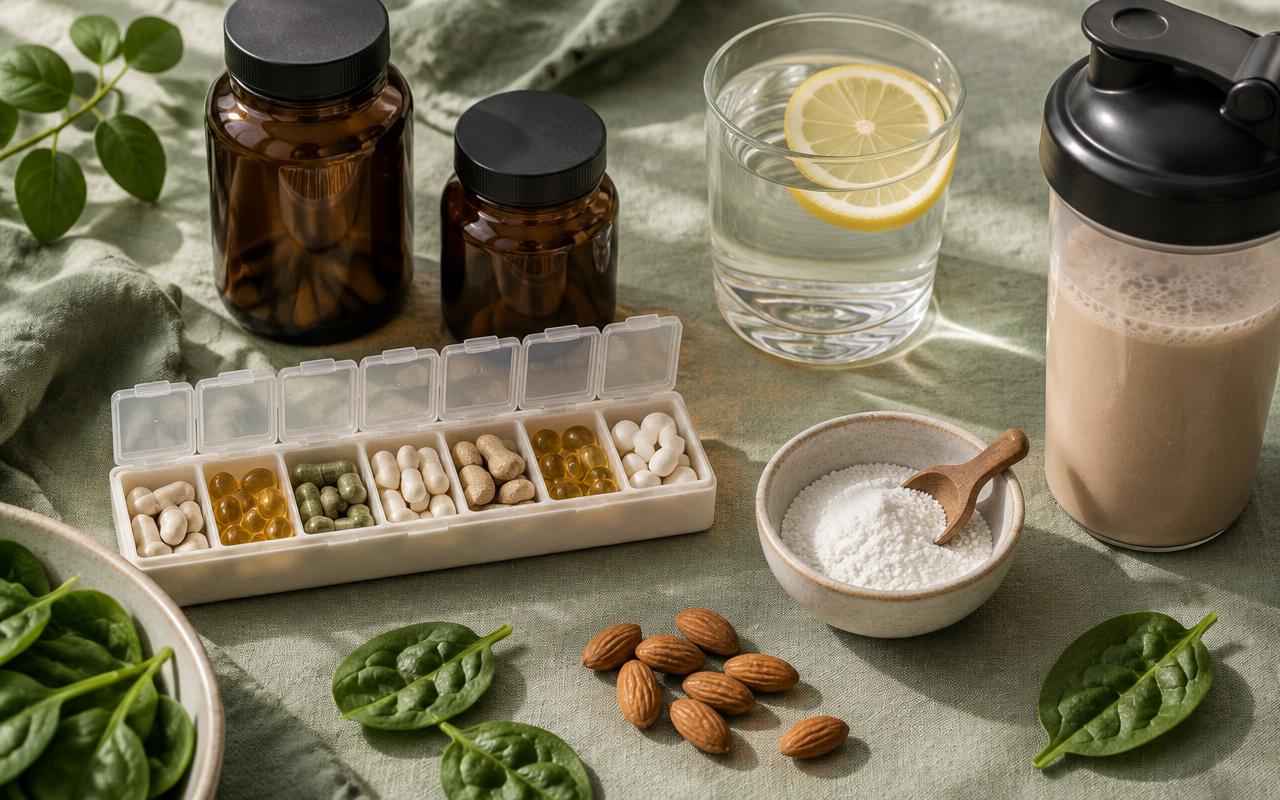
Supplements don't replace food, but on a GLP-1 they can fill the exact gaps that smaller meals create. Four stand out in the research as worth prioritizing.
Whey protein isolate is the single highest-leverage addition. It's fast-digesting, leucine-rich, and easy to consume when solid food feels like too much. One scoop after a workout (or as a between-meal feeding) can be the difference between hitting your protein target and falling short by 30 grams.
Creatine monohydrate (3–5g daily) is the most-studied performance supplement on earth and is increasingly recommended for adults losing weight. It supports strength, recovery, and cognitive function, and emerging evidence suggests it helps preserve muscle during a calorie deficit. It's safe, cheap, and you don't need to cycle it.
Magnesium glycinate supports recovery, sleep quality, and neuromuscular function — all of which keep you training consistently. Most adults eating less on a GLP-1 are no longer hitting the 320–420 mg daily target from food alone.
Electrolytes (sodium, potassium, magnesium) matter more than people expect. Lower food intake means lower sodium intake, which can leave you feeling fatigued, dizzy, and weak during workouts. A simple electrolyte mix in your water transforms training energy for many GLP-1 users.
- Whey isolate — 1–2 scoops per day to hit your protein target.
- Creatine monohydrate — 3–5g daily, taken any time.
- Magnesium glycinate — 300–400mg in the evening for recovery and sleep.
- Electrolytes — 1 serving in your water on training days at minimum.
- Optional: collagen peptides 10–20g/day for joints, skin, and connective tissue.
Recovery, sleep, and the hidden multiplier
Training and protein get all the attention, but recovery is where muscle is actually built. Sleep, in particular, is when growth hormone peaks and the bulk of muscle protein synthesis happens. If you're sleeping 5–6 broken hours a night, no amount of protein will fully protect your lean mass.
Aim for 7–9 hours of consistent sleep. Keep a regular sleep and wake time. Get bright light in your eyes within 30 minutes of waking, and dim the lights aggressively in the last hour before bed. Magnesium glycinate at night helps many people fall asleep faster and stay asleep longer.
Stress management matters too. Chronically elevated cortisol is catabolic — it actively breaks muscle down for fuel. A 10-minute daily walk outside, breath work, or anything that reliably calms your nervous system is a real lever, not a wellness cliché.
How to track whether it's working
The scale alone will lie to you on a GLP-1. You can lose 15 pounds and lose meaningful muscle along with it, and the number on the floor will look great. Track these instead — pick two or three and check monthly.
- Body composition: DEXA scan every 3–6 months is the gold standard. A smart scale is a reasonable proxy if you weigh at the same time, same conditions.
- Strength: log your top working sets for squat, hinge, press, and row. If the weights are going up or holding steady, you're keeping muscle.
- Tape measurements: waist, hips, thighs, arms. Shrinking waist with stable thigh/arm circumference is the goal.
- Energy and recovery: how you feel between workouts is a real signal. Consistently exhausted = under-eating protein, under-sleeping, or both.
Related guides
Medication guides mentioned in this article
Related tools
Supplements built for your GLP-1 journey
Formulated for the exact nutrient gaps GLP-1 medications create — protein, electrolytes, magnesium, digestive support, and more. Trusted by thousands staying strong, energetic, and healthy on Ozempic, Wegovy, Mounjaro, and Zepbound.
Continue reading
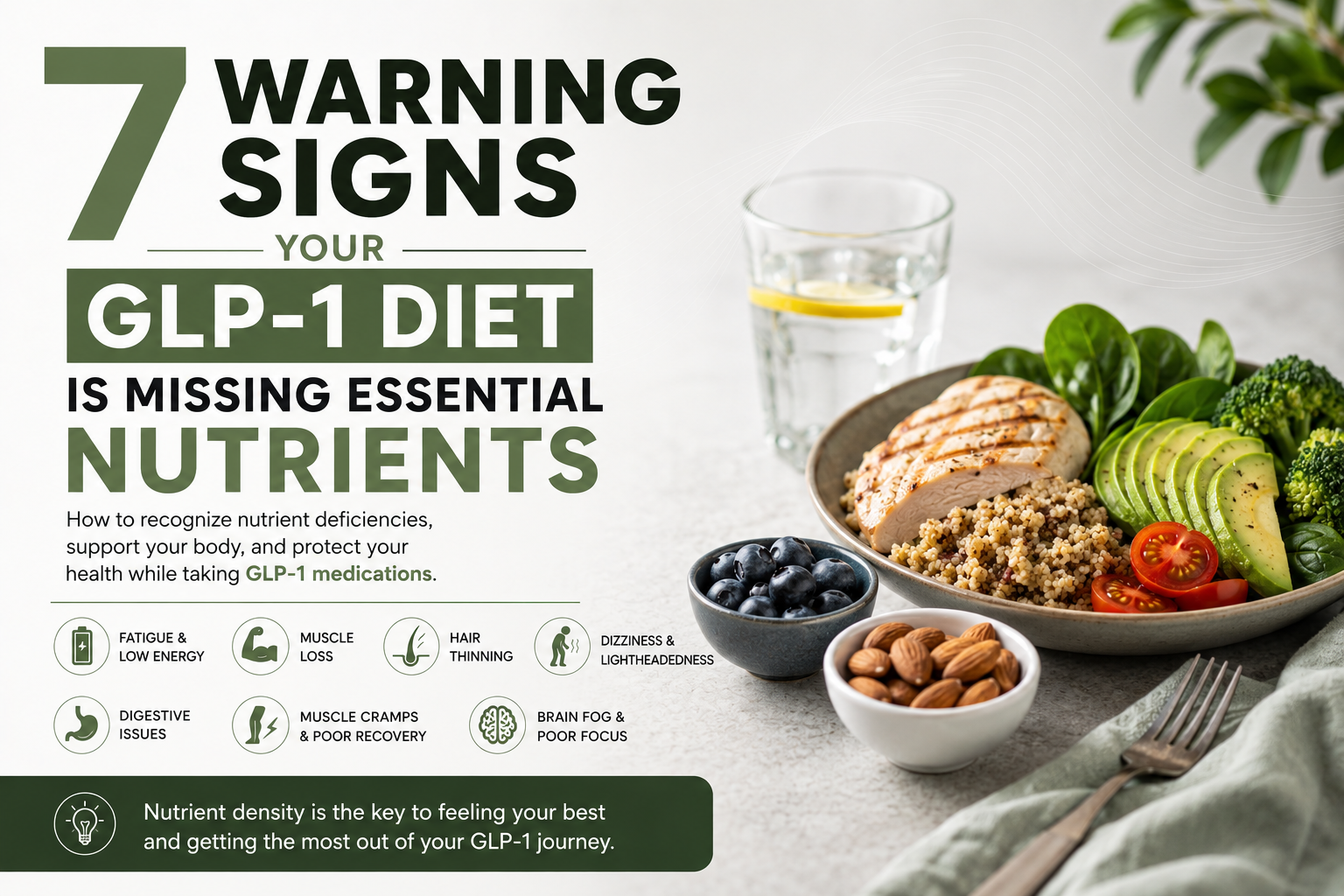
7 Warning Signs Your GLP-1 Diet Is Missing Essential Nutrients
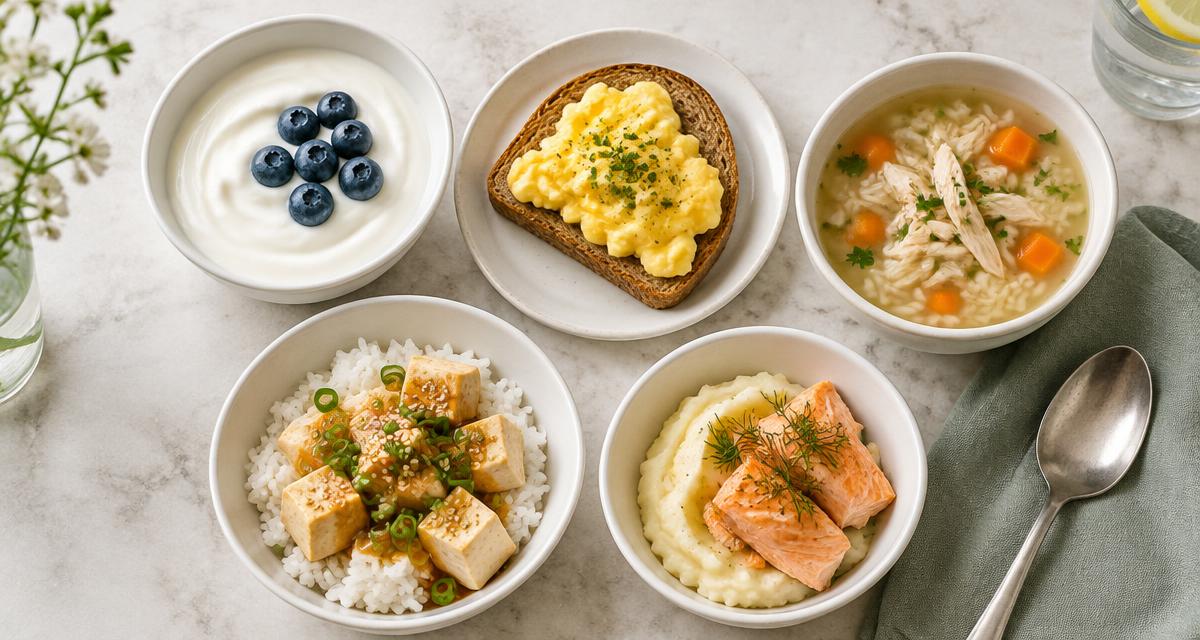
What to Eat When You're Not Hungry on GLP-1: 15 Small, Protein-Rich Meals
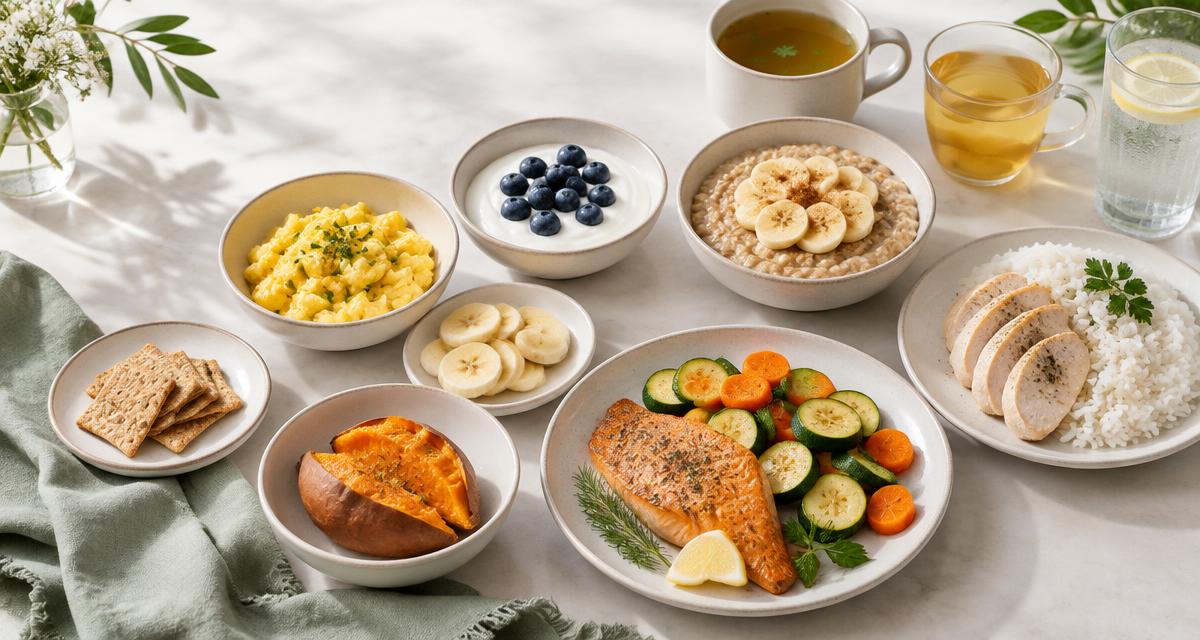
What to Eat on GLP-1 Medications: 25 Foods That Are Easy on Your Stomach
Best Vitamins to Take While on GLP-1: The 2026 Checklist