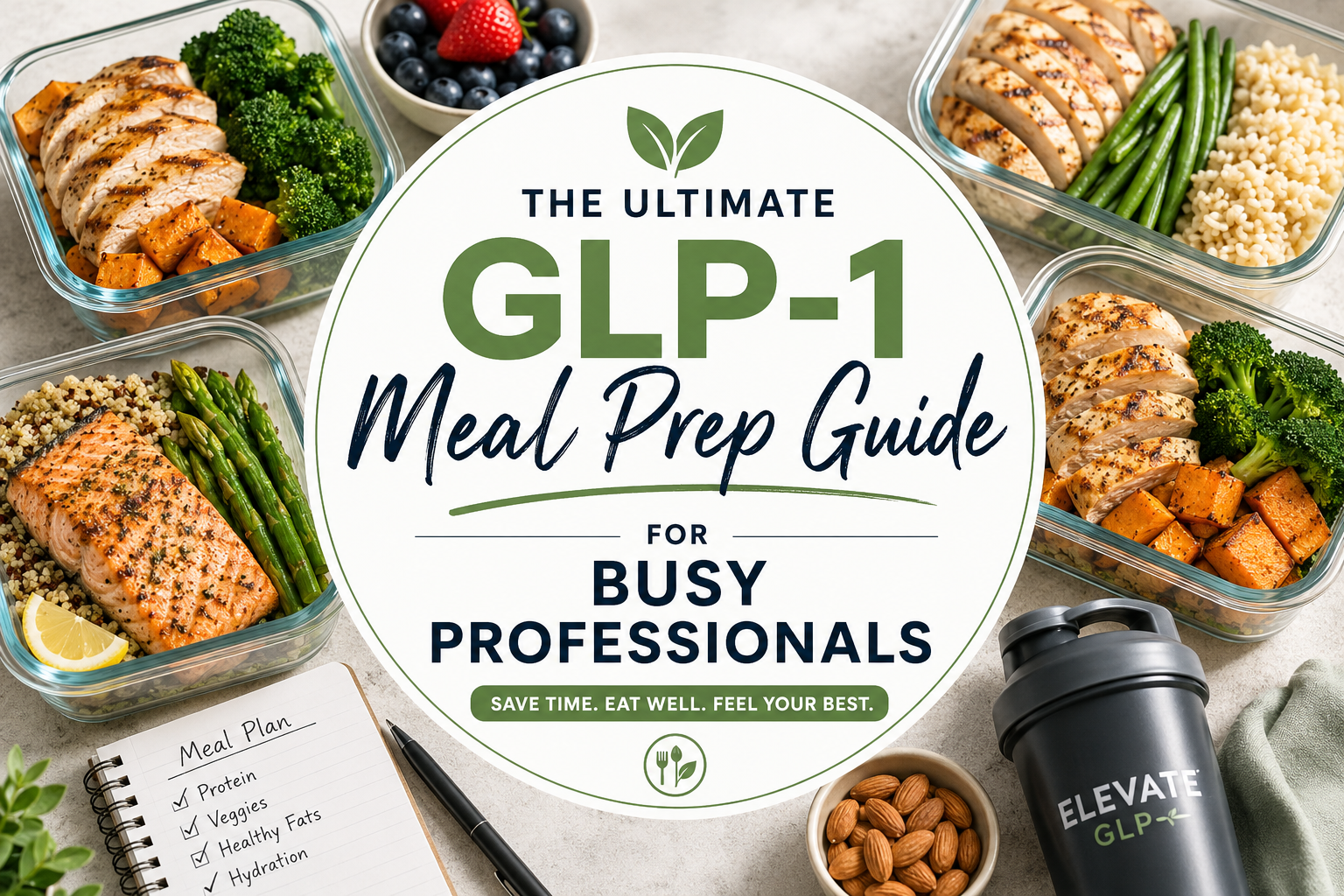
The Ultimate GLP-1 Meal Prep Guide for Busy Professionals
A weekly GLP-1 meal prep system for Ozempic, Wegovy, Mounjaro, and Zepbound — hit protein targets, stay hydrated, and protect muscle.
GLP-1 medications such as Ozempic, Wegovy, Zepbound, and Mounjaro have helped millions of people lose weight, improve blood sugar control, and develop healthier lifestyles. These medications work by slowing gastric emptying, reducing appetite, increasing feelings of fullness, and helping individuals consume fewer calories. While these benefits can lead to significant weight loss, they also create a unique nutritional challenge — especially for busy professionals.
Many people on GLP-1 medications quickly discover that eating becomes less of a priority. Meals get skipped, protein intake drops, hydration suffers, and nutrient gaps can develop over time. Professionals with demanding schedules often rely on coffee, protein bars, quick snacks, or whatever food is available between meetings. That approach can limit results, increase fatigue, contribute to muscle loss, and make long-term success harder.
Meal preparation is one of the most effective strategies for overcoming these challenges. By dedicating a few hours each week to planning and preparing nutritious meals, GLP-1 users can maintain consistent protein intake, support lean muscle, improve energy, reduce digestive discomfort, and make healthier choices even during the busiest workdays.
Why nutrition matters more than ever on GLP-1 medications
One of the biggest misconceptions about GLP-1 medications is that eating less automatically means healthier weight loss. Reducing calorie intake can drive weight reduction, but the quality of those calories matters tremendously. Many individuals taking GLP-1 medications consume significantly fewer calories than before — sometimes without realizing it.
When food intake drops dramatically, several issues can arise: loss of lean muscle, fatigue, hair thinning, nutrient gaps, poor workout recovery, constipation, a slower metabolic rate, and reduced strength. Because GLP-1 medications reduce hunger, your body may not naturally signal when it needs nutrients. Intentional meal planning becomes essential.
Why busy professionals struggle with nutrition
Professionals face unique obstacles: long hours, frequent meetings, business travel, client lunches, irregular schedules, family obligations, decision fatigue, and limited cooking time. When schedules get hectic, convenience often wins over nutrition.
- Fast food and drive-throughs
- Vending machine snacks
- Sugary coffee drinks
- Processed convenience foods
- Skipping meals entirely
The four pillars of a successful GLP-1 meal prep plan
1. Prioritize protein above everything else. Protein is the most important nutrient for GLP-1 users — it preserves lean muscle, supports metabolism, improves recovery, increases satiety, stabilizes blood sugar, and supports healthy hair and skin. General targets: women 80–120 g daily, men 100–150 g daily, with active individuals often needing more.
2. Focus on nutrient density. Since calories are lower overall, every meal should deliver maximum nutritional value — eggs, chicken, turkey, salmon, tuna, Greek yogurt, cottage cheese, leafy greens, berries, sweet potatoes, avocados, beans, nuts, and seeds.
3. Stay hydrated. Aim for 80–120 ounces of water daily, with extra fluids during exercise and electrolyte support as needed. Many GLP-1 side effects — headaches, constipation, dizziness, brain fog, fatigue — are worsened by dehydration.
4. Keep meals simple. The best meal prep systems are simple enough to maintain for months. Repeat successful meals, rotate proteins weekly, use similar ingredients, and minimize complexity. Consistency beats variety.
The ideal GLP-1 plate
Every meal should contain four key components: a lean protein, vegetables, a smart carbohydrate, and a healthy fat. This balanced structure supports sustainable weight loss while ensuring adequate nutrition.
- Lean protein: chicken, turkey, fish, shrimp, lean beef, eggs, Greek yogurt, protein shakes
- Vegetables: broccoli, spinach, asparagus, Brussels sprouts, green beans, bell peppers, cauliflower
- Smart carbs: sweet potatoes, brown rice, quinoa, oats, lentils, black beans
- Healthy fats: avocado, olive oil, nuts, seeds, nut butters
The ultimate Sunday meal prep strategy
Many successful professionals dedicate two to three hours each weekend to preparing meals. Build a weekly menu with two proteins, two vegetables, one carbohydrate, one breakfast, and two snacks. Limited choices simplify shopping and prep.
Batch cook proteins (for example, 3 lbs chicken breast, 2 lbs ground turkey, 12 hard-boiled eggs) and store portions in airtight containers. Roast large trays of vegetables. Cook a big batch of brown rice, quinoa, or sweet potatoes. Then assemble complete, grab-and-go meals for the week.
Five high-protein breakfast meal prep ideas
- Protein overnight oats — oats, protein powder, Greek yogurt, chia seeds, berries
- Egg muffin cups — eggs, spinach, turkey sausage, peppers (freezer friendly)
- Greek yogurt protein bowl — Greek yogurt, blueberries, almonds, chia seeds
- Cottage cheese breakfast bowl — cottage cheese, strawberries, walnuts
- Protein smoothie packs — freezer bags with berries, spinach, and protein powder
Five high-protein lunch ideas
- Grilled chicken power bowl — chicken breast, brown rice, broccoli, olive oil
- Mediterranean bowl — chicken, cucumbers, tomatoes, feta, olive oil
- Turkey taco bowl — lean turkey, black beans, salsa, cauliflower rice
- Salmon rice bowl — salmon, quinoa, vegetables
- Steak and vegetable bowl — lean steak, roasted vegetables, sweet potatoes
Five dinner meal prep ideas
- Herb-roasted chicken — simple, versatile, high in protein
- Salmon with asparagus — protein plus omega-3 fatty acids
- Turkey stir fry — quick and easy for busy evenings
- Shrimp and vegetables — light yet filling
- Lean beef and sweet potatoes — excellent for active professionals focused on preserving muscle
Best snacks for GLP-1 users
- Hard-boiled eggs — 6 g protein each
- Greek yogurt — 15–20 g protein
- Cottage cheese — 20–25 g protein
- Protein shakes — 20–30 g protein
- Turkey roll-ups — high protein and portable
- Beef jerky — convenient travel option
- Almonds — healthy fats and key nutrients
Meal prep for remote workers and frequent travelers
Remote workers often snack excessively, skip meals, or graze all day. Pre-portion meals, schedule eating times, keep protein visible, and limit processed snacks. Treat home nutrition with the same structure as an office environment.
For travel, pack protein powder, a shaker bottle, protein bars, electrolytes, beef jerky, nuts, and tuna packets. At restaurants, prioritize grilled proteins, vegetables, salads, and healthy fats rather than relying on airport or hotel snacks.
Managing common GLP-1 side effects through nutrition
- Nausea: crackers, rice, lean proteins, and bananas; avoid fried foods, heavy meals, and excessive sugar
- Constipation: increase fiber, water, vegetables, and fruits
- Fatigue: focus on protein, hydration, electrolytes, and sleep quality
- Muscle loss: increase protein intake, add resistance training, and prioritize recovery nutrition
Supplements that complement a GLP-1 meal prep plan
Even the best nutrition plan can leave gaps. Many GLP-1 users benefit from targeted supplementation alongside meal prep.
- Protein isolate — supports muscle preservation and recovery
- Collagen peptides — supports hair, skin, nails, and joint health
- Digestive enzymes — help support digestion and comfort
- Probiotics — promote gut health and regularity
- Magnesium glycinate — supports sleep, recovery, and relaxation
- Greens formula — provides additional micronutrients
- Daily multivitamin — helps fill gaps from reduced food intake
- Hydration support — electrolytes can improve hydration and energy
Sample full-day meal prep plan (~165 g protein)
- Breakfast — protein overnight oats (~30 g protein)
- Morning snack — Greek yogurt (~20 g protein)
- Lunch — chicken power bowl (~35 g protein)
- Afternoon snack — protein shake (~25 g protein)
- Dinner — salmon with vegetables (~35 g protein)
- Evening snack — cottage cheese (~20 g protein)
Common meal prep mistakes that limit results
- Not eating enough protein — the most common mistake among GLP-1 users
- Skipping meals — appetite suppression doesn't eliminate nutritional needs
- Forgetting hydration — water is essential for every metabolic process
- Overcomplicating the plan — simple systems are easier to maintain
- Failing to track intake — many users unintentionally underconsume calories and nutrients
- Ignoring resistance training — weight loss should focus on preserving muscle while reducing fat
Frequently asked questions
How much protein should I eat on Ozempic, Wegovy, or Mounjaro? Most adults do well with 80–150 g per day — closer to 1 g per pound of goal body weight if you're active or focused on preserving muscle.
How many calories should I aim for? There isn't one answer — work with your prescriber or dietitian. The bigger priority is hitting protein, fiber, and hydration targets within whatever calorie range fits your plan.
How long can I keep prepped meals in the fridge? Most cooked proteins and grains stay good for 3–4 days refrigerated. For longer storage, portion and freeze.
What if I'm not hungry enough to finish a meal? Lead with the protein first, then vegetables, then carbs. A protein shake or Greek yogurt can fill the gap on low-appetite days.
Related guides
Medication guides mentioned in this article
Related tools
Supplements built for your GLP-1 journey
Formulated for the exact nutrient gaps GLP-1 medications create — protein, electrolytes, magnesium, digestive support, and more. Trusted by thousands staying strong, energetic, and healthy on Ozempic, Wegovy, Mounjaro, and Zepbound.
Continue reading
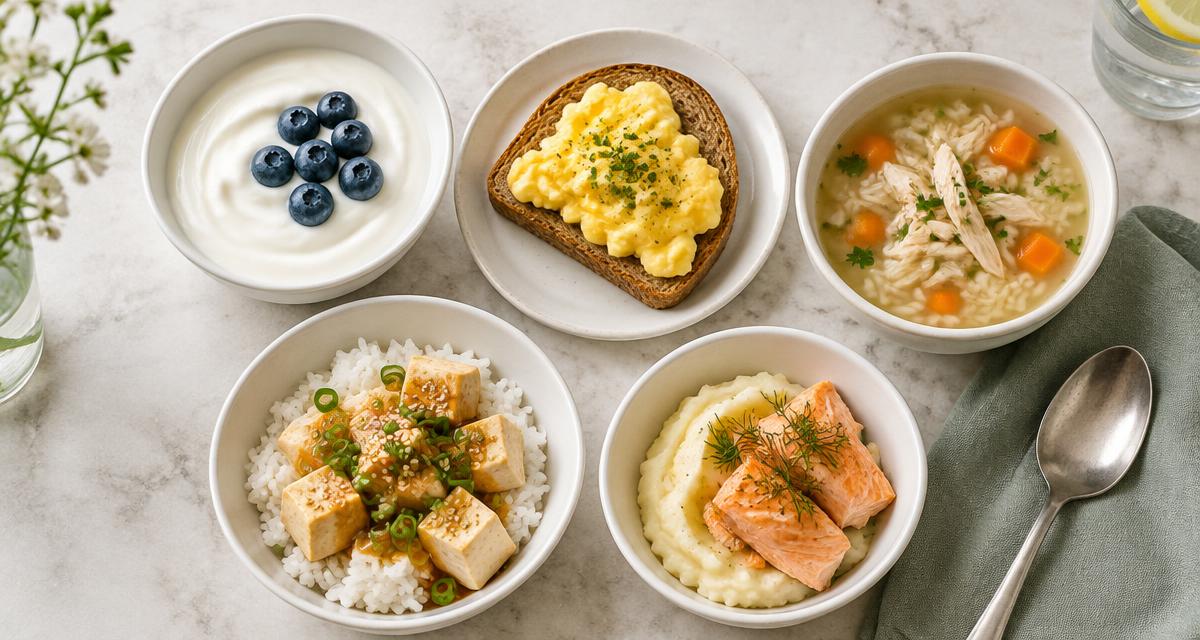
What to Eat When You're Not Hungry on GLP-1: 15 Small, Protein-Rich Meals
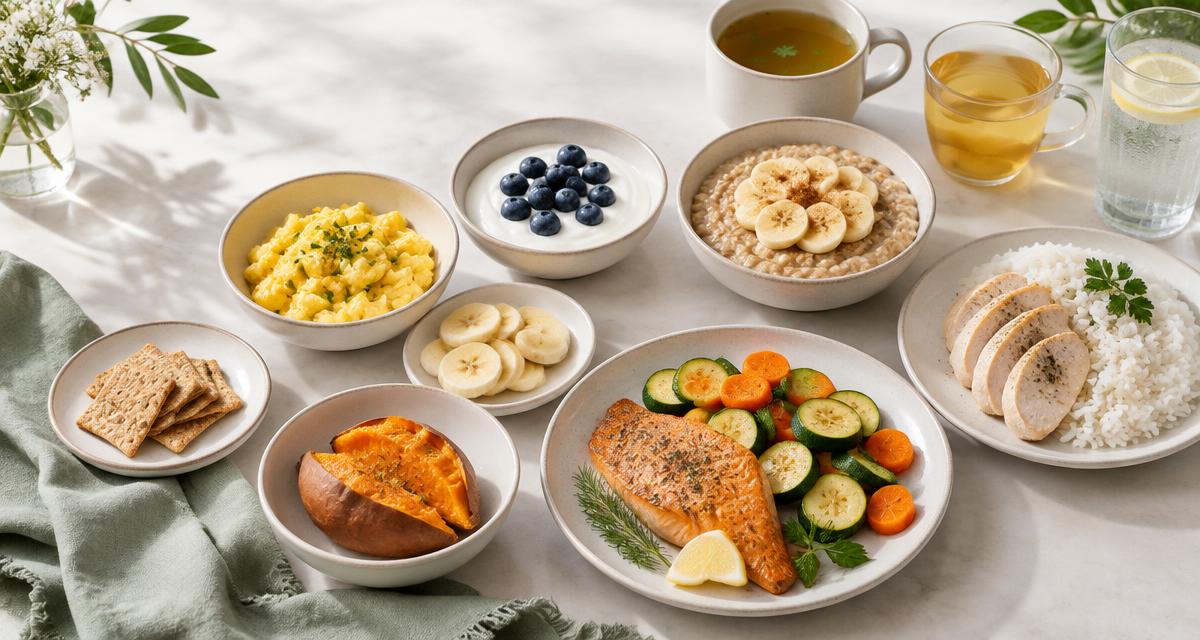
What to Eat on GLP-1 Medications: 25 Foods That Are Easy on Your Stomach
The Best Multivitamin for GLP-1 Users: What to Look For (and What to Skip)
Creatine on a GLP-1: Does It Protect Muscle? (Dose & Timing)