
The Most Common Vitamin Deficiencies in People Taking GLP-1s
The most common vitamin and mineral gaps on GLP-1 medications, their warning signs, and how to support your nutrition while eating less.
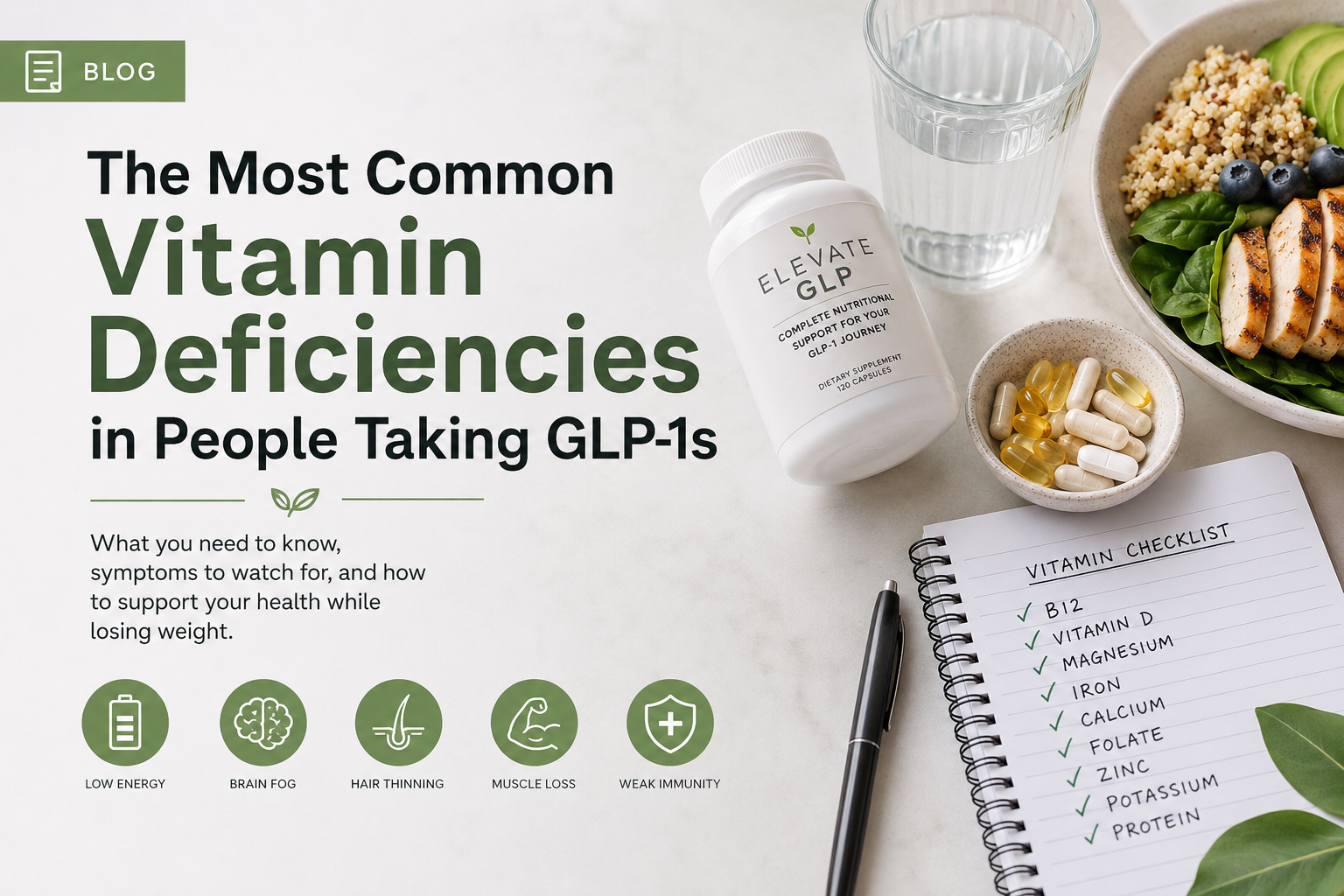
GLP-1 medications such as Ozempic®, Wegovy®, Mounjaro®, and Zepbound® have helped millions of people lose weight, improve blood sugar control, and build healthier lifestyles. For many individuals, the results can be life-changing.
However, there is an important topic that often receives far less attention than weight loss itself: nutritional deficiencies. While GLP-1 medications do not directly cause vitamin deficiencies, the dramatic reduction in appetite they create can significantly lower overall food intake. When people eat less food, they often consume fewer vitamins, minerals, amino acids, and other nutrients essential for optimal health.
Over time, these nutritional gaps can affect energy levels, muscle retention, digestion, immunity, recovery, sleep quality, cognitive performance, hair growth, and overall well-being. Understanding the most common vitamin deficiencies associated with reduced food intake on GLP-1 medications can help you stay healthy, protect your metabolism, and maximize your long-term results.
Why nutrient deficiencies can occur on GLP-1 medications
GLP-1 receptor agonists work by mimicking naturally occurring hormones that regulate hunger, digestion, and blood sugar. These medications help users feel fuller faster and remain satisfied longer after meals. As a result, many people experience reduced appetite, smaller portion sizes, less snacking, delayed stomach emptying, and lower overall calorie intake.
These effects are beneficial for weight loss, but they can create nutritional challenges. For example, a person who previously consumed 2,500 to 3,000 calories daily may suddenly find themselves eating 1,200 to 1,500 calories or less. While calorie reduction can help facilitate fat loss, nutrient requirements do not decrease at the same rate. Your body still needs adequate amounts of vitamins, minerals, protein, essential fatty acids, electrolytes, amino acids, and fiber — even when consuming significantly fewer calories.
Unfortunately, many GLP-1 users become highly focused on reducing calories and unintentionally overlook nutritional quality. Some individuals replace meals with coffee, small snacks, protein bars, or convenience foods that may support calorie goals but often fail to provide comprehensive nutrition.
Why rapid weight loss increases nutritional risk
Rapid weight loss places additional demands on the body. As body fat decreases and metabolism adapts, your body requires sufficient nutrients to maintain lean muscle mass, bone density, hormone production, immune function, skin health, hair growth, nervous system function, and physical performance.
Over time, deficiencies can develop and impact overall health. Many people mistakenly assume that fatigue, weakness, dizziness, hair thinning, muscle cramps, or brain fog are simply normal side effects of weight loss. In reality, these symptoms may indicate that the body is no longer receiving adequate nutrition.
Vitamin B12 deficiency
Vitamin B12 is one of the most common deficiencies discussed among people taking GLP-1 medications. B12 plays a critical role in energy production, brain function, nervous system health, red blood cell formation, DNA synthesis, and cognitive performance. Many GLP-1 users consume less meat, fish, eggs, and dairy because of reduced appetite, leading to lower B12 intake.
Common symptoms include fatigue, weakness, brain fog, poor concentration, memory problems, tingling in hands and feet, dizziness, mood changes, and reduced exercise performance. Because these symptoms can develop gradually, many people do not recognize them as signs of deficiency. Untreated B12 deficiency can negatively affect nerve function, mental clarity, physical endurance, and red blood cell production.
- Best food sources: beef, chicken, turkey, salmon, tuna, eggs, milk, yogurt, cottage cheese.
Vitamin D deficiency
Vitamin D deficiency is one of the most widespread nutritional deficiencies in America. Even in sunny states, low vitamin D levels remain surprisingly common. Vitamin D supports immune health, bone strength, muscle function, hormone balance, mood regulation, and recovery from exercise. Reduced food intake often means lower vitamin D intake as well.
Signs may include chronic fatigue, muscle weakness, frequent illness, joint discomfort, low mood, slow recovery, and reduced physical performance. Vitamin D is especially important during periods of significant weight loss because it supports both bone and muscle health. Maintaining adequate levels may help preserve physical function and overall wellness throughout the weight loss process.
- Sources: fatty fish, egg yolks, fortified dairy products, fortified plant milks, safe sun exposure, vitamin D supplements.
Magnesium deficiency
Magnesium is involved in more than 300 biochemical processes throughout the body. Yet many Americans fail to consume adequate amounts daily. Since appetite suppression often reduces consumption of nuts, seeds, vegetables, and whole foods, GLP-1 users may be at increased risk. Magnesium supports sleep quality, muscle recovery, stress management, energy production, blood sugar regulation, heart health, and nervous system function.
Common symptoms include muscle cramps, poor sleep, anxiety, headaches, fatigue, muscle twitching, weakness, and increased stress levels. Many healthcare professionals recommend magnesium glycinate due to its excellent absorption and digestive tolerance.
- Best sources: pumpkin seeds, almonds, cashews, spinach, avocados, black beans, dark chocolate.
Iron deficiency
Iron deficiency is particularly common among women and individuals who consume limited amounts of red meat. Iron is essential for transporting oxygen throughout the body and supporting energy production. Common warning signs include extreme fatigue, weakness, dizziness, pale skin, shortness of breath, poor workout performance, headaches, and cold hands and feet. Many people attribute these symptoms to dieting when low iron levels may actually be contributing.
- Iron-rich foods: lean beef, turkey, chicken, shellfish, lentils, beans, spinach, fortified cereals.
Calcium deficiency
Calcium remains one of the most important nutrients for maintaining strong bones and healthy muscle function. Rapid weight loss can increase concerns regarding bone density preservation, particularly in older adults. Calcium helps support bone health, teeth strength, muscle contractions, nerve signaling, and heart function. Potential symptoms include muscle cramps, weak nails, tingling sensations, bone weakness, and increased fracture risk.
- Calcium-rich foods: Greek yogurt, milk, cheese, cottage cheese, sardines, kale, fortified beverages.
Folate deficiency
Folate, also known as Vitamin B9, is essential for cellular growth and repair. People who consume fewer vegetables and legumes may struggle to obtain adequate amounts. Symptoms may include fatigue, weakness, poor concentration, irrititability, headaches, and reduced energy.
- Foods rich in folate: spinach, kale, lentils, asparagus, Brussels sprouts, avocados, beans.
Zinc deficiency
Zinc plays a major role in immune health, hormone production, wound healing, hair growth, and skin health. Because zinc-rich foods are often protein-rich foods, reduced protein intake can significantly impact zinc levels. Potential symptoms include hair thinning, frequent illness, poor wound healing, dry skin, low energy, reduced appetite, and changes in taste perception.
- Best sources of zinc: beef, oysters, chicken, pumpkin seeds, cashews, lentils.
Potassium deficiency
Potassium is a mineral rather than a vitamin, but it deserves special attention because many GLP-1 users unknowingly consume too little. Potassium supports hydration, blood pressure regulation, muscle contractions, heart rhythm, and nervous system function. Potential warning signs include fatigue, muscle weakness, muscle cramps, constipation, heart palpitations, and reduced exercise performance.
- Potassium-rich foods: bananas, sweet potatoes, potatoes, avocados, coconut water, white beans, spinach.
Protein deficiency: the hidden problem behind many nutritional issues
While protein is not technically a vitamin, it may be the most important nutrient for individuals taking GLP-1 medications. Many users consume far less protein than recommended because they simply are not hungry enough to eat sufficient amounts. Protein supports muscle preservation, metabolism, recovery, hormone production, immune function, and hair growth.
Insufficient protein intake may contribute to muscle loss, fatigue, weakness, hair thinning, slower metabolism, and poor workout recovery. Many vitamin and mineral deficiencies occur alongside inadequate protein intake because protein-rich foods often contain important nutrients like zinc, iron, B12, and calcium.
Hair loss and nutrient deficiencies on GLP-1 medications
Hair thinning is one of the most frequently reported concerns among individuals experiencing rapid weight loss. Although temporary shedding can occur naturally during significant weight reduction, nutritional deficiencies often worsen the problem. Common nutritional contributors include protein deficiency, zinc deficiency, iron deficiency, vitamin D deficiency, and folate deficiency.
Hair follicles require substantial nutritional support to function properly. When nutrients become scarce, the body prioritizes essential organs and systems over hair growth.
Muscle loss and nutrient deficiencies
One of the biggest concerns associated with rapid weight loss is the loss of lean muscle tissue. Research suggests that a meaningful percentage of weight lost on GLP-1 medications can come from muscle mass if adequate protein intake and resistance training are not prioritized. Muscle loss can lead to reduced metabolism, lower strength levels, increased fatigue, slower recovery, and poor long-term weight maintenance. Proper nutrition plays a critical role in preserving lean muscle throughout the weight loss journey.
Who is most at risk for nutrient deficiencies?
Certain individuals may face a higher risk of deficiencies while taking GLP-1 medications. These groups include women, adults over age 50, vegetarians, vegans, individuals losing weight rapidly, long-term GLP-1 users, people consuming less than 1,200 calories daily, individuals with digestive disorders, and older adults with declining muscle mass. The greater the reduction in food intake, the more important nutritional planning becomes.
How to prevent vitamin deficiencies while taking GLP-1s
The most successful GLP-1 users understand that nutrition becomes even more important when eating less. Every meal should provide meaningful nutritional value, especially when calories are limited.
- Prioritize protein at every meal — examples include eggs, Greek yogurt, lean meats, fish, cottage cheese, and protein shakes.
- Focus on nutrient-dense foods that provide maximum nutritional value per calorie: vegetables, fruits, lean proteins, nuts, seeds, legumes, and dairy products.
- Stay hydrated — hydration affects energy levels, digestion, recovery, nutrient transport, and appetite regulation. Many symptoms often blamed on deficiencies are worsened by dehydration.
- Consider strategic supplementation to complement a healthy diet: daily multivitamins, vitamin D, magnesium glycinate, electrolytes, protein powder, probiotics, and collagen peptides. Supplements should complement a healthy diet rather than replace one.
- Monitor blood work regularly — routine blood testing can help identify deficiencies before symptoms become severe. Consider discussing vitamin B12, vitamin D, iron, ferritin, folate, complete blood count, and comprehensive metabolic panel with your healthcare provider.
Support your GLP-1 journey with Elevate GLP
Losing weight with GLP-1 medications is only part of the equation. Long-term success depends on maintaining proper nutrition while your appetite is reduced. At Elevate GLP, we created a complete supplement system specifically for individuals taking GLP-1 medications. Our mission is to help you maintain optimal nutrition, preserve lean muscle, support healthy digestion, stay hydrated, and feel your best throughout your transformation.
Many GLP-1 users struggle to consume enough protein, vitamins, minerals, and hydration-supporting nutrients due to reduced food intake. That's why Elevate GLP offers targeted nutritional solutions designed to address the most common challenges associated with smaller appetites. Our premium supplement lineup supports protein intake and muscle preservation, daily vitamin and mineral nutrition, digestive health and gut support, hydration and electrolyte balance, hair, skin, and nail health, recovery and overall wellness, healthy energy levels, and long-term nutritional support.
Popular Elevate GLP supplements include Protein Isolate, Daily Multivitamin, Magnesium Glycinate, Digestive Enzymes, Probiotic, Hydration+, Collagen Peptides, Greens Formula, Hair Support, and the Complete Transformation Protocol. Whether you are just beginning your GLP-1 journey or looking to optimize your results, Elevate GLP provides science-backed nutritional support designed specifically for your unique needs.
Final thoughts
GLP-1 medications can be powerful tools for improving health, managing obesity, and achieving sustainable weight loss. However, reduced appetite and lower food intake can increase the risk of deficiencies in vitamin B12, vitamin D, magnesium, iron, calcium, folate, zinc, potassium, and other essential nutrients.
By prioritizing protein, consuming nutrient-dense foods, staying hydrated, monitoring blood work, and addressing deficiencies early, you can support energy levels, preserve muscle mass, improve recovery, maintain healthy hair and skin, and maximize the benefits of your GLP-1 medication. Weight loss is important, but protecting your nutrition, muscle mass, and long-term health is what ultimately leads to lasting success.
Related guides
Medication guides mentioned in this article
Related tools
Supplements built for your GLP-1 journey
Formulated for the exact nutrient gaps GLP-1 medications create — protein, electrolytes, magnesium, digestive support, and more. Trusted by thousands staying strong, energetic, and healthy on Ozempic, Wegovy, Mounjaro, and Zepbound.
Continue reading
The Best Multivitamin for GLP-1 Users: What to Look For (and What to Skip)

What to Eat When You're Not Hungry on GLP-1: 15 Small, Protein-Rich Meals
What to Eat on GLP-1 Medications: 25 Foods That Are Easy on Your Stomach

GLP-1 Constipation: Causes and the Best Supplements to Take