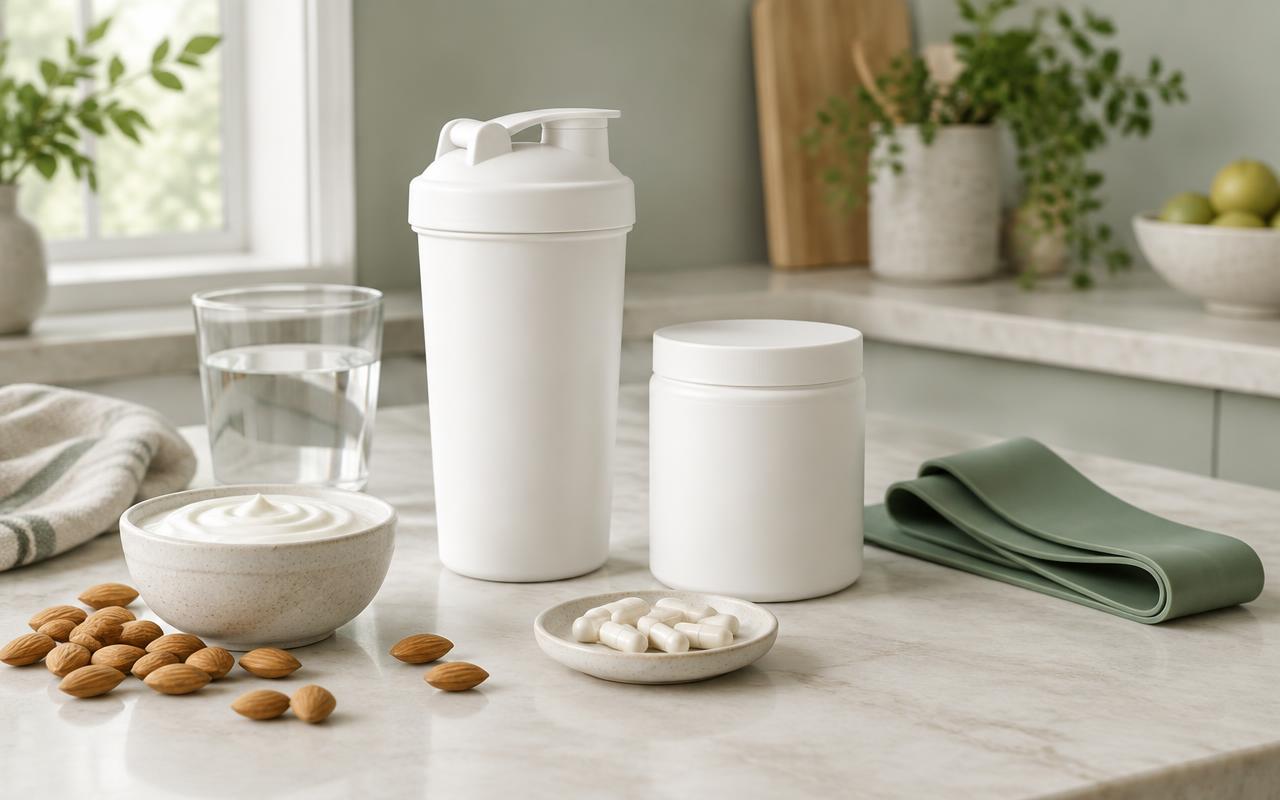
GLP-1 Constipation: Causes and the Best Supplements to Take
Why GLP-1 medications cause constipation and the best supplements, foods, and habits to get regular again on Ozempic, Wegovy, Mounjaro, or Zepbound.

Constipation is one of the most common — and most frustrating — side effects of GLP-1 medications like Ozempic®, Wegovy®, Mounjaro®, and Zepbound®. It can show up in the first weeks of treatment, after a dose increase, or quietly build over months as appetite stays low. The good news: it is almost always manageable with the right combination of hydration, fiber, magnesium, and a few targeted supplements.
This guide breaks down exactly why GLP-1 medications slow your digestion, the warning signs to take seriously, and the supplements, foods, and daily habits that get most people regular again — without harsh laxatives.
Why GLP-1 medications cause constipation
GLP-1 receptor agonists work in part by slowing gastric emptying — food sits in your stomach longer, which keeps you full and reduces appetite. That same slowdown extends into the small and large intestine, where transit time gets longer, water is absorbed out of the stool, and bowel movements become harder, drier, and less frequent.
At the same time, most people on a GLP-1 are eating substantially less. Less food means less fiber, less fluid from food, and less of the natural bulk that keeps things moving. Add reduced thirst, fewer electrolytes, and often less daily movement, and constipation becomes almost predictable.
Common signs of GLP-1 constipation
- Fewer than three bowel movements per week
- Hard, dry, or pellet-like stools
- Straining or a feeling of incomplete evacuation
- Bloating, gas, or abdominal discomfort
- Lower appetite than usual, even for a GLP-1
- Nausea that worsens when you have not gone in days
The best supplements for GLP-1 constipation
Most GLP-1 users get significant relief from a simple stack: magnesium, soluble fiber, electrolytes, and a quality probiotic — supported by enough water and protein. Each plays a distinct role.
1. Magnesium glycinate (and magnesium citrate)
Magnesium is the single most useful supplement for GLP-1 constipation. It draws water into the intestine, relaxes intestinal muscles, and supports a normal, comfortable bowel rhythm. Magnesium glycinate is gentle and well tolerated, ideal for daily use and better sleep. Magnesium citrate has a stronger laxative effect and can be helpful on days you feel especially backed up.
Many GLP-1 users are already low in magnesium because intake drops with overall food volume. Restoring magnesium often resolves constipation, leg cramps, and poor sleep at the same time.
2. Soluble fiber (psyllium, acacia, partially hydrolyzed guar gum)
Soluble fiber absorbs water and forms a soft gel that bulks stool and eases its passage. Psyllium husk is the most studied, but acacia fiber and partially hydrolyzed guar gum are gentler on a sensitive GLP-1 gut and less likely to cause bloating. Start with a small dose (3–5 g) and increase slowly, always with a full glass of water.
3. Electrolytes
Sodium, potassium, and magnesium all influence how well your colon moves water. GLP-1 users often drink less and sweat out electrolytes without replacing them, which dries out stool. A daily electrolyte drink — low or no sugar — supports hydration, energy, and regularity together.
4. Probiotics
A well-formulated probiotic (look for strains like Bifidobacterium lactis HN019, B. lactis BB-12, and Lactobacillus plantarum) has been shown in studies to improve stool frequency and reduce transit time. Probiotics also support the mild bloating and gas many GLP-1 users experience.
5. Digestive enzymes
When food sits in the stomach longer, larger meals can feel heavy and incomplete digestion can contribute to bloating. A broad-spectrum digestive enzyme taken with your biggest meal can ease that feeling and help downstream motility.
6. Omega-3s
Omega-3 fatty acids support a healthy gut lining and reduce low-grade intestinal inflammation that can worsen constipation. They also help with skin, hair, and mood — all common concerns during rapid weight loss.
Foods that help GLP-1 constipation
- Kiwi (2 per day is well studied for constipation relief)
- Prunes or prune juice
- Chia seeds and ground flaxseed
- Berries, pears, and apples with the skin
- Leafy greens and cooked vegetables
- Oats and overnight oats
- Beans, lentils, and edamame (as tolerated)
- Plenty of water — aim for half your body weight in ounces
Daily habits that get you regular again
- Hydrate first thing in the morning — 16–20 oz of water before coffee
- Walk 10–20 minutes after meals to stimulate motility
- Eat protein and fiber at every meal, even small ones
- Take magnesium glycinate in the evening
- Add an electrolyte drink mid-day
- Limit ultra-processed snacks that crowd out fiber
- Give your body a consistent bathroom window each morning
When to talk to your provider
Mild, occasional constipation is normal on a GLP-1 and usually responds quickly to the steps above. Contact your prescriber if you go more than a week without a bowel movement, develop severe abdominal pain, vomiting, blood in the stool, or symptoms of a bowel obstruction. These are uncommon but require prompt evaluation.
How Elevate GLP supports digestive comfort
Elevate GLP formulas are designed for the exact gaps GLP-1 medications create. Our Magnesium Glycinate, electrolyte support, fiber blends, probiotics, and digestive enzymes work together to keep you regular, comfortable, and on track with your weight loss goals — without harsh laxatives or guesswork.
Frequently asked questions
Q: How long does GLP-1 constipation last? For most people it improves within 1–2 weeks of consistent hydration, fiber, and magnesium. It can flare again after a dose increase.
Q: Is magnesium safe to take daily on Ozempic, Wegovy, Mounjaro, or Zepbound? Yes — magnesium glycinate at typical doses (200–400 mg) is safe for most adults and is commonly recommended alongside GLP-1 therapy. Check with your provider if you have kidney disease.
Q: Should I take fiber if I am barely eating? Yes, but start low and go slow. A small daily dose of soluble fiber with plenty of water is usually better tolerated than waiting until you are severely backed up.
Q: Can I just use a laxative? Stimulant laxatives can help short-term but are not a long-term solution. Magnesium, fiber, hydration, and movement address the root cause.
Related guides
Medication guides mentioned in this article
Related tools
Supplements built for your GLP-1 journey
Formulated for the exact nutrient gaps GLP-1 medications create — protein, electrolytes, magnesium, digestive support, and more. Trusted by thousands staying strong, energetic, and healthy on Ozempic, Wegovy, Mounjaro, and Zepbound.
Continue reading
Does Mounjaro Cause Constipation? Why It Happens and How to Fix It Fast
Does Zepbound Cause Constipation? Why It Happens + 9 Proven Fixes

Can You Drink Alcohol on Ozempic, Wegovy, or Mounjaro? (2026 Guide)
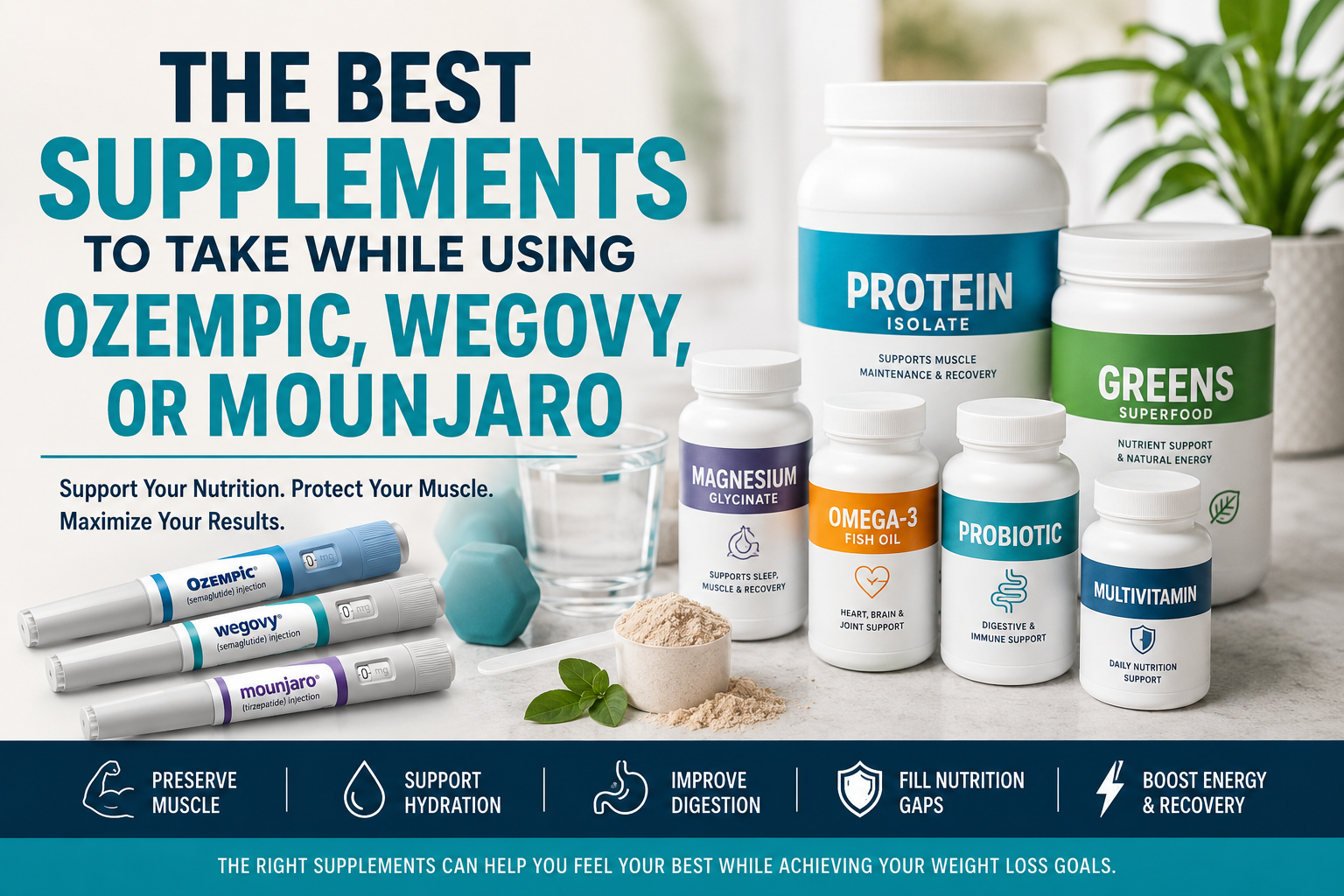
The Best Supplements to Take While Using Ozempic, Wegovy, or Mounjaro