
What to Eat on GLP-1 Medications: 25 Foods That Are Easy on Your Stomach
A practical list of 25 gentle, protein-forward foods for GLP-1 users, plus meal timing, symptom-specific swaps, a sample day, and foods to limit.
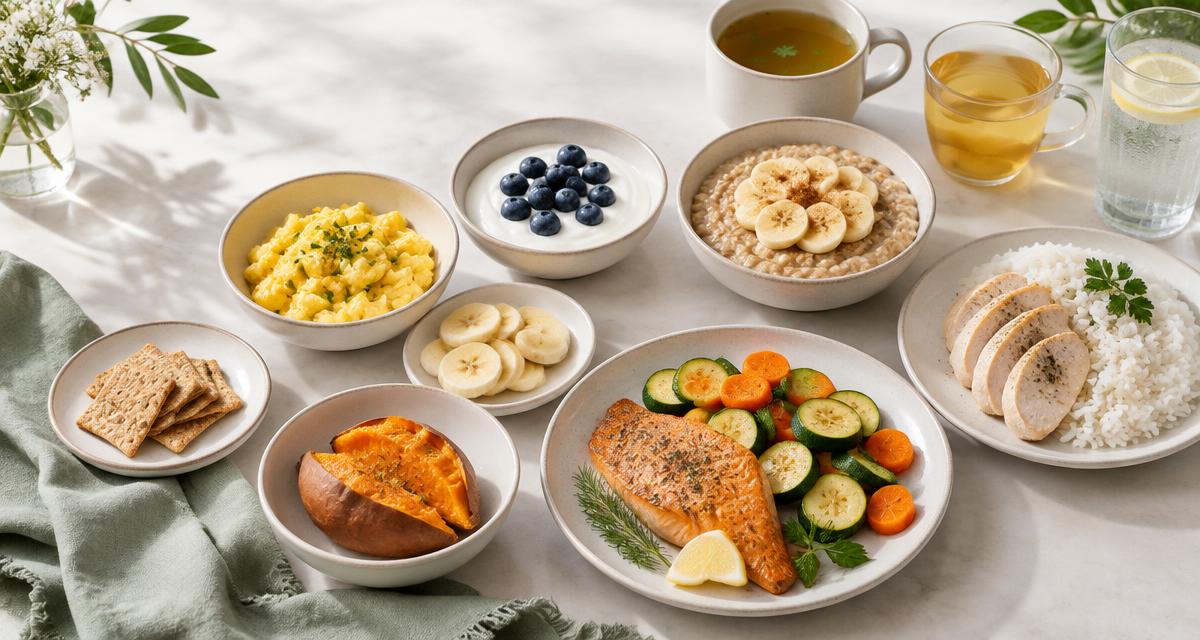
The best foods to eat on GLP-1 medications are small portions of lean protein, soft cooked vegetables, gentle carbohydrates, and fluid-rich foods. Start with oatmeal, banana, rice, broth, Greek yogurt, eggs, chicken, white fish, tofu, cooked zucchini, and ginger tea. Eat slowly, stop at the first sign of fullness, and choose lower-fat preparations when nausea, reflux, or uncomfortable fullness is active.
That answer applies broadly to semaglutide medicines such as Ozempic and Wegovy and to tirzepatide medicines such as Mounjaro and Zepbound. Tirzepatide also acts on GIP receptors, but the practical food strategy is similar because both types can reduce appetite and cause gastrointestinal symptoms. Your tolerance, dose, health conditions, and reason for treatment still matter more than any universal food list.
This guide gives you 25 foods to try, not 25 foods you must tolerate. It also explains how to adjust meals for nausea, constipation, diarrhea, or reflux; how to preserve nutrition when portions are small; and when symptoms need medical care rather than another diet change.
The short answer: build smaller, gentler meals
GLP-1 medicines can slow stomach emptying and make fullness arrive sooner. A plate that once felt ordinary may now feel too large, especially after starting treatment or increasing a dose. The most useful response is not a rigid diet. It is a change in meal size, pace, texture, and fat content.
Build a mini-meal around one easy protein, one soft carbohydrate or cooked vegetable, and a drink taken in small sips. Examples include chicken with rice and zucchini, Greek yogurt with banana, or baked fish with mashed sweet potato. Serve less than you think you need; you can return for more if you are still comfortably hungry after 15 to 20 minutes.
- Eat slowly and chew thoroughly; put utensils down between bites
- Stop at comfortable satisfaction, before pressure, belching, or nausea begins
- Keep fried, greasy, very spicy, and oversized meals for another time—or skip them if they reliably trigger symptoms
- Prioritize protein and fluids when appetite is smallest, then add produce and carbohydrates as tolerated
- Change only one variable at a time so you can identify your personal triggers
25 foods that are easy on many GLP-1 stomachs
No food is guaranteed to prevent side effects, and individual tolerance changes from day to day. These 25 options are useful starting points because they can be prepared in small, lower-fat, mild portions while still contributing protein, fluid, carbohydrates, fiber, or micronutrients.
- 1. Oatmeal — cook it soft with water or low-fat milk. Start with half a cup cooked; soluble fiber may be easier than a large raw salad.
- 2. Banana — soft, portable, and easy to divide into a few bites. Pair half a banana with yogurt for a more balanced snack.
- 3. Unsweetened applesauce — a low-effort carbohydrate when chewing or food aromas worsen nausea. Choose a small cup without added sugar.
- 4. White rice — bland, low in fat, and easy to pair with chicken, fish, tofu, or broth. Brown rice can return when your stomach feels settled.
- 5. White potatoes — boil, bake, or mash them with broth instead of heavy butter or cream. Remove the skin temporarily if rough fiber bothers you.
- 6. Sweet potatoes — soft when baked or mashed and a useful source of carbohydrate and potassium. Keep toppings light.
- 7. Dry toast or plain crackers — helpful as a small first food when an empty stomach feels queasy. Add a little lean protein once tolerated.
- 8. Clear chicken or vegetable broth — supplies fluid and sodium in a low-volume form. Choose a lower-sodium version if your clinician limits salt.
- 9. Plain Greek yogurt — concentrated protein in a small serving. Pick low-fat yogurt during nausea or reflux, and use lactose-free if dairy causes symptoms.
- 10. Low-fat cottage cheese — soft, mild, and protein-rich. Begin with a few spoonfuls and pair with banana or applesauce.
- 11. Soft-scrambled or poached eggs — compact protein with a gentle texture. Cook with minimal added fat and try one egg before a larger portion.
- 12. Skinless chicken breast — poach, bake, or slow-cook until tender; dry or heavily seasoned chicken may be less appealing when nauseated.
- 13. Lean ground turkey — easier to chew than a dense cut of meat. Use it in a mild rice bowl, soup, or small meatball.
- 14. White fish — cod, haddock, pollock, or tilapia provide lean protein with little fat. Bake or poach rather than fry.
- 15. Salmon — offers protein and omega-3 fats, but fat can intensify fullness for some people. Start with a two- to three-ounce baked portion.
- 16. Soft tofu — a mild plant protein that works in broth, a rice bowl, or a smoothie. It can be easier than beans during bloating.
- 17. A thin protein smoothie — blend an unsweetened protein powder with water or low-fat milk and half a banana; sip slowly rather than drinking it quickly.
- 18. Cooked zucchini — peel if needed, then steam or sauté lightly until soft. It adds produce without the bulk of raw vegetables.
- 19. Cooked carrots — roast, steam, or simmer until tender. They fit well in soup with chicken and rice.
- 20. Green beans — cook until soft and begin with a small serving. They are usually less gassy than large portions of cruciferous vegetables.
- 21. Cucumber — peeled and seeded cucumber provides a cool, fluid-rich option. Skip it if raw foods increase bloating.
- 22. Melon — watermelon, cantaloupe, or honeydew offers fluid and a light texture. Keep the portion modest if sweet foods worsen nausea or blood sugar control.
- 23. Berries — try a small serving of blueberries or sliced strawberries in yogurt or oatmeal. Cook or blend them if seeds bother you.
- 24. Kiwi — a nutrient-dense fruit that may support bowel regularity. Start with one and increase only if the extra fiber feels comfortable.
- 25. Ginger tea — warm or cold ginger tea can be soothing for nausea. Choose a caffeine-free, low-sugar preparation and sip it slowly.
What should you eat when GLP-1 nausea is active?
On a nauseated day, reduce aroma, fat, portion size, and complexity. Cold or room-temperature foods sometimes smell less intense than hot meals. Start with a few bites of toast, crackers, banana, rice, applesauce, oatmeal, broth, or yogurt. If that stays comfortable, add a small amount of chicken, white fish, tofu, egg, or a thin protein drink.
Do not force a full meal. Sip fluids between mini-meals if drinking with food makes you feel overfull. Ginger may help some people with nausea, but it is not a substitute for medical care and can interact with some medicines, including blood thinners. Ask a pharmacist or prescriber if you are unsure.
What should you eat for constipation on a GLP-1?
Constipation often needs a gradual combination of fluid, movement, and fiber—not a sudden oversized dose of bran or raw vegetables. If you are drinking enough and not vomiting, slowly add oatmeal, kiwi, berries, cooked vegetables, and sweet potato. Increase one serving at a time and give your body a few days to respond.
Adding fiber without enough fluid can make constipation worse. Contact your clinician if you have severe pain, persistent vomiting, marked swelling, cannot pass gas, or have not had a bowel movement and feel increasingly unwell. Those symptoms should not be managed with food advice alone.
What should you eat for diarrhea?
Temporarily emphasize lower-fiber, lower-fat choices such as banana, rice, applesauce, toast, crackers, potatoes without skin, broth, chicken, eggs, and white fish. Replace fluids in frequent small sips. An oral rehydration solution may be more appropriate than plain water after repeated diarrhea or vomiting, particularly if you feel dizzy or weak.
Ease back into oatmeal, fruit, and vegetables as symptoms settle. Very sugary drinks, alcohol, greasy foods, large dairy servings, sugar alcohols, and high-dose magnesium can worsen diarrhea in some people. Ask your clinician what to do if diarrhea is severe, contains blood, persists, or interferes with taking prescribed medicine.
What should you eat for reflux, burping, or uncomfortable fullness?
Choose smaller meals and lower-fat preparations, remain upright after eating, and avoid lying down close to bedtime. Rice, oatmeal, potatoes, lean poultry, white fish, tofu, cooked carrots, and zucchini are practical starting points. Peppermint, chocolate, alcohol, caffeine, tomato, citrus, carbonation, and spicy food can aggravate reflux in some people even when they help someone else's nausea.
Persistent reflux, repeated sulfur-smelling burps, vomiting, or food that seems to remain in your stomach for an unusually long time deserves a conversation with your prescriber. Do not change your dose or stop treatment without medical guidance unless urgent care instructs you to do so.
A one-day GLP-1 meal plan for a sensitive stomach
Use this as a flexible example, not a calorie prescription. Portions should reflect your hunger, treatment goals, medical needs, and clinician's advice. Someone with diabetes, kidney disease, heart failure, pregnancy, an eating-disorder history, or another nutrition-related condition needs individualized guidance.
- Breakfast: half a cup of soft oatmeal topped with half a banana; add a few spoonfuls of Greek yogurt if tolerated
- Mid-morning: water or ginger tea in small sips; one plain cracker with cottage cheese if hungry
- Lunch: two to three ounces of poached chicken, a small scoop of white rice, and soft cooked carrots
- Afternoon: a small low-fat Greek yogurt with blueberries, or half of a thin protein smoothie
- Dinner: two to three ounces of baked white fish or tofu with mashed sweet potato and cooked zucchini
- Evening: broth or water as needed; avoid eating past comfortable fullness simply to finish a target
How to protect protein and nutrition when portions are small
A smaller appetite can make every bite more important. Put the protein portion on the plate first and eat some of it before filling up on vegetables or starch. Greek yogurt, cottage cheese, eggs, poultry, fish, tofu, and a simple protein drink deliver more protein in less volume than a large salad or bowl of fruit.
There is no single protein target that is right for every GLP-1 user. Age, current size, kidney function, activity, rate of weight loss, and treatment goals all change the answer. The 2025 joint advisory from leading US obesity, lifestyle-medicine, and nutrition organizations emphasizes individualized nutrition care, adequate protein, resistance exercise, hydration, and micronutrient quality during GLP-1 treatment. Ask your clinician or a registered dietitian for a personal target rather than copying a number from social media.
Foods and eating patterns most likely to feel difficult
You do not need to ban a food forever because you take a GLP-1 medicine. However, certain patterns commonly create more work for a stomach that already feels full: large portions, rapid eating, fried or very fatty meals, concentrated sweets, and alcohol. Test tolerance cautiously and avoid experimenting on a day when symptoms are already active.
- Fried chicken, fries, pizza, creamy sauces, bacon, sausage, and very fatty cuts of meat
- Large restaurant portions, buffets, and eating past the first fullness signal
- Very spicy meals when nausea, reflux, or diarrhea is active
- Sugary drinks, oversized desserts, and products high in sugar alcohols
- Carbonated drinks when bloating or burping is a problem
- Alcohol, especially when you are eating little, dehydrated, or using glucose-lowering medicine
- A sudden large increase in raw vegetables, bran, beans, or fiber supplements
Semaglutide vs. tirzepatide: does the food list change?
Usually, the starting food strategy does not change. Ozempic and Wegovy contain semaglutide, a GLP-1 receptor agonist. Mounjaro and Zepbound contain tirzepatide, which acts on both GIP and GLP-1 receptors. Their approved uses and dosing differ, but both can cause nausea, vomiting, diarrhea, constipation, abdominal discomfort, and reduced appetite.
Follow the instructions for your exact prescription and diagnosis. People taking insulin or a sulfonylurea may have a higher risk of low blood sugar when treatment changes their intake; food choices and medication doses may need clinical adjustment. Never use this food list to replace a diabetes plan or alter medication on your own.
When stomach symptoms need medical care
Diet changes can make mild symptoms easier to manage, but they cannot diagnose or treat a serious adverse effect. FDA prescribing information for semaglutide and tirzepatide products includes important warnings and precautions. Read the medication guide supplied with your prescription and know how to reach your prescriber.
- Seek urgent medical help for severe or persistent abdominal pain, especially if it reaches the back, with or without vomiting
- Get prompt help if you cannot keep liquids down, urinate very little, faint, feel confused, or show other signs of dehydration
- Contact a clinician for persistent vomiting or diarrhea, severe constipation, a swollen abdomen, inability to pass gas, or worsening pain
- Report symptoms of an allergic reaction, gallbladder trouble, or low blood sugar promptly
- Tell your care team before a procedure or anesthesia because delayed stomach emptying can affect clinical planning
Frequently asked questions
- What is the best first meal after a GLP-1 shot? There is no required injection-day meal. If you tend to feel queasy, try a small familiar meal such as chicken and rice, yogurt and banana, or egg with toast, and keep the preparation low in fat.
- Should I skip meals if I am not hungry? Regular small eating opportunities may make protein, fluids, and micronutrients easier to obtain. If you repeatedly cannot eat enough, tell your prescriber rather than forcing food or accepting ongoing undernutrition.
- Can I drink a protein shake on Ozempic, Wegovy, Mounjaro, or Zepbound? Often yes. Choose a simple formula, mix it thin, and sip slowly. Check the label for allergens, added sugar, sugar alcohols, and ingredients that conflict with your care plan.
- Are raw vegetables bad on GLP-1 medications? No. They can simply be bulky or gassy during active symptoms. Cooked, peeled, or smaller portions may be easier, and raw vegetables can be reintroduced according to tolerance.
- Do I need electrolytes every day? Not everyone does. They may be useful with vomiting, diarrhea, heavy sweating, or low intake, but sodium and potassium needs vary. Ask a clinician if you have kidney, heart, or blood-pressure concerns.
- Can food eliminate GLP-1 side effects? No. Food choices can improve comfort for some people, but side effects can also reflect dose, timing, other medicines, or a problem needing medical review.
Evidence behind this guide
This article is grounded in current FDA prescribing information and medication guides for Ozempic, Wegovy, Mounjaro, and Zepbound; the 2025 joint advisory on nutritional priorities with GLP-1 therapy from the American College of Lifestyle Medicine, American Society for Nutrition, Obesity Medicine Association, and The Obesity Society; and patient guidance from NIDDK on nausea, diarrhea, constipation, hydration, and digestive symptoms. Product labels and clinical guidance can change, so use your current medication guide and care team's advice as the final authority.
Related guides
Medication guides mentioned in this article
Related tools
Supplements built for your GLP-1 journey
Formulated for the exact nutrient gaps GLP-1 medications create — protein, electrolytes, magnesium, digestive support, and more. Trusted by thousands staying strong, energetic, and healthy on Ozempic, Wegovy, Mounjaro, and Zepbound.
Continue reading
What to Eat on Zepbound: The 2026 Meal Plan + Foods to Avoid
How to Increase GLP-1 Naturally: Foods, Supplements, and Habits That Actually Work
What to Eat When You're Not Hungry on GLP-1: 15 Small, Protein-Rich Meals
Does Zepbound Cause Hair Loss? Why It Happens, How Long It Lasts, and How to Stop It
The Best Fiber Supplement for GLP-1 Users (and When to Take It)
Ready to build your routine?
Explore companion nutrition designed around hydration, protein, digestion, and recovery. Supplements do not replace prescribed medication or a varied diet.
Shop Elevate GLP products