Can You Drink Alcohol on Ozempic, Wegovy, or Mounjaro? (2026 Guide)
What actually happens when you drink alcohol on Ozempic, Wegovy, Mounjaro, or Zepbound — why one glass hits like three, the real risks (hypoglycemia, pancreatitis, nausea, dehydration), safe limits, and 8 rules that keep you protected on a night out.
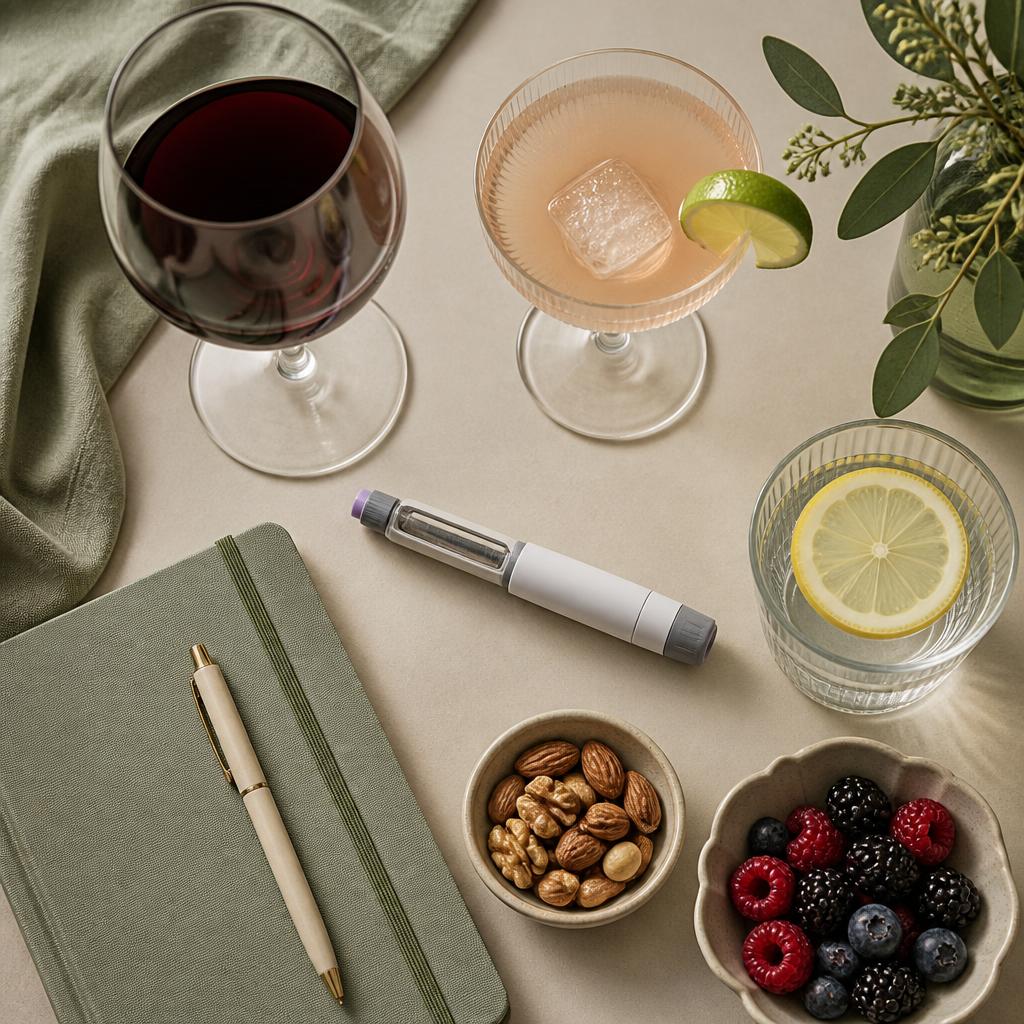
The short answer: alcohol is not strictly forbidden on Ozempic, Wegovy, Mounjaro, Rybelsus, or Zepbound — but it hits harder, lasts longer, and carries real risks that a normal drinker does not deal with. Most people on a GLP-1 feel one drink like two or three, get drunk faster, feel nausea sooner, and stay hungover longer.
There are also three medical risks worth taking seriously: hypoglycemia (low blood sugar, especially if you also take insulin or a sulfonylurea), pancreatitis (rare but well-documented on both semaglutide and tirzepatide), and worsened GI side effects — nausea, vomiting, reflux, sulfur burps, and diarrhea.
Below: exactly why alcohol changes on a GLP-1, the risks by category, safe-drinking limits doctors actually recommend, the drinks that are best and worst tolerated, and 8 evidence-based rules that let you enjoy a glass without derailing your progress or your morning.
Why alcohol hits harder on a GLP-1
GLP-1 receptor agonists (semaglutide, tirzepatide, liraglutide) slow gastric emptying — food and liquid leave your stomach 2 to 4 times slower than normal. Alcohol pools in the stomach longer, which changes how quickly it enters your bloodstream and how long it stays there.
At the same time, most GLP-1 users eat 30 to 60 percent less food per day. Less food in the stomach means alcohol is absorbed on a nearly empty stomach even when you feel full — the fullness is the medication, not calories. Blood alcohol rises faster and peaks higher on the same drink you had before starting the medication.
GLP-1s also blunt the brain reward response to alcohol (this is why they are being studied for alcohol use disorder). Many users report that drinking simply becomes less enjoyable — cravings drop, and one or two drinks feels like enough.
The 3 real risks: hypoglycemia, pancreatitis, GI side effects
1) Hypoglycemia (low blood sugar). GLP-1s stimulate insulin only when blood sugar is high, so on their own they rarely cause hypoglycemia. But alcohol suppresses the liver's ability to release glucose. If you also take insulin, a sulfonylurea (glipizide, glyburide), or have type 1 or type 2 diabetes, drinking on a GLP-1 significantly raises hypoglycemia risk — especially overnight. Symptoms: shakiness, sweating, confusion, rapid heartbeat, fainting.
2) Pancreatitis. Both alcohol and GLP-1 medications independently raise pancreatitis risk. The FDA labels for Ozempic, Wegovy, Mounjaro, and Zepbound list acute pancreatitis as a known adverse event, and heavy alcohol use is the single biggest lifestyle risk factor. Combining them stacks the risk. Warning signs: severe upper abdominal pain radiating to the back, persistent nausea and vomiting, fever — these need immediate ER evaluation.
3) Worsened GI side effects. Nausea, vomiting, reflux, sulfur burps, diarrhea, and dehydration all get worse with alcohol. If your last dose bump is within 7 to 10 days, drinking will almost always intensify GI symptoms.
How much is safe? (What doctors actually say)
There is no official GLP-1 alcohol limit, but obesity-medicine physicians and endocrinologists in 2025 and 2026 consistently give the same guidance:
- Skip alcohol entirely for the first 4 to 8 weeks and for 3 to 5 days after every dose increase — this is when nausea and GI risk peak.
- Once stable on a dose, cap it at 1 standard drink for women and 1 to 2 for men, no more than 2 to 3 days per week.
- One standard drink = 12 oz beer (5 percent), 5 oz wine (12 percent), or 1.5 oz spirits (40 percent).
- Never drink on an empty stomach — always eat 20 to 30 g of protein and some carbs first.
- Do not drink within 4 hours of your weekly injection or on the day of a dose increase.
- If you take insulin, a sulfonylurea, or have diabetes, talk to your prescriber first — the hypoglycemia risk is real.
Best and worst drinks on a GLP-1
Not all alcohol is equal on a slowed stomach. Here is how the common categories rank:
- Best tolerated: dry red or white wine (5 oz), light beer, clear spirits (vodka, tequila, gin) with soda water and lime.
- Moderate: dry champagne or prosecco, whiskey neat, dry cider.
- Worst tolerated: sugary cocktails (margaritas, daiquiris, espresso martinis), sweet wines, cream liqueurs, IPAs and heavy beers, shots, and anything carbonated with sugar. The sugar plus alcohol plus slowed emptying is a nausea trifecta.
- Skip entirely: energy-drink cocktails (Red Bull vodka), high-ABV craft beers over 8 percent, and anything you plan to have more than one of on a dose-bump week.
8 rules that keep you safe on a night out
- 1) Eat protein first. 20 to 30 g of protein (Greek yogurt, chicken, cheese, eggs, a protein shake) 30 to 60 minutes before your first drink slows absorption and protects blood sugar.
- 2) Hydrate 2:1. One full glass of water for every drink. GLP-1s already dehydrate you — alcohol multiplies it and drives next-day fatigue, headaches, and constipation.
- 3) Skip week 1 of a new dose. The first 5 to 7 days after any titration is when nausea, vomiting, and reflux peak. Wait until symptoms settle before adding alcohol back.
- 4) Avoid drinking within 4 hours of your injection. Save alcohol for days 3 to 7 of your weekly cycle, when the medication level is lower and side effects are mildest.
- 5) Cap it at 1 to 2 drinks. Almost every GLP-1 user reports the third drink is the one that triggers nausea, vomiting, or a two-day recovery. Stop at two, always.
- 6) Watch for low blood sugar. If you take insulin or a sulfonylurea, check your glucose before bed and keep fast-acting carbs (juice, glucose tabs) on your nightstand.
- 7) Replace electrolytes the next morning. Sodium, potassium, and magnesium are all depleted by alcohol plus a GLP-1. An electrolyte packet with breakfast prevents the classic day-after headache, cramps, and fatigue.
- 8) Track how you feel. Log which drinks, how many, and how you felt the next day. Most people find a personal ceiling (often 1 glass of wine or 1 tequila soda) that fits comfortably and stick to it.
Red flags — call your doctor or go to the ER
- Severe, persistent upper-abdominal pain that radiates to the back — possible pancreatitis.
- Vomiting that will not stop for more than 12 hours or signs of dehydration (dark urine, dizziness, rapid heartbeat).
- Blood-sugar readings under 70 mg/dL with shakiness, sweating, or confusion.
- Yellowing of the skin or eyes, dark urine, pale stools — possible liver or gallbladder involvement.
- Any new chest pain, shortness of breath, or fainting.
Frequently asked questions
Does alcohol stop Ozempic or Wegovy from working? No. Alcohol does not deactivate semaglutide or tirzepatide. But heavy drinking adds empty calories (about 100 to 150 per drink), disrupts sleep, worsens cravings the next day, and can stall weight loss even when the medication is working.
Can I drink wine on Mounjaro? Yes, in moderation — 5 oz of dry red or white with food, 1 to 2 times a week, once you are past the first month and outside dose-bump weeks.
Why do I get drunk so fast on Ozempic? Slower gastric emptying plus reduced food intake means alcohol enters your bloodstream on a nearly empty stomach and peaks higher on the same dose. Most users feel one drink like two.
Does alcohol cause sulfur burps on GLP-1s? Yes — especially beer, cider, and sugary cocktails. The combination of slowed digestion, sulfur-containing amino acids, and fermentation in the stomach is a common trigger.
Can I have alcohol the day of my injection? It is best to wait at least 4 hours after injecting, and ideally skip alcohol entirely on injection day when side effects peak.
Related guides
Medication guides mentioned in this article
Related tools
Supplements built for your GLP-1 journey
Formulated for the exact nutrient gaps GLP-1 medications create — protein, electrolytes, magnesium, digestive support, and more. Trusted by thousands staying strong, energetic, and healthy on Ozempic, Wegovy, Mounjaro, and Zepbound.
Continue reading
How Long Do Zepbound Side Effects Last? A Week-by-Week Timeline (2026)
Ozempic Mouth: Dry Mouth, Metallic Taste & 8 Ways to Fix It (2026)
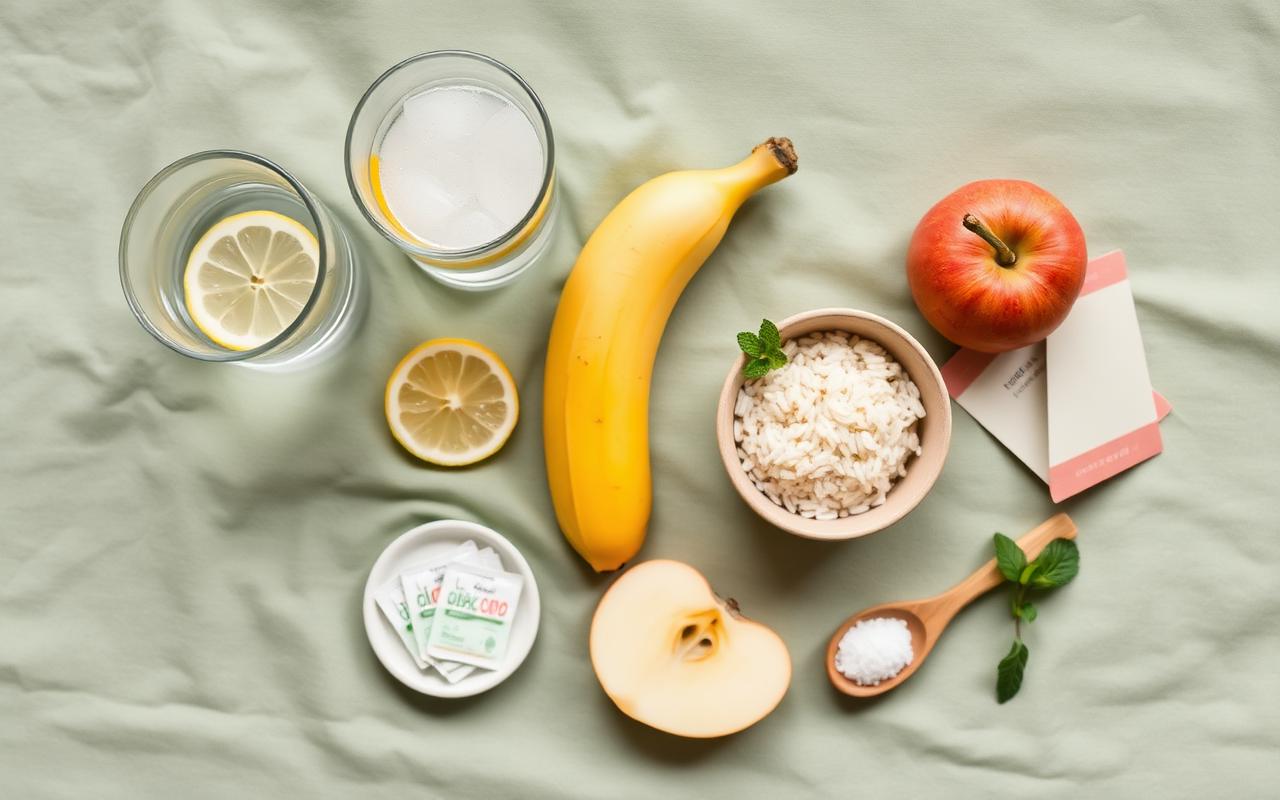
Does Ozempic Cause Diarrhea? Why It Happens & How to Stop It Fast
GLP-1 Fatigue: Why Energy Dips When You Eat Less — and the Nutrition Habits That Help