
What to Eat When You're Not Hungry on GLP-1: 15 Small, Protein-Rich Meals
Not hungry on Ozempic, Wegovy, Mounjaro or Zepbound? Try 15 small, protein-rich meals with simple portions, gentle swaps and practical low-appetite advice.
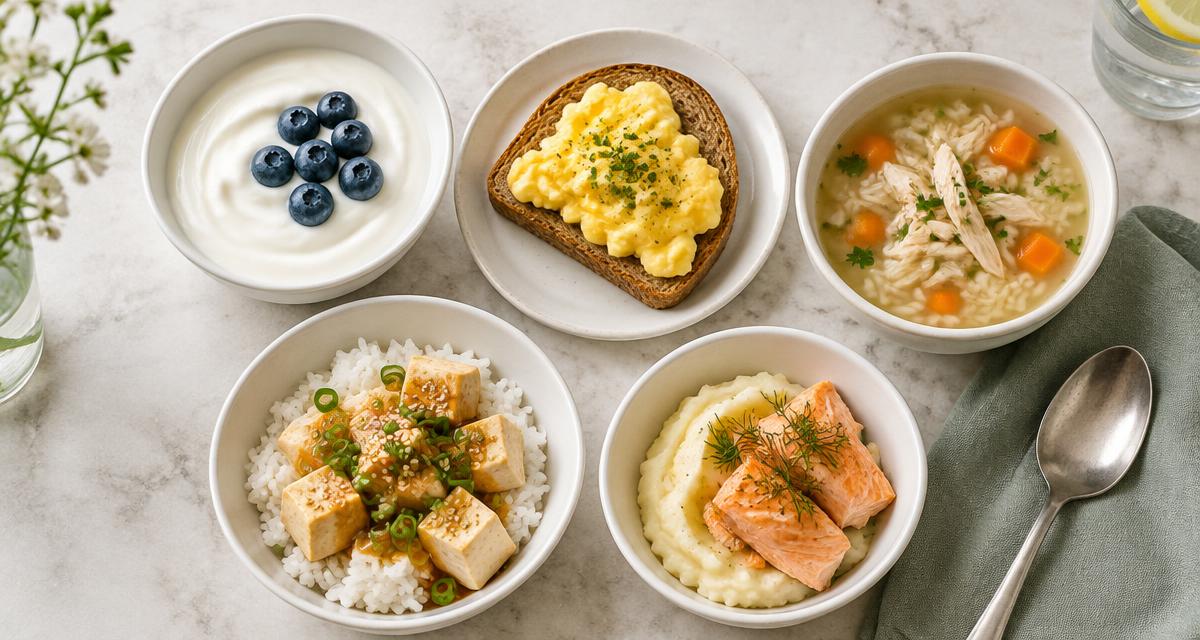
When you're not hungry on a GLP-1 medication, start with a small, manageable meal that includes protein: Greek yogurt, cottage cheese, eggs, tender chicken, fish, tofu, or a simple protein drink. Add a little carbohydrate or cooked produce as tolerated, eat slowly, and stop before uncomfortable fullness. Regular small eating opportunities are often more practical than waiting for enough hunger to finish a large plate.
Less food noise can be welcome. But a day of coffee, a few crackers, and almost no protein is not a nutrition plan. Reduced appetite can make it difficult to get enough energy, protein, fluids, and micronutrients—even when weight is moving in the direction you and your clinician intended.
These 15 original mini-meal ideas are for people taking semaglutide medicines such as Ozempic or Wegovy, or tirzepatide medicines such as Mounjaro or Zepbound. They are flexible starting portions, not a prescribed diet or a promise that a food will prevent side effects. If you repeatedly cannot eat or drink enough, contact your prescriber rather than trying to solve it with a supplement or a stricter meal plan.
Quick answer: what should you eat when your GLP-1 appetite is low?
Choose one compact protein source, keep the first portion small, and make it moist and mild if nausea is present. A few spoonfuls of yogurt or a small bowl of chicken soup can be more approachable than a dry chicken breast and a large salad. Add rice, toast, potato, fruit, or cooked vegetables so the meal contributes more than protein alone.
- No-cook options: Greek yogurt with banana; cottage cheese with soft fruit; tuna with crackers.
- Warm, soft options: egg-and-white scramble; chicken rice soup; white fish with mashed potato.
- Plant-based options: tofu rice bowl; blended lentil-tofu soup; soy-milk smoothie.
- Lowest-effort option: a modest protein drink, sipped slowly, with a small food you tolerate.
- If nausea is active: reduce portion size, added fat, strong smells, and complex toppings; do not force food past comfortable fullness.
Why you're not hungry on Ozempic, Wegovy, Mounjaro, or Zepbound
GLP-1-based medicines affect appetite and fullness signals and can delay stomach emptying. Tirzepatide also acts on GIP receptors. Their approved uses differ, but earlier fullness, nausea, and reduced food intake can affect everyday meals with either type. Some people notice more difficulty after starting treatment or a dose increase; others have low appetite throughout the week.
Not feeling hungry and not being able to eat are different problems. A manageable appetite reduction may be part of treatment. Persistent vomiting, painful fullness, or an inability to meet basic food and fluid needs deserves medical review. Your prescriber can assess symptoms, other medications, dose progression, and nutrition support; do not adjust a dose yourself.
For a broader food list and symptom-specific choices, see 25 foods that are easy on your stomach on GLP-1 medications. This article focuses instead on assembling those foods into protein-containing mini-meals.
How much protein belongs in a small GLP-1 meal?
There is no universal per-meal or daily protein prescription for every GLP-1 user. Your age, body size, activity, kidney function, weight-loss rate, and health conditions matter. The meals below generally provide approximately 12–25 grams of protein in modest portions. Those estimates describe the recipes, not a medical target; smaller portions are fine when needed.
Protein estimates are rounded calculations from typical food values and common package labels, not laboratory-tested nutrition panels. Yogurt, tofu, milk, powder, and portion sizes vary considerably. Use your exact labels—especially for plant-based products—and weigh a serving if precision matters. You can discuss a personal target with a registered dietitian and use our protein calculator as a conversation starter, not a prescription.
The 2025 multi-society nutrition advisory emphasizes adequate nutrition and muscle-preserving activity during GLP-1 treatment. Protein alone is not enough: sufficient overall energy and appropriate resistance exercise also matter. A protein-only diet can crowd out fiber, carbohydrates, essential fats, and other nutrients.
1. Greek yogurt, banana, and soft oats
Starting portion: ¾ cup plain Greek yogurt, a few banana slices, and 2 tablespoons of cooked oats. Approximate protein: 15–20 grams, depending on the yogurt. Stir the oats in after they cool and mash the banana if a smoother texture feels easier.
Why it works as a mini-meal: the yogurt puts a meaningful amount of protein in a small bowl, while banana and oats contribute carbohydrate. Choose lower-fat yogurt during active nausea and a lactose-free version if needed. Coconut yogurt is not automatically a protein-equivalent swap; check the label of a higher-protein soy alternative.
2. Cottage cheese with peaches and half a slice of toast
Starting portion: ½ cup low-fat cottage cheese, 2–3 tablespoons of soft peaches, and half a slice of toast. Approximate protein: 13–16 grams. Use peaches packed in juice and drain them, or use peeled ripe fruit. Blend the cottage cheese if curds feel unappealing.
This is useful when cooking smells turn you off and you want something cool. Start with a few spoonfuls rather than a large dairy bowl. Dairy intolerance and sodium restrictions still matter; choose a product that fits your care plan and switch meals if it causes symptoms.
3. One-egg, two-white soft scramble
Starting portion: one large egg plus two egg whites, with half a slice of toast. Approximate protein: 14–16 grams. Scramble slowly in a nonstick pan with minimal added fat, keeping the texture tender but cooking the eggs fully.
Egg whites add protein without making the portion much bigger. A splash of milk can soften the texture, but it is optional. Skip heavy cheese, bacon, and hot sauce on a nauseated day; add a spoonful of cooked spinach only when extra fiber feels comfortable.
4. Chicken and rice mini-soup
Starting portion: 2 ounces of cooked shredded chicken, ¼ cup cooked rice, a few soft carrot pieces, and enough broth to make a small bowl. Approximate protein: 17–20 grams. Simmer until the chicken is moist and the carrots are tender.
Use actual chicken as the protein anchor: ordinary broth alone may contain very little protein. If a large liquid volume makes you feel full too quickly, use less broth and have fluids separately in small sips. Choose lower-sodium broth if your clinician limits salt.
5. Tuna, crackers, and peeled cucumber
Starting portion: 2½ ounces of canned light tuna, four small plain crackers, and a few peeled cucumber slices. Approximate protein: 16–19 grams. Moisten tuna with a spoonful of plain yogurt or a little water rather than a heavy dressing.
This is a compact pantry option, but fish smells can be a trigger. Try chicken or tofu instead if needed. Rotate your fish choices rather than relying on tuna every day. Pregnant or breastfeeding readers and families should follow FDA and EPA advice about eating fish, including mercury-related guidance.
6. Baked white fish with mashed potato
Starting portion: 3 ounces of cooked cod, haddock, or pollock plus ¼ cup mashed potato. Approximate protein: 18–22 grams. Bake or poach the fish and mash the potato with a little milk or broth instead of lots of butter or cream.
Flaky fish and smooth potato can be easier to chew than dry meat. Use mild herbs and keep lemon optional if acidic foods worsen reflux. Increase the potato or add soft vegetables when tolerated; the goal is a nourishing meal, not the smallest possible calorie intake.
7. Salmon flakes over a small rice bowl
Starting portion: 2½ ounces of cooked salmon, ¼ cup cooked rice, and a spoonful of soft zucchini. Approximate protein: 16–19 grams. Flake the fish finely and keep any sauce light.
Salmon contributes protein and fats, but its higher fat content may feel heavy during nausea or reflux. On those days, use white fish or chicken instead. A nutritious food does not have to be comfortable for everyone at every stage of treatment.
8. Mild turkey meatballs with soft pasta
Starting portion: small meatballs made from roughly 3 ounces of lean ground turkey, plus ¼ cup cooked pasta. Approximate protein: 18–22 grams, depending on the recipe and meat's fat content. Bake the meatballs rather than frying them, and keep them moist with a little broth.
Cook poultry to a safe internal temperature and use a small amount of sauce. Tomato sauce may bother reflux; broth or a spoonful of a tolerated plain sauce is another option. Freeze extra meatballs in individual portions for days when meal preparation feels impossible.
9. Tofu and rice with soft carrots
Starting portion: 4 ounces of firm tofu, ¼ cup cooked rice, and 2 tablespoons of tender carrots. Approximate protein: 12–18 grams; tofu brands vary substantially. Warm the tofu in broth or steam it instead of deep-frying it.
Choose a tofu you enjoy and check its label. Silken tofu has a smoother texture but often less protein for the same weight. If you choose silken tofu, that is a valid comfort swap—not a reason to force a larger bowl. Soy allergy requires a different option.
10. Blended lentil and tofu soup
Starting portion: ½ cup cooked red lentils blended with 2 ounces of firm tofu and a little broth. Approximate protein: 14–18 grams. Cook the lentils until very soft, blend smooth, and season mildly.
This plant-based meal contributes fiber as well as protein. It is better suited to a settled stomach than a day of active bloating or diarrhea. Start with a few spoonfuls if legumes are new to your routine; choose the tofu-rice bowl instead when fiber feels uncomfortable.
11. Small chicken-and-yogurt sandwich
Starting portion: 2 ounces of cooked shredded chicken mixed with 1 tablespoon plain Greek yogurt, served on one slice of bread folded in half. Approximate protein: 19–23 grams. Trim tough crusts if they are hard to manage and use cooked chicken rather than a heavily dressed deli mixture.
A small sandwich can feel more like an ordinary lunch than a clinical eating task. Keep fillings simple and take slow bites. If dry bread sticks or feels too filling, serve the chicken mixture beside a few crackers or with moist rice instead.
12. Savory cottage-cheese potato bowl
Starting portion: ½ cup cottage cheese stirred into ¼–½ cup warm mashed potato. Approximate protein: 13–16 grams. Mash or blend the cottage cheese first if you prefer a uniform texture; add mild herbs rather than a heavy layer of cheese.
This soft bowl is an alternative to sweet dairy meals. Choose the lower end of the potato portion when fullness arrives fast, then save the rest. It is not suitable for a milk allergy, and a prescribed sodium or potassium restriction may require different ingredients.
13. Protein-enriched oatmeal
Starting portion: ¼ cup dry oats cooked with ½ cup milk, then mixed with ½ cup plain Greek yogurt after cooling slightly. Approximate protein: 16–20 grams. Use dairy milk or a soy milk with a comparable protein label; most almond and oat milks contribute less protein.
Cook the oats softer and thinner than usual if a dense bowl feels heavy. Add cinnamon or mashed banana only if tolerated. This recipe gives breakfast a protein anchor without requiring a huge serving of oats or several eggs.
14. Thin, modest-size protein smoothie
Starting portion: enough of a protein powder to provide about 15–20 grams of protein, blended with water and a small amount of banana. Approximate protein: 15–20 grams with water; milk adds more. Follow the product's label and use a texture you can sip comfortably, not a thick oversized shake.
Drink slowly and split it into smaller portions if necessary. Peanut butter, cream, lots of seeds, and multiple powders can turn a simple drink into a heavy meal. Check for milk or soy allergens, sugar alcohols, and added ingredients that aggravate symptoms. Our protein-powder comparison explains how formulas differ.
15. Soy-milk and silken-tofu mini smoothie
Starting portion: ½ cup unsweetened soy milk, 4 ounces of silken tofu, and a few banana slices, blended smooth. Approximate protein: 10–15 grams, depending on the tofu; check both labels. Select higher-protein tofu if you want more protein without a substantially larger drink.
This is a dairy-free option, not an allergy-free one. Soy is a major allergen. If cold drinks worsen symptoms, choose a warm tofu meal instead. Refrigerate promptly and follow the storage instructions on your ingredients.
A flexible day of small meals—not a full calorie prescription
Pick meals across the day rather than attempting all 15. For example: Greek yogurt and oats for breakfast; chicken rice soup at lunch; a modest protein smoothie in the afternoon; and white fish with potato at dinner. The recipe estimates add up to roughly 66–82 grams of protein, but that may be too little or more than needed for your individual situation. It does not establish adequate calories or a complete daily diet.
Add tolerated carbohydrates, fruit, vegetables, fats, and fluids to fit your nutrition needs. If four small meals cannot cover your requirements, a dietitian can help you add energy and protein without simply enlarging every portion. Do not turn these starting portions into a maximum amount you are allowed to eat.
- Offer yourself food at regular points in the day; a gentle reminder can help when hunger cues are quiet.
- Begin with a few bites of protein, then include other foods as tolerated.
- Keep a brief record of intake and symptoms if your care team finds it useful.
- Stop at comfortable fullness, and seek advice if stopping early repeatedly leaves you unable to meet your needs.
What if protein foods make you nauseated?
Change texture and temperature before assuming all protein is off limits. Moist shredded chicken, a cool yogurt bowl, soft tofu, or a thin drink may feel different from grilled meat. Cold foods can have less aroma, while mild warm soup suits some people better. There is no universally gentle food; let your own response guide the choice.
Temporarily use a smaller, lower-fat portion and avoid combining several new ingredients. A few crackers or some plain rice may be an easier first step before protein. Persistent nausea is not a willpower problem, and you should not push through repeated vomiting to finish a target.
For more symptom-specific meal ideas, visit our GLP-1 nutrition guides. If your symptoms suggest gastroparesis or another digestive condition, get a diagnosis and individualized advice rather than adopting a restrictive diet from an article.
Hydration, fiber, and muscle: the rest of the picture
Sip fluids through the day. If drinking alongside food increases uncomfortable fullness, try more of your fluids between mini-meals. A fluid target needs individual adjustment for kidney or heart conditions and prescribed fluid restrictions; electrolyte powders are not automatically necessary for every GLP-1 user. Our hydration calculator provides general context, not instructions for a medical condition.
Reintroduce fiber gradually when your stomach is settled. Oats, soft fruit, cooked vegetables, and modest portions of legumes can fit, but a sudden large fiber increase may worsen bloating. Adequate fluid matters too. Serious constipation, pain, or inability to pass gas is not a reason to keep adding fiber.
Protecting muscle involves more than a high-protein snack. The joint advisory supports resistance exercise alongside nutrition care. Ask about safe activity for your circumstances and see our GLP-1 muscle-loss guide for the distinction between food, training, and supplements.
Low-effort shopping and safe mini-meal preparation
Keep two ready-to-eat proteins, two easy-to-cook proteins, and a few gentle carbohydrates at home. A practical basket includes Greek yogurt or cottage cheese; tofu or canned light tuna; eggs and chicken; oats, rice, potatoes, bananas, and frozen cooked vegetables. Choose options you actually tolerate, not a perfect-looking basket you will not eat.
Cook a small batch of chicken, rice, or meatballs and portion it while you feel well. Refrigerate perishable food promptly, use refrigerated leftovers within 3–4 days, or freeze individual portions. Reheat leftovers to 165°F and cook poultry to 165°F. These food-safety recommendations come from USDA guidance on leftovers; GLP-1 treatment is not a reason to relax safe handling.
When a low appetite needs medical attention
Contact your prescriber if reduced appetite repeatedly prevents adequate eating, symptoms worsen after a dose increase, or you develop weakness, dizziness, or weight loss that feels faster than your agreed plan. People taking insulin or sulfonylureas need specific guidance because low intake can complicate blood-sugar management. Follow your established low-blood-sugar action plan and never independently change medication to match these recipes.
Seek urgent medical help for severe or persistent abdominal pain, especially pain spreading to the back with or without vomiting; inability to keep fluids down; fainting or confusion; very little urine; or a swollen abdomen with severe pain or inability to pass gas. Breathing difficulty or signs of a serious allergic reaction require emergency care. Food advice and supplements cannot rule out pancreatitis, dehydration, obstruction, or another serious problem.
Tell your care team about ongoing vomiting, diarrhea, or persistent painful fullness. Read the medication guide for your exact product. Kidney disease, pregnancy, an eating-disorder history, and prescribed nutrition or fluid restrictions all require individualized care.
Frequently asked questions about eating with no appetite on GLP-1
- Should I skip meals if I am not hungry on Ozempic? Quiet hunger cues do not mean your nutrition needs disappear. Offer yourself small eating opportunities and ask your clinician for help if you repeatedly cannot meet your needs. Do not force a large meal through nausea.
- What is the easiest protein when I cannot face meat? Greek yogurt, cottage cheese, eggs, tofu, or a simple protein drink are alternatives. Dairy-free yogurt varies widely in protein, so compare labels rather than assuming it replaces Greek yogurt nutritionally.
- Can I live on protein shakes while taking Wegovy or Zepbound? A shake can fill a gap, but protein powder alone is not a nutritionally complete diet. A clinician may recommend a specific oral nutrition supplement when needed; do not replace all meals without professional guidance.
- Do I need 30 grams of protein at every meal? Not necessarily. Your daily needs and tolerance determine how to distribute protein. Smaller meals can contribute meaningful amounts without meeting a fixed internet target at every sitting.
- Are these meals appropriate for kidney disease? Not automatically. Protein, potassium, phosphorus, sodium, and fluid needs can differ. Ask your kidney-care team or dietitian before following a high-protein plan or using a protein supplement.
- Will more protein guarantee that I do not lose muscle? No. Adequate protein, overall nutrition, and suitable resistance activity can support muscle preservation, but age, health, treatment, and the rate of weight loss affect outcomes.
- Is no appetite a sign my GLP-1 dose is too high? It cannot be determined from appetite alone. Persistent inability to eat, dehydration, or distressing symptoms need assessment by your prescriber; do not change a dose yourself.
Trusted sources and how to use this guide
This is educational content from Elevate GLP, a supplement retailer, not a clinical consultation or an independently tested meal program. The recipes are original practical examples informed by nutrition guidance; no trial has shown that this exact set of meals prevents GLP-1 adverse effects. Approximate protein figures depend on the ingredients and portions you choose.
The external sources below explain the clinical priorities, nutrient estimates, and safety considerations. They do not endorse Elevate GLP or any product featured here. Your current medication label and healthcare team's advice take priority over a general article.
- 2025 joint advisory: Nutritional priorities to support GLP-1 therapy for obesity — multi-society recommendations covering nutrition assessment, dietary quality, gastrointestinal symptoms, protein, and muscle-preserving activity. Source: https://pubmed.ncbi.nlm.nih.gov/40673264/
- USDA FoodData Central — reference food-composition data; use specific food entries and package labels when calculating your own portions.
- NIDDK: Eating, diet, and nutrition for gastroparesis — small meals and texture adaptations for a diagnosed condition; this is context, not a diagnosis of GLP-1-related symptoms.
- FDA and EPA: Advice about eating fish — fish choices and mercury considerations, particularly for pregnancy, breastfeeding, and children.
- USDA: Leftovers and food safety — safe storage, refrigeration, and reheating for prepared mini-meals.
- FDA: Wegovy prescribing information, revised August 2025 — warnings about gastrointestinal reactions and dehydration-related kidney injury. This is a dated reference; check the current guide for your exact medicine with your prescriber.
Related guides
Medication guides mentioned in this article
Related tools
Continue reading
What to Eat on GLP-1 Medications: 25 Foods That Are Easy on Your Stomach
The Best Multivitamin for GLP-1 Users: What to Look For (and What to Skip)
Creatine on a GLP-1: Does It Protect Muscle? (Dose & Timing)
Does Wegovy Cause Hair Loss? Why It Happens + How to Stop It
How Long Does Ozempic Fatigue Last? Timeline, Causes & Proven Fixes
A protein option for smaller appetites
Prefer a drink when a full meal feels unappealing? Explore Elevate GLP's vanilla whey protein isolate as one optional protein source alongside the meals above. Follow the serving and mixing instructions on the current label, start with a portion you tolerate, and avoid adding multiple supplements at once. It is not a treatment for nausea or a complete meal replacement.
This is our own product, not an independent recommendation. Protein supplements complement food; they do not replace a balanced diet, prescribed medication, or medical care. Check the current label and ask your clinician if you have kidney disease, a milk allergy, or a prescribed nutrition plan.