
How Long Does Ozempic Fatigue Last? Timeline, Causes & Proven Fixes
Most Ozempic fatigue eases within 2–4 weeks per dose change. Here's the full timeline, why it happens, and the nutrition, hydration, and supplement fixes that actually work.
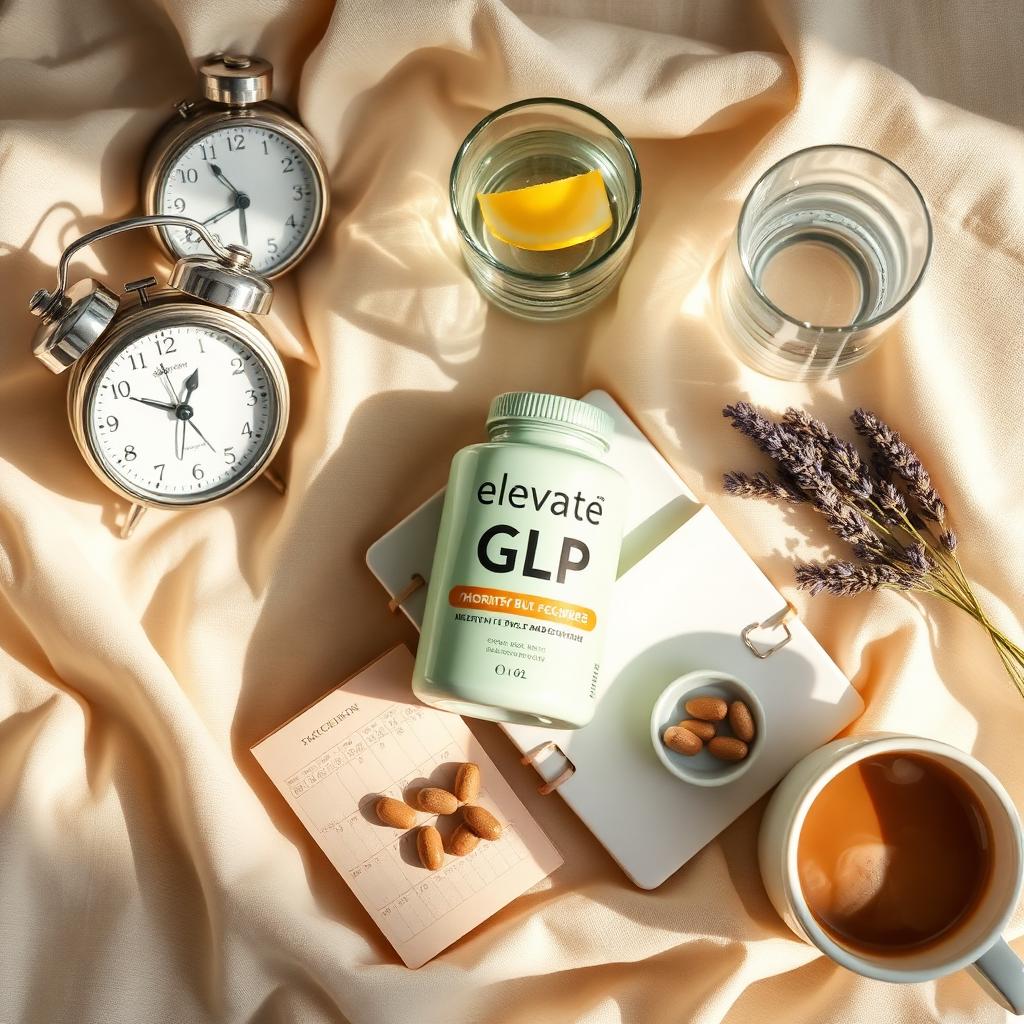
If you have started Ozempic® (semaglutide) and feel like you are pushing through quicksand by 2 p.m., you are not imagining it — and you are not alone. Fatigue is one of the most commonly reported side effects of GLP-1 medications, and the first question almost everyone asks is the same: how long does Ozempic fatigue last?
The honest, evidence-based answer: for most people, Ozempic fatigue is temporary. It typically appears in the first 1–2 weeks after starting the medication or after any dose increase, peaks around weeks 2–3, and gradually fades within 4–6 weeks as your body adapts. A smaller group experiences fatigue that lingers longer — almost always because of a fixable nutrition, hydration, or sleep gap rather than the drug itself.
This guide breaks down the exact timeline, the real reasons GLP-1 medications drain your energy, the warning signs that mean something else is going on, and the supplement, food, and lifestyle fixes that get most people feeling like themselves again — fast.
The short answer: Ozempic fatigue timeline
- Days 1–7: Fatigue often starts within 24–72 hours of your first dose or a dose increase.
- Weeks 1–2: Tiredness usually peaks here, often alongside nausea and reduced appetite.
- Weeks 2–4: Energy steadily improves as your body adapts to semaglutide.
- Weeks 4–6: Most people feel back to baseline at a stable dose.
- After each dose increase (0.25 → 0.5 → 1.0 → 1.7 → 2.4 mg): expect a smaller, shorter wave of fatigue lasting 1–3 weeks.
- Beyond 6–8 weeks of persistent fatigue at a stable dose: almost always a nutrient, hydration, sleep, or thyroid issue worth investigating.
Why Ozempic causes fatigue in the first place
Ozempic does not directly cause tiredness the way a sedative would. Instead, it changes how, when, and how much you eat — and those changes ripple into your energy, blood sugar, sleep, and hydration. Understanding the mechanism is the key to fixing it.
1. A sudden, sharp drop in calories
GLP-1 medications work by slowing gastric emptying and dampening hunger signals in the brain. Many people go from 2,200–2,800 calories a day to 1,000–1,400 calories almost overnight. Your body interprets that gap as an energy emergency and conserves fuel — which feels like fatigue, brain fog, and a short fuse.
2. Dehydration and electrolyte loss
When food intake drops, fluid and electrolyte intake drops with it — most people get 20–30% of their daily water from food. Add reduced thirst (another GLP-1 effect), and mild dehydration becomes the norm. Even a 1–2% drop in hydration measurably reduces alertness, mood, and physical performance.
3. Low blood sugar swings
Ozempic helps stabilize blood glucose, but if you skip meals or eat very low-carb on top of the medication, you can dip into mild hypoglycemia — especially in the afternoon. That dip feels exactly like classic Ozempic fatigue: shaky, foggy, exhausted, irritable.
4. Not enough protein to protect muscle
Under-eating protein on a GLP-1 leads to lean muscle loss, and muscle is metabolically active tissue. Less muscle means a lower resting energy level, weaker workouts, and more end-of-day exhaustion. Most GLP-1 users need 0.7–1.0 g of protein per pound of goal body weight to protect muscle and energy.
5. Nutrient gaps: B12, iron, magnesium, vitamin D
Eating less food means absorbing less of the micronutrients your mitochondria need to make ATP — the molecule your body burns for energy. The most common deficiencies driving GLP-1 fatigue are vitamin B12, iron (especially in menstruating women), magnesium, and vitamin D. Any one of these alone can cause persistent tiredness; combined, they are almost guaranteed to.
6. Disrupted sleep
Nausea, reflux, and delayed gastric emptying can disturb sleep in the first weeks of treatment. Poor sleep magnifies every other fatigue trigger and is one of the most overlooked reasons Ozempic tiredness drags on.
How long does Ozempic fatigue last after each dose increase?
Ozempic is titrated upward roughly every 4 weeks (0.25 mg → 0.5 mg → 1.0 mg → 1.7 mg → 2.4 mg). Each step up tends to bring a smaller, shorter version of the original fatigue wave — usually 1–3 weeks, peaking in the first 7–10 days after the increase. By the time you reach a maintenance dose and stay there, most people stop noticing the cycle entirely.
If your fatigue is significantly worse after a dose increase, that is a normal signal to be extra strict about protein, hydration, electrolytes, and sleep that week — not a sign the medication is failing.
When Ozempic fatigue lasts longer than expected
If you are 6–8 weeks into a stable dose and still exhausted, the medication itself is rarely the culprit. The most common causes of persistent GLP-1 fatigue are:
- Chronic under-eating — fewer than ~1,200 calories per day for women or ~1,500 for men
- Protein intake below 80 g/day
- Dehydration and low sodium, potassium, or magnesium
- Iron deficiency or low ferritin (very common in women)
- Low vitamin B12, vitamin D, or folate
- Undiagnosed hypothyroidism
- Poor sleep quality or untreated sleep apnea
- Overlapping medications (beta-blockers, antihistamines, certain antidepressants)
How to combat Ozempic fatigue: the daily fix list
Most people who follow this checklist consistently see meaningful energy improvement within 7–14 days, regardless of where they are in their dose schedule.
- Hit 80–120 g of protein per day (women) or 100–150 g (men) — every meal, no exceptions
- Drink half your body weight in ounces of water, minimum
- Add a daily electrolyte drink (sodium, potassium, magnesium) — especially after exercise
- Eat something with protein and a small amount of carbs within an hour of waking
- Do not skip meals — three small meals beat one big one on a GLP-1
- Walk 10–20 minutes after meals to stabilize blood sugar
- Get 7–9 hours of sleep; protect a wind-down window
- Take a high-quality multivitamin with B12, iron (if appropriate), vitamin D, and magnesium
The best supplements for Ozempic fatigue
Supplements will not override under-eating or poor sleep, but the right ones close the exact gaps GLP-1 medications create. Five stand out:
1. Vitamin B12 (methylcobalamin)
B12 is non-negotiable for energy production and red blood cell formation. Low intake from reduced eating, combined with slower gastric emptying, makes B12 one of the most common deficiencies in GLP-1 users. A sublingual or oral methylcobalamin form is well absorbed and gentle.
2. Magnesium glycinate
Magnesium powers more than 300 enzymatic reactions, including ATP (energy) production. It also improves sleep quality and eases muscle cramps — two more reasons GLP-1 users feel wiped out. Glycinate is the gentlest, best-absorbed form for daily use.
3. Electrolytes
A low- or no-sugar electrolyte mix with meaningful sodium (500–1000 mg), potassium, and magnesium is one of the fastest fixes for afternoon Ozempic fatigue. Many users feel the difference within an hour.
4. Iron (only if you need it)
Iron deficiency is the single most under-diagnosed cause of persistent fatigue in women. If you are tired beyond what your dose explains, ask your provider for a ferritin test before guessing. Supplement only with confirmed need — and pair with vitamin C for absorption.
5. A complete multivitamin built for GLP-1 users
Because food volume is permanently lower on a GLP-1, a daily multivitamin is the simplest insurance policy against the long tail of micronutrient gaps that drive fatigue. Look for one with bioavailable B12, vitamin D3, magnesium, zinc, and B-complex at meaningful — not token — doses.
When to call your provider
Mild, dose-related fatigue is expected on Ozempic. Reach out to your prescriber if you experience severe or worsening exhaustion that interferes with daily life, fatigue with chest pain, shortness of breath, dizziness on standing, signs of dehydration (dark urine, lightheadedness), persistent vomiting, or symptoms of hypoglycemia (shakiness, sweating, confusion). These are uncommon but deserve prompt attention.
How Elevate GLP supports energy on Ozempic
Elevate GLP formulas are designed specifically for the nutrient, hydration, and protein gaps GLP-1 medications create. Our multivitamin, magnesium glycinate, electrolyte support, and protein options work together to keep your energy steady through every dose increase — so you can stay consistent with the medication and see the results you started it for.
Frequently asked questions
Q: How long does Ozempic fatigue last after the first dose? Usually 1–2 weeks of noticeable fatigue, easing significantly by week 3–4 as your body adapts.
Q: Does Ozempic fatigue get worse with higher doses? Each dose increase tends to bring a smaller, shorter wave of fatigue — typically 1–3 weeks — that fades as you stabilize.
Q: Why am I still tired after months on Ozempic? Almost always a fixable cause: too few calories, low protein, dehydration, low B12 or iron, poor sleep, or untreated thyroid issues. Ask your provider for basic bloodwork (CBC, ferritin, B12, vitamin D, TSH).
Q: What is the fastest way to beat Ozempic fatigue today? Drink 16–20 oz of water with electrolytes, eat 25–40 g of protein, take a 10-minute walk outside in sunlight, and protect a 7–9 hour sleep window tonight.
Q: Can I take caffeine on Ozempic? Yes for most people, in moderation. Caffeine masks fatigue but does not fix the underlying cause — pair it with food, water, and electrolytes, not as a replacement.
Related guides
Medication guides mentioned in this article
Related tools
Supplements built for your GLP-1 journey
Formulated for the exact nutrient gaps GLP-1 medications create — protein, electrolytes, magnesium, digestive support, and more. Trusted by thousands staying strong, energetic, and healthy on Ozempic, Wegovy, Mounjaro, and Zepbound.
Continue reading
GLP-1 Fatigue: Why Energy Dips When You Eat Less — and the Nutrition Habits That Help

Can You Drink Alcohol on Ozempic, Wegovy, or Mounjaro? (2026 Guide)

How Long Do Zepbound Side Effects Last? A Week-by-Week Timeline (2026)

Does Wegovy Cause Hair Loss? Why It Happens + How to Stop It