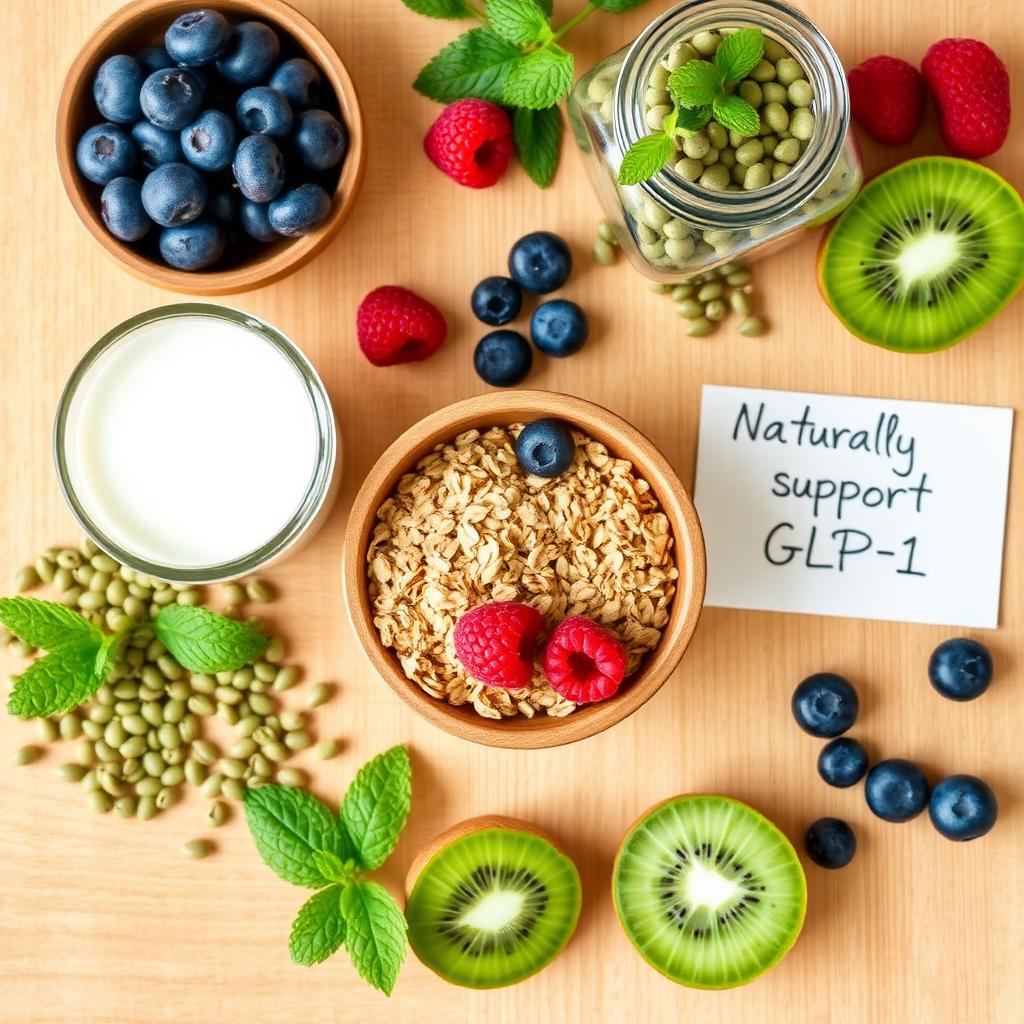
Are GLP-1 Supplements Safe? How to Read a Label (and What to Avoid)
"GLP-1 supplement" now covers two completely different products: nutrient support for people on Ozempic, Wegovy, Mounjaro, or Zepbound, and "natural GLP-1 booster" pills sold as drug alternatives. One is straightforward and safe for most people. The other is where the real risks live. Here is how to tell them apart, how to read a label in 60 seconds, and which ingredients deserve a conversation with your prescriber.

Short answer: nutrient-support supplements — protein, electrolytes, magnesium, a complete multivitamin, fibre, digestive enzymes — are safe for most people on a GLP-1 medication when they are dosed sensibly and third-party tested. They replace what a half-sized diet no longer delivers. The products that carry real risk are the "natural GLP-1 booster" pills marketed as alternatives to Ozempic or Mounjaro: unverified proprietary blends, undisclosed doses, and appetite-suppressant stimulants that were never studied alongside a prescription GLP-1.
Both categories sit on the same shelf under the same phrase, which is exactly why the question keeps coming up. The word "supplement" is a regulatory category, not a quality signal — in the US, supplements do not need FDA approval before sale, and the FDA acts mostly after a problem appears. Safety, therefore, is a property of the specific label in your hand, not of supplements in general.
This guide gives you the framework: which ingredients are genuinely low-risk on a GLP-1, which ones interact with slowed digestion, the four red flags that should make you put a bottle down, how to read a supplement facts panel in about a minute, and the short list of things worth raising with your prescriber or pharmacist before you start.
The two products both called "GLP-1 supplements"
Almost every safety argument on this topic collapses because two very different products share one search phrase. Separating them answers most of the question by itself.
- Category 1 — nutrient support (low risk): protein, electrolytes, magnesium, a complete multivitamin, fibre, digestive enzymes, creatine, omega-3. These do not touch how the medication works. They refill nutrients that fall when food volume drops 30–50%. This is the category Elevate GLP formulates for.
- Category 2 — "GLP-1 boosters" or drug alternatives (higher risk): berberine, high-dose bitter melon extract, appetite-suppressant blends, thermogenic stimulants, unnamed "metabolic" proprietary formulas. Marketed as replacements for or amplifiers of prescription GLP-1s, usually with no dose transparency and no interaction data.
- The practical rule: supplements that replace nutrients are generally safe. Supplements that claim to change appetite, blood sugar, or how a drug works need a prescriber's sign-off first.
Why supplement safety is a different question on a GLP-1
GLP-1 medications slow gastric emptying — food and capsules sit in your stomach longer. That single mechanism changes how supplements feel and behave, even when the ingredients themselves are unremarkable.
- Large capsules and big single doses linger, which makes nausea, reflux, and sulfur burps far more likely than they were before treatment.
- Fibre added quickly on already-slowed digestion can worsen bloating and constipation instead of relieving them — the direction of effect depends entirely on ramp speed and water intake.
- Iron and high-dose zinc on a near-empty stomach are common causes of what people assume is a medication side effect.
- You are eating less food, so a "200% of daily value" formula that used to sit on top of a full diet is now a much larger share of your total intake — for water-soluble vitamins that is usually fine, for fat-soluble A and E it is worth watching.
- Anything that lowers blood sugar on its own — berberine is the common example — stacks with a medication already doing that job.
Generally safe on a GLP-1: the low-risk list
These are the supplements with the clearest rationale and the mildest risk profile for GLP-1 users. Doses are typical adult ranges, not prescriptions — your prescriber's guidance always outranks a label.
- Protein powder, 25–40 g per serving — the highest-impact item for protecting lean muscle during rapid weight loss. Whey isolate or a clean plant blend; safe for healthy kidneys, and worth clearing first if you have kidney disease.
- Electrolytes, roughly 500–1,000 mg sodium and 200–400 mg potassium daily — fixes the dizziness, headaches, and fatigue plain water cannot. Check with your prescriber first if you have high blood pressure, heart failure, or kidney disease, or take a potassium-sparing diuretic or ACE inhibitor.
- Magnesium glycinate, 200–400 mg elemental at night — gentle on the stomach, helps cramps, sleep, and regularity. Magnesium oxide and citrate are far more likely to cause loose stools.
- A complete multivitamin with B12, D3, K2, folate, iron, and zinc — daily insurance against the deficiencies a half-sized diet quietly creates. One serving, not stacked on top of three other fortified products.
- Fibre, 5–10 g daily, started at 2–3 g and increased over two weeks with plenty of water — psyllium or a gentle blend, taken away from other supplements.
- Digestive enzymes with meals — low risk, and often the difference between finishing a protein-forward meal and abandoning it.
- Creatine monohydrate, 3–5 g daily — one of the most studied supplements there is, and useful for holding onto strength while losing weight.
- Omega-3, 1–2 g combined EPA/DHA — flag it to your prescriber if you take an anticoagulant.
Four red flags that mean put the bottle down
- Proprietary blend with no per-ingredient doses. If the label will not tell you how much of anything you are taking, no one can assess the risk — including your pharmacist.
- Drug-replacement claims: "nature's Ozempic", "works like semaglutide", "GLP-1 in a capsule". Legitimate supplement labels are not allowed to claim they treat disease, and the ones that do are telling you they are not being careful anywhere else.
- No third-party testing mark. Look for NSF, Informed Choice, USP, or a published certificate of analysis with a lot number. Without it, you have the manufacturer's word and nothing else.
- Megadoses far above the daily value on fat-soluble vitamins (A, D, E, K) or minerals like selenium and zinc — on a reduced-food diet these accumulate faster than they used to.
Ingredients to clear with your prescriber first
- Berberine — lowers blood sugar independently; combined with a GLP-1, and especially with insulin or a sulfonylurea, the hypoglycaemia risk is real. It also interacts with a long list of medications through CYP enzymes.
- Chromium picolinate at high doses, bitter melon, gymnema, and cinnamon extracts — same blood-sugar concern, less data.
- Stimulant-based appetite suppressants (high-dose caffeine, synephrine, yohimbine) — you already have appetite suppression; adding more mostly buys you a racing heart and poor sleep.
- St John's wort — a broad drug interaction risk, including with oral contraceptives and antidepressants.
- Iron, if you are not deficient — supplement it based on bloodwork, not on guesswork, and expect constipation on a GLP-1.
- High-dose vitamin E, fish oil, or ginkgo if you take a blood thinner.
- Anything at all if you are pregnant, breastfeeding, on dialysis, or have a history of pancreatitis or gallbladder disease.
How to read a supplement label in 60 seconds
- Serving size first — a "30 serving" tub is often four capsules per serving. Doses on the front of the bottle are per serving, not per capsule.
- Find the elemental amount, not the compound weight. "Magnesium glycinate 1,000 mg" may be 140 mg of actual magnesium; the label should say which.
- Scan for a proprietary blend line. If one exists, treat every dose above it as unknown.
- Check the daily value column for anything over 200%, then check whether that nutrient is fat-soluble.
- Look for the third-party seal and a lot number you can look up.
- Read the "other ingredients" line — sugar alcohols (sorbitol, maltitol, xylitol) are a frequent, avoidable cause of bloating and diarrhoea on a GLP-1.
- Check the form and timing instructions: with food, away from food, or away from other minerals. On slowed digestion these instructions matter more than they used to.
Side effects that are usually the supplement, not the drug
When something new starts within a few days of adding a product, the product is the more likely cause. Most of these resolve with a change of form, dose, or timing rather than stopping altogether.
- Nausea or reflux soon after a capsule — try a smaller dose, take it with food, or split the serving across the day.
- Loose stools — usually magnesium oxide or citrate, a sugar alcohol, or too much fibre too fast.
- Worse constipation — fibre added without enough water, or an iron dose you may not need.
- Sulfur burps — often a large protein or multi dose sitting on slowed digestion; smaller, earlier servings help.
- Metallic taste or stomach pain — a classic sign of zinc or iron taken on an empty stomach.
- Jitteriness, palpitations, or poor sleep — a stimulant hidden inside a "metabolism" blend.
A safe way to start (and how to know it's working)
- Add one product at a time and give it 5–7 days before adding the next. Stacking four new things on day one makes any reaction impossible to attribute.
- Start at half the label dose for anything that goes through your gut in volume — fibre, magnesium, enzymes.
- Keep total protein, electrolytes, and fluid consistent day to day; erratic intake produces symptoms that look like medication side effects.
- Take your list — including doses and brands — to your prescriber or pharmacist at your next visit or dose escalation.
- Ask for bloodwork at 3–6 months: B12, ferritin, vitamin D, and a basic metabolic panel tell you far more than how you feel on any given afternoon.
- Signs it is working: steadier afternoon energy, fewer night cramps, regular bowel movements, strength holding in the gym, hair and nails unchanged.
How Elevate GLP approaches this
Elevate GLP formulates strictly in the nutrient-support category. Nothing in the range claims to boost, replace, or amplify a prescription GLP-1 — the products exist to close the protein, electrolyte, magnesium, micronutrient, and digestive gaps the medication creates when food volume drops.
That means transparent per-ingredient doses with no proprietary blends, gentle forms chosen for slowed digestion (magnesium glycinate rather than oxide, low-sugar electrolytes, enzyme support taken with meals), and doses in the ranges above rather than headline megadoses. It is educational information, not medical advice — bring the label to your prescriber and let them make the call for your situation.
Frequently asked questions
- Are GLP-1 supplements safe to take with Ozempic, Wegovy, Mounjaro, or Zepbound? Nutrient-support supplements — protein, electrolytes, magnesium, a complete multivitamin, fibre, enzymes — are safe for most people at sensible doses and do not interfere with how the medication works. "GLP-1 booster" products marketed as drug alternatives are the ones to clear with a prescriber first.
- Are over-the-counter "natural GLP-1" supplements safe? They are not evaluated for safety or effectiveness before sale, most do not disclose doses, and several common ingredients lower blood sugar on their own. Do not treat them as a substitute for a prescribed medication.
- Can supplements make my GLP-1 side effects worse? Yes — magnesium oxide, sugar alcohols, iron, and fibre ramped too fast are the usual culprits. Changing the form, dose, or timing usually fixes it.
- Does a supplement reduce how well my medication works? Nutrient-support products do not. Anything with its own blood-sugar or appetite effect can change the overall picture, which is why it needs a prescriber's input.
- How do I know a brand is trustworthy? Per-ingredient doses on the label, no proprietary blends, third-party testing (NSF, USP, Informed Choice) with a lot-traceable certificate of analysis, and no disease or drug-replacement claims.
- Do I need to tell my doctor? Yes — bring the actual labels, especially before a dose escalation and before any procedure or surgery.
Related guides
Medication guides mentioned in this article
Related tools
Supplements built for your GLP-1 journey
Formulated for the exact nutrient gaps GLP-1 medications create — protein, electrolytes, magnesium, digestive support, and more. Trusted by thousands staying strong, energetic, and healthy on Ozempic, Wegovy, Mounjaro, and Zepbound.
Continue reading

Best Over-the-Counter GLP-1 Supplements (2026): What Actually Helps
Supplements for GLP-1 Users: The 2026 Buyer’s Guide
Best Vitamins to Take While on GLP-1: The 2026 Checklist

GLP-1 Constipation: Causes and the Best Supplements to Take