
The GLP-1 Nutrition Gap: 11 Essential Nutrients You May Be Missing When Your Appetite Disappears
Appetite gone on Ozempic, Wegovy or Zepbound? Explore 11 nutrients to prioritize, small-meal ideas, and when to ask about testing or supplements.
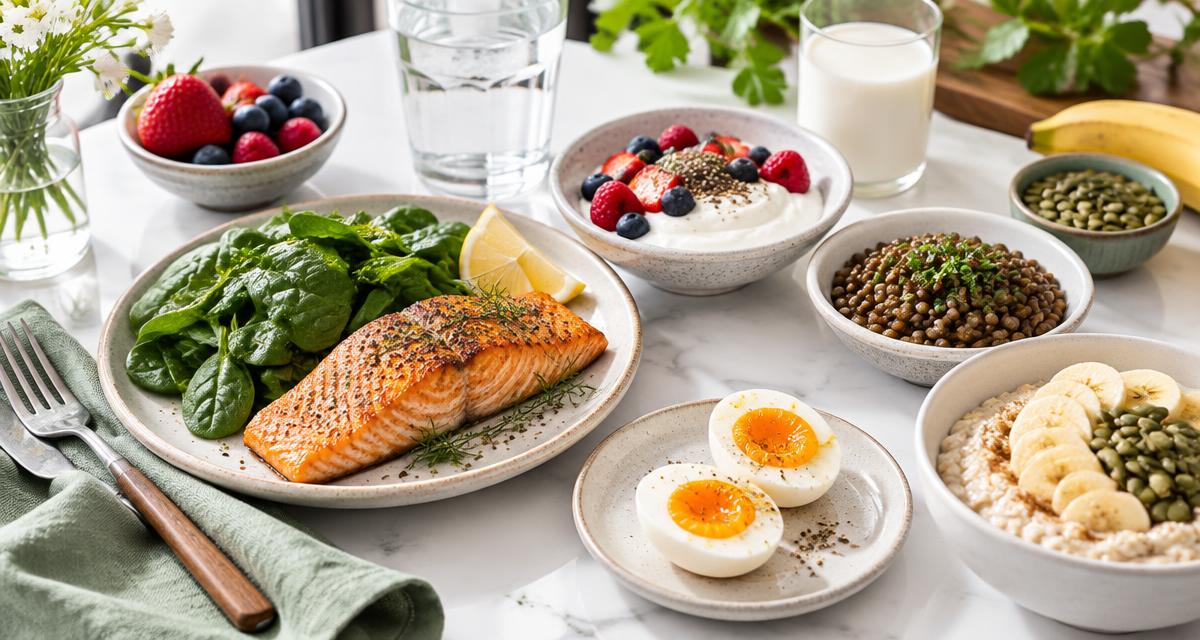
When GLP-1 treatment dramatically reduces your appetite, the nutritional challenge is getting enough nourishment from less food. Protein, vitamin D, calcium, vitamin B12, folate, iron, magnesium, potassium, zinc, thiamin and vitamin C deserve attention when portions shrink or food variety disappears. Low intake is a risk—not proof that you are deficient in all, or any, of these nutrients. Start with small, nutrient-dense meals and ask your clinician or registered dietitian which gaps, tests or supplements actually apply to you.
Ozempic and Wegovy contain semaglutide; Mounjaro and Zepbound contain tirzepatide, a dual GIP/GLP-1 receptor agonist. Their indications and treatment instructions differ. This guide discusses nutrition during appetite-reducing treatment, not medication dosing. Feeling less hungry does not remove your body's need for essential amino acids, vitamins, minerals, fluids and enough overall energy.
The 2025 multi-society advisory on nutritional priorities during GLP-1 therapy recommends attention to nutritional adequacy, gastrointestinal symptoms and muscle preservation. Our eleven-item list is an original editorial framework drawn from that advisory and public nutrition guidance—not a clinically validated deficiency checklist. This is educational content from Elevate GLP, not individualized medical advice or an independently medically reviewed assessment.
Quick answer: how do you close a GLP-1 nutrition gap?
Make each tolerated eating opportunity count: include a protein source, add a small portion of produce or another micronutrient-rich food, and drink regularly within your medical plan. Use cooked, softer or lower-fat options if those are easier to tolerate. If appetite loss repeatedly prevents adequate intake, tell your prescriber rather than accepting it as the price of treatment.
- Food first, targeted support second: a shake or supplement should solve an identified problem, not replace a varied diet.
- Low intake, low blood levels and a diagnosed deficiency are different things. Symptoms alone cannot tell you which nutrient is missing.
- Do not change your medication dose, start megadoses or take iron or potassium simply because you feel tired.
- Persistent vomiting, inability to keep fluids down, fainting or severe abdominal pain needs prompt medical assessment.
Why reduced appetite can become reduced nourishment
Smaller portions can be perfectly compatible with adequate nutrition. Problems arise when meals become very infrequent, protein-containing foods disappear, nausea narrows food choices, or the same few low-nutrient snacks replace meals. Vomiting or diarrhea may add fluid and electrolyte losses. Pre-existing deficiencies, bariatric surgery, vegan diets, older age, medicines and other health conditions can also change the picture.
A nutrition gap is not evidence that GLP-1 medicines universally block vitamin absorption or directly cause every deficiency. Some people already had inadequate intake before treatment. Others improve diet quality while eating less. Your actual meals, symptoms, history and—where appropriate—laboratory results matter more than a generic supplement stack.
For practical starting points, see our 25 foods that may be easier on your stomach and 15 small, protein-rich meals for low appetite. Food tolerance is individual; neither list treats severe gastrointestinal symptoms.
11 essential nutrients to keep on your radar
These eleven priorities include a macronutrient category, vitamins and minerals. Protein supplies essential amino acids; it is not a vitamin. This is not an exhaustive inventory of everything your body needs, and the order is not a deficiency ranking. Fiber, water, essential fats and sufficient energy also matter and are addressed later. For each priority, consider what you actually eat before deciding you need a pill.
1. Protein: support strength when meals get smaller
Protein provides amino acids used to build and maintain body tissues. Weight loss can involve lean tissue as well as fat; lean mass is not identical to muscle mass. If meals shrink to toast or a few crackers, protein intake may fall substantially. Nutrition and appropriate muscle-strengthening activity belong together—protein alone is not a guarantee against muscle loss.
Small-portion options include Greek yogurt, eggs, fish, tofu, cottage cheese, poultry and lentils. A tolerated protein powder can be convenient when food falls short, but it need not be added on top of already adequate intake. The multi-society advisory discusses protein goals during weight loss and the uncertainty around which body-weight measure to use; an individualized target is more useful than prescribing the same number to every reader.
Ask a dietitian to account for age, activity, body size and kidney disease. Our protein calculator can start a conversation, but it does not replace a prescribed nutrition plan. Distribute tolerated protein foods across eating opportunities rather than trying to force one very large serving.
2. Vitamin D: a bone-health priority, not a weight-loss booster
Vitamin D helps the body absorb calcium and supports bone health. Eating less fish or fortified food may reduce intake, but food history alone cannot predict your blood level. Low vitamin D can predate treatment, and risk varies with sun exposure, absorption and medical history.
Consider small servings of oily fish and vitamin-D-fortified milk or plant beverages; check the label because fortification varies. Eggs supply some vitamin D but are not a complete solution. Discuss testing when your clinician considers it indicated rather than requesting universal screening because you take a GLP-1 medicine.
The NIH vitamin D fact sheet explains intake, deficiency and excessive supplementation. High doses can cause harm; vitamin D is not a proven appetite-loss treatment or a shortcut to faster weight loss.
3. Calcium: smaller portions still need bone-supporting foods
Calcium contributes to bones and teeth and is involved in muscle and nerve function. Avoiding dairy without replacing its nutrients can create an intake gap. Not all plant milks contain comparable calcium, and a normal blood calcium result does not establish that dietary intake is adequate.
Try yogurt, milk, calcium-fortified soy beverage, calcium-set tofu or fish with edible bones, in portions you tolerate. Check labels and serving sizes. The calcium in spinach is less readily absorbed than calcium from some other foods; a spinach salad alone is not a dependable replacement for calcium-rich staples.
A clinician can help decide whether supplementation is needed, especially with kidney disease, kidney stones or interacting medicines. Calcium supplements may worsen constipation in some people. Consult the NIH calcium guidance before assuming more is better.
4. Vitamin B12: pay attention to diet and other medicines
Vitamin B12 supports red blood cell formation and nervous-system function. Intake may be low if animal foods and fortified alternatives disappear. Vegan diets, certain digestive conditions and medicines such as metformin can increase concern independently of GLP-1 treatment.
Small servings of fish, eggs, dairy or B12-fortified foods can help; unfortified plant foods are not reliable B12 sources. A dietitian can help plan dependable B12 intake for a vegan diet. Fatigue, numbness or balance problems deserve assessment, not an assumption that an energy supplement will solve them.
Ask whether your history warrants B12 testing and what replacement is appropriate if deficiency is diagnosed. The NIH B12 fact sheet distinguishes nutritional sources, absorption problems and medication-related risks. Taking B12 is not established to increase energy in someone who already has adequate status.
5. Folate: keep some greens, beans or fortified grains
Folate is needed for DNA synthesis and cell division. A restricted menu with few vegetables, beans and enriched or fortified grains can reduce intake. It is particularly important to discuss folate and the entire medication plan with your care team if pregnancy is possible or planned; GLP-1 treatment requires product-specific pregnancy advice.
Use tolerated portions of lentils, beans, cooked leafy greens, avocado or fortified grains. A small lentil soup or egg with cooked greens may be easier to finish than a large raw salad. Food folate and supplemental folic acid are related but not identical forms.
High-dose folic acid can complicate recognition of B12 deficiency. Avoid stacking multiple fortified products and supplements without checking total intake. See NIH folate guidance and ask about your specific needs rather than treating tiredness with folic acid alone.
6. Iron: investigate fatigue before supplementing
Iron helps hemoglobin carry oxygen. Eating little meat, seafood, legumes or fortified grains can reduce intake; menstrual blood loss and other bleeding may matter more than appetite alone. Fatigue, breathlessness and hair shedding have many possible causes and do not diagnose iron deficiency.
Small portions of meat, lentils, beans or iron-fortified cereal can contribute. Pair plant iron sources with vitamin-C-containing foods, such as lentils with cooked peppers, when tolerated. A clinician may use a blood count and iron-related tests in context; inflammation and other conditions can affect interpretation.
Do not self-prescribe high-dose iron. It can worsen nausea or constipation, interact with medicines and be dangerous when excessive. If iron is needed, ask about the form, schedule and symptom management. The NIH iron fact sheet outlines sources, risks and interactions.
7. Magnesium: start with food, not a symptom-based diagnosis
Magnesium is involved in nerve and muscle function and many enzyme reactions. Reduced intake of nuts, seeds, legumes and whole grains can lower dietary magnesium. Cramps or poor sleep alone cannot identify a deficiency; other causes may require assessment.
Try a modest amount of nut butter, pumpkin seeds, oats, beans or cooked greens. Larger servings of fatty foods or high-fiber foods may not suit active nausea, so build intake around tolerance instead of forcing a supposedly perfect meal.
Supplemental magnesium can cause diarrhea and interact with certain medicines. Impaired kidney function increases safety concerns. Our glycinate-versus-citrate magnesium guide and the NIH magnesium fact sheet provide context; neither establishes that everyone on Ozempic or Zepbound needs magnesium.
8. Potassium: an electrolyte that needs individualized care
Potassium supports nerve, muscle and cellular function. Eating less produce, dairy and beans can reduce intake; vomiting or diarrhea can also change electrolyte balance. A low-potassium diet and a low blood potassium level are not interchangeable, and serious abnormalities need medical treatment.
Potatoes, yogurt, beans, bananas and cooked vegetables can contribute when appropriate for your diet. An electrolyte drink is not automatically needed because appetite is low, and products vary widely in potassium and sodium. Our GLP-1 hydration guide covers a related topic; hydration requirements still depend on your health and fluid plan.
Kidney disease and medicines such as ACE inhibitors, ARBs or potassium-sparing diuretics can make extra potassium unsafe. Check with your clinician before potassium supplements or potassium-based salt substitutes. Consult the NIH potassium fact sheet. Significant weakness, palpitations or fainting deserves prompt assessment.
9. Zinc: avoid turning hair changes into a supplement guess
Zinc supports normal immune function, wound healing and many cellular processes. Very limited intake of meat, seafood, dairy, beans and seeds can reduce dietary zinc. Hair shedding during weight change has several possible explanations; it is not proof of zinc deficiency.
Small servings of meat, seafood, yogurt or beans and seeds can help broaden intake. Plant-based diets can provide zinc, but its bioavailability differs across foods. Seek guidance if food restrictions, poor intake or digestive illness persist.
Long-term high-dose zinc can cause copper deficiency. Check whether your multivitamin, immune supplement and separate zinc product overlap before adding more. The NIH zinc fact sheet explains this risk and relevant medicine interactions.
10. Thiamin (vitamin B1): persistent vomiting changes the urgency
Thiamin helps the body use energy from food and supports nervous-system function. Prolonged poor intake, repeated vomiting, previous bariatric surgery or heavy alcohol use can raise concern. This is a risk to discuss early—not evidence that ordinary appetite suppression inevitably causes thiamin deficiency.
Pork, beans and enriched or fortified grains are food sources. If you can eat only a few bites for a prolonged period, food tips may not be enough: contact your clinician for assessment of nutrition, hydration and treatment tolerability.
New confusion, difficulty walking or unusual eye-movement or vision symptoms, especially after prolonged vomiting or poor intake, warrants urgent assessment. Do not wait for a routine vitamin appointment or try to treat neurological symptoms with an over-the-counter blend. Read the NIH thiamin fact sheet for nutritional background.
11. Vitamin C: small produce portions count
Vitamin C supports collagen formation and improves absorption of nonheme iron from plant foods. It may become an intake concern if fruits and vegetables largely disappear. Citrus is not essential: people with reflux or food aversions can choose other sources.
Try tolerated portions of strawberries, kiwi, peppers, broccoli or potatoes. Cooked vegetables may be easier than raw foods when nausea is active; variety over time matters more than finishing a large salad today. Add a little fruit to yogurt or cooked peppers alongside beans if that suits your stomach.
High-dose vitamin C can cause gastrointestinal upset and needs caution in some medical conditions. A supplement is not a substitute for assessment of unexplained bruising, bleeding or poor wound healing. The NIH vitamin C fact sheet covers food sources, deficiency and safety.
Beyond the eleven: fiber, fluids, fats and enough energy
The list above is not a complete diet. Fiber supports bowel function, although it is not classified as an essential vitamin or mineral. Oats, fruits, vegetables and legumes can help when tolerated. Increase fiber gradually and pair it with appropriate fluids; large fiber loads can worsen bloating in some people. Severe nausea, diagnosed gastroparesis or inability to pass stool or gas needs condition-specific advice, not an automatic fiber supplement.
Water and other fluids matter even when meals shrink. Ordinary water may be sufficient for many people; oral rehydration or electrolyte replacement can be appropriate in specific situations under guidance. Fluid restrictions, heart or kidney disease, vomiting and diarrhea change recommendations. Persistent dehydration cannot be fixed by a marketing claim.
Essential fats and enough overall energy also matter. A modest amount of olive oil, avocado, nuts or other tolerated fats can make a small meal more nourishing, but very fatty meals may aggravate symptoms. Avoid treating appetite loss as permission to live on coffee, supplements and a few bites.
A small-appetite meal framework—not a one-size-fits-all menu
Use a protein anchor, a nutrient-rich companion and an appropriate drink at each tolerated eating opportunity. Portions are deliberately flexible. This example is not a calorie prescription, a complete daily diet or a guaranteed way to meet all eleven needs; a dietitian can adjust it for your medical history and preferences.
- Breakfast idea: Greek yogurt with a little soft fruit and oats, or eggs with a small slice of fortified toast.
- Lunch idea: a small lentil soup with tofu, chicken or another tolerated protein, plus cooked vegetables.
- Another eating opportunity: milk or a fortified soy beverage, cottage cheese, or a small protein shake if food intake is short.
- Dinner idea: fish or tofu with a modest potato portion and cooked greens; adjust fat and texture to symptoms.
- Keep a few easy choices available. Food preparation should not become another barrier when appetite and energy are low.
A seven-day nutrition check you can bring to your care team
A brief record can reveal patterns without turning eating into a rigid tracking project. The purpose is to make follow-up more useful, not to diagnose eleven deficiencies in a week. Skip tracking that worsens anxiety or disordered eating and ask for supportive alternatives.
- Note tolerated foods, skipped meals and whether a protein source appears across the day.
- Record nausea, vomiting, diarrhea, constipation and difficulty drinking, including whether symptoms limit meals.
- List medicines, supplements, dietary restrictions, previous bariatric surgery and any prescribed fluid or protein limits.
- Identify one manageable food change and ask a dietitian what else is needed; do not start eleven supplements at once.
- Bring persistent symptoms to the prescriber. Review nutrition and tolerability before focusing only on the scale. Our GLP-1 plateau guide explains why more restriction is not an automatic solution.
When blood tests or supplements may make sense
There is no universal eleven-test panel required solely because someone starts a GLP-1 medicine. Clinicians choose tests based on symptoms, diet, risk factors, previous results and medical history. Depending on the situation, discussion may include a blood count, iron studies, B12, vitamin D, kidney function or electrolytes. Some suspected deficiencies require urgent clinical treatment rather than waiting for routine screening.
A standard multivitamin may help cover selected intake gaps when diet remains limited, but it typically does not supply meaningful protein or fiber and may contain relatively little calcium or magnesium. It also cannot resolve severe undernutrition. Compare the current label with other supplements to avoid overlapping ingredients and discuss interactions with a pharmacist.
Consider the smallest useful intervention: an easy protein food, a targeted supplement for an established need or a dietitian-guided fortified-food plan. Our supplements for GLP-1 users buyer's guide and vitamins to take while on GLP-1 are related reading, not a prescription to buy a stack.
A more nourishing GLP-1 routine starts here
Get practical meal ideas, nutrition guidance, and Elevate offers by email—plus 15% off your first order.
When low appetite needs medical attention
Contact your care team if appetite loss repeatedly prevents adequate food intake, vomiting continues, weakness interferes with daily life, or weight loss is faster or more difficult to tolerate than your agreed plan. Persistent symptoms should not be dismissed as proof the medicine is working well.
Seek urgent assessment for severe or persistent abdominal pain, inability to keep fluids down, fainting, significant confusion, or abdominal swelling with inability to pass stool or gas. Breathing problems or signs of a serious allergic reaction are emergencies. New neurological symptoms after prolonged poor intake or vomiting also need urgent attention.
If you use insulin or a sulfonylurea, reduced intake can complicate blood-glucose management. Follow your prescribed glucose and low-glucose plan and discuss medication adjustments with your clinician. Supplements are not emergency treatment.
Frequently asked questions about GLP-1 nutrition gaps
These concise answers summarize the guidance above. They cannot diagnose a deficiency or determine whether your medication needs adjustment.
Do Ozempic, Wegovy and Zepbound cause vitamin deficiencies?
They can make adequate intake harder for some people by reducing appetite or causing gastrointestinal symptoms, but deficiency is not inevitable. Diet, baseline nutrient status, other medicines and medical history all matter. Low intake is different from a diagnosed deficiency; do not assume that the medication directly blocks absorption of every vitamin.
What should I eat when I have no appetite on GLP-1?
Try small tolerated portions with a protein anchor, such as yogurt, eggs, tofu, fish or a small shake, alongside nutrient-rich foods you can manage. Softer or cooked options may be easier than large raw or high-fat meals. If you repeatedly cannot eat enough, ask your care team for help instead of relying on supplements alone.
Should every GLP-1 user take a multivitamin?
Not necessarily. A multivitamin can help selected people with limited intake, but need depends on the diet and clinical situation. It does not replace protein, fluids, fiber or enough food, and it may duplicate nutrients in other products. Review your diet and current labels with a clinician or pharmacist before adding one.
Can fatigue or hair shedding tell me which nutrient is missing?
No. Both have multiple possible causes, including changes unrelated to nutrient deficiency. Persistent or significant symptoms warrant assessment. Iron, zinc or B12 should not be prescribed from a symptom checklist alone; high-dose supplements can create new problems.
Is a protein shake a complete meal replacement?
Not automatically. A protein powder usually provides a protein source, whereas a formulated meal replacement has a different intended nutritional role. Read the actual label. Protein powder can fill a real protein gap, but it should not become your entire diet or be assumed to cover all eleven nutrients.
Do I need electrolytes every day on semaglutide or tirzepatide?
Not solely because you use these medicines. Diet, hydration, fluid losses, kidney function and other medicines determine whether an electrolyte product is useful or potentially unsafe. Significant vomiting, diarrhea or dehydration needs medical advice, not simply a daily supplement habit.
Will Elevate GLP products correct all eleven nutrient gaps?
We do not claim that. The protein product below is a convenient option for a specific dietary need, not a treatment for deficiency, medication side effects or malnutrition. Other products should be chosen only after reviewing their current labels and your needs. Newsletter signup is free and separate from buying a product or authorizing a recurring order.
Verified sources and editorial transparency
Prepared by Elevate GLP using the nutrition advisory and authoritative public nutrient guidance linked throughout this article. The eleven-item framework and meal examples are our synthesis; no study tested this exact list or established that Elevate products prevent GLP-1-related deficiencies. We do not claim independent medical review, comparative superiority or guaranteed clinical outcomes. Reviewed for publication on November 3, 2026.
- 2025 multi-society advisory: Nutritional priorities to support GLP-1 therapy for obesity—nutrition adequacy, gastrointestinal symptoms, protein and muscle-preserving activity.
- NIH Office of Dietary Supplements fact sheets—nutrient-specific food sources, deficiency risks, upper limits and medicine interactions; individual sheets are linked above.
- NIDDK: eating, diet and nutrition for gastroparesis—condition-specific dietary guidance, not a diagnosis of gastroparesis in every GLP-1 user.
- Ozempic U.S. prescribing information, Wegovy U.S. prescribing information, and Zepbound U.S. prescribing information—approved indications and safety instructions; always follow the current label supplied with your prescription.
- NIDDK: low blood glucose—recognition and management context for people at risk, including those taking insulin or certain diabetes medicines.
Related guides
Medication guides mentioned in this article
Related tools
Supplements built for your GLP-1 journey
Companion nutrition for people on Ozempic, Wegovy, Mounjaro, and Zepbound — protein, electrolytes, magnesium, and digestive support to help you cover the basics when appetite is low. Supplements complement food and do not replace prescribed medication.
Continue reading

GLP-1 Weight Loss Plateau: 12 Reasons You Stopped Losing Weight and How to Break Through

Why Am I Still Hungry on Ozempic? 9 Reasons Your Appetite Isn't Going Away

What to Eat When You're Not Hungry on GLP-1: 15 Small, Protein-Rich Meals
The Best Multivitamin for GLP-1 Users: What to Look For (and What to Skip)

Why Sleep Suffers on GLP-1s — and How to Fix It Naturally
Make a small appetite work harder for your nutrition
When your meal review reveals a protein shortfall, make the next step practical. Elevate GLP's vanilla whey protein isolate offers a convenient protein option to consider alongside the foods you tolerate. Less preparation, a familiar flavor, and a clear place in your routine—without a promise to replace meals or correct every nutrient gap.
- A convenient protein option for days when meal preparation feels difficult.
- Vanilla flavor to use in a shake or another label-appropriate food addition.
- Current ingredients, serving details, price and availability from our store.
Review the label and serving instructions, then use the product's buy button below to add it to your cart. Complete payment through secure Shopify checkout. Want ideas before you buy? Join the free newsletter within this article. Email signup never authorizes a payment, and any recurring product purchase requires a separate explicit choice. This product is not a complete meal replacement or treatment for a nutrient deficiency.
This is our own product, not an independent recommendation. Protein supplements complement food; they do not replace a balanced diet, prescribed medication, or medical care. Check the current label and ask your clinician if you have kidney disease, a milk allergy, or a prescribed nutrition plan.