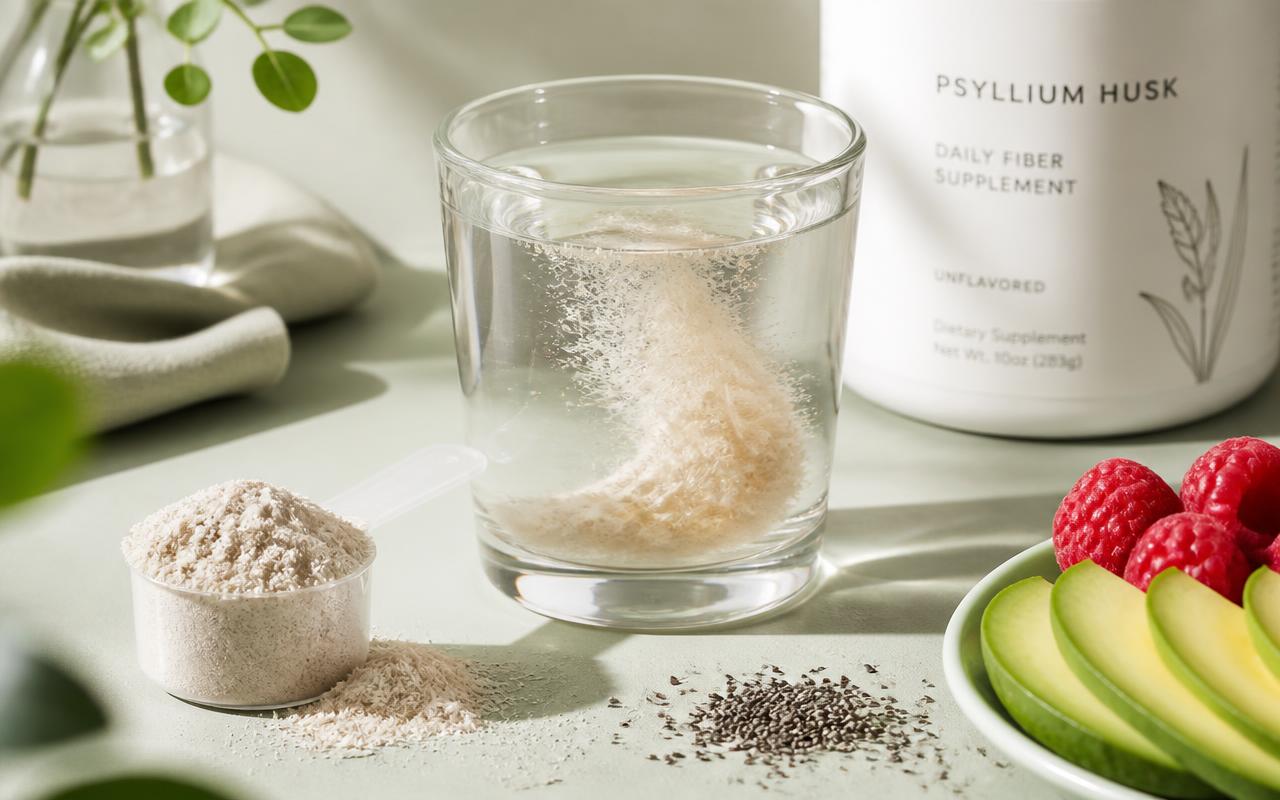
What to Eat on Ozempic to Avoid Nausea: 21 Foods That Actually Help (2026)
Ozempic nausea is the #1 reason people quit — but the right foods can shut it down within days. Here are 21 evidence-based foods to eat, 12 to avoid, meal timing rules, and a 7-day nausea-proof meal plan for semaglutide, Wegovy, Mounjaro, and Zepbound.
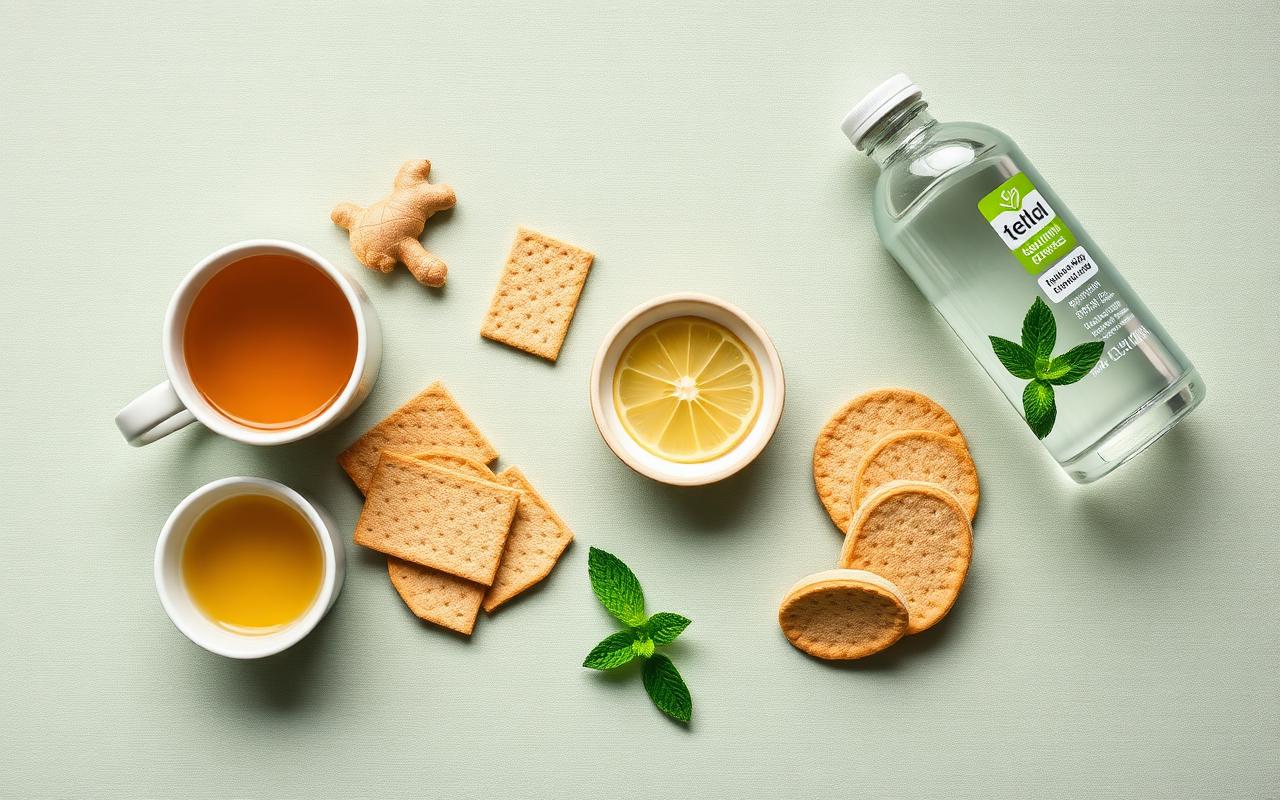
If Ozempic makes you queasy, you're not doing anything wrong — and you don't have to just wait it out. Nausea is the most common side effect of every GLP-1 medication (semaglutide, tirzepatide, Wegovy, Mounjaro, Zepbound), and it's driven almost entirely by two things you can control: what you eat and when you eat it.
Get the food part right and most people feel dramatically better within 3–5 days. Get it wrong — a greasy dinner, a giant portion, a sugary coffee — and you'll spend the next 12 hours regretting it. This guide walks through the 21 foods that reliably calm a GLP-1 stomach, the 12 that trigger nausea almost every time, meal timing that works, hydration rules, and a full 7-day nausea-proof meal plan.
Everything here is drawn from the mechanism of how GLP-1s work in your gut — delayed gastric emptying, altered satiety signaling, changes in bile flow — plus what thousands of users report actually helps. This is nutrition information, not medical advice; if nausea is severe, prolonged, or paired with vomiting, dehydration, or abdominal pain, contact your prescriber.
Why Ozempic causes nausea in the first place
GLP-1 medications slow gastric emptying by roughly 30–70%. Food that would normally clear your stomach in 2 hours can sit there for 4–6. That fullness signal is what drives appetite suppression — but it's also what drives nausea, reflux, and the queasy 'I ate too much' feeling after just a few bites.
Three specific triggers make it worse: (1) high-fat meals, because fat is the slowest macronutrient to digest; (2) large portions, because the stomach is already emptying slowly; (3) simple sugars and alcohol, because they irritate an already sluggish gut and can spike then crash blood sugar. Almost every 'why am I so nauseous?' post traces back to one of these three.
The good news: nausea usually peaks in the first 1–2 weeks after starting a new dose, then fades as your gut adapts. Eat right through the peak and you often skip the worst of it entirely.
21 foods that actually calm GLP-1 nausea
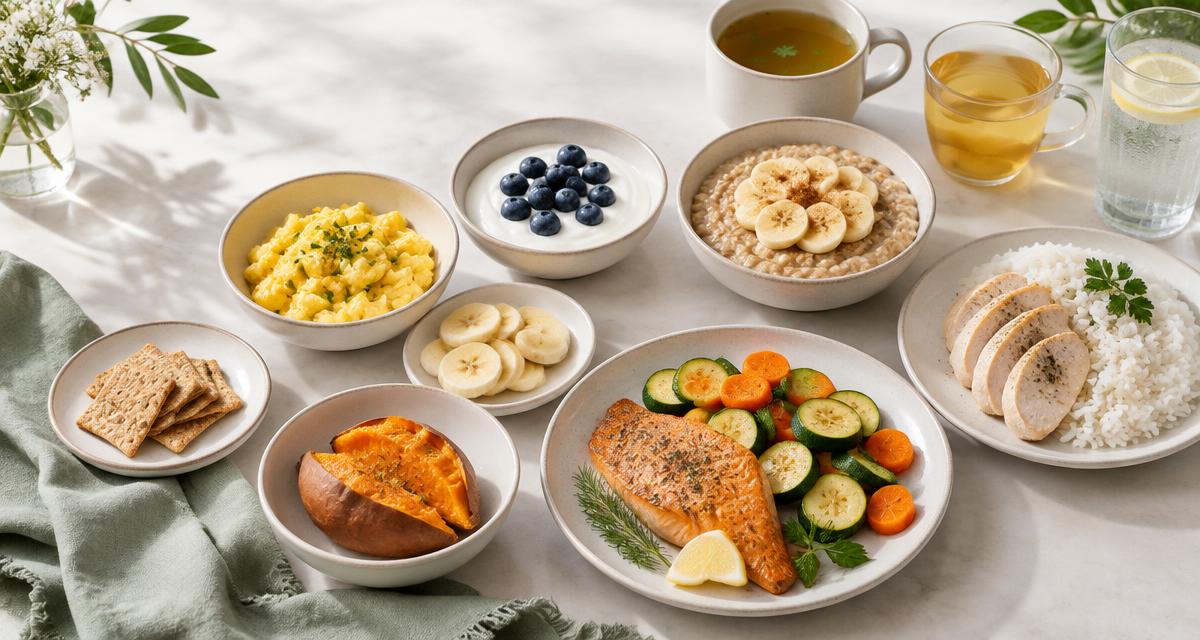
The pattern is simple: bland, low-fat, easy-to-digest, and small. Think 'sick day' food, not 'diet' food. Protein still matters (you're on a GLP-1 — muscle loss is real), but the delivery has to be gentle.
- Ginger — fresh, tea, chews, or capsules. The single most-studied nausea remedy; 1–1.5g/day meaningfully reduces GLP-1 nausea for most users.
- Plain crackers or dry toast — the classic 'first thing in the morning' fix; soaks up stomach acid without triggering fullness.
- Bananas — soft, low-fat, and rich in potassium (which GLP-1s deplete via reduced intake).
- Applesauce (unsweetened) — gentle carbs, no fiber overload.
- White rice — easiest starch to digest; pairs with almost any protein.
- Oatmeal (plain) — soluble fiber that soothes rather than irritates; skip the sugary flavor packets.
- Clear broth (bone or vegetable) — hydration + electrolytes + a tiny bit of protein in a form your stomach barely notices.
- Skinless chicken breast — lean protein, minimal fat, no skin (skin = trigger).
- White fish (cod, tilapia, halibut) — the lowest-fat, easiest-digesting protein available.
- Scrambled eggs — small portions only; slow-cook in a nonstick pan with no butter.
- Greek yogurt (plain, low-fat) — protein plus probiotics; probiotics reduce GLP-1 GI side effects in several small studies.
- Cottage cheese (low-fat) — 14g protein per half cup, mild, easy on the stomach.
- Peppermint tea — relaxes the lower esophageal muscle and calms nausea; skip if reflux is your main symptom.
- Cold foods over hot foods — cold food emits less aroma; aroma triggers nausea. Cold chicken, cold yogurt, and smoothies often win when hot meals fail.
- Watermelon, cantaloupe, honeydew — 90%+ water, gentle sugars, easy hydration.
- Boiled or baked potatoes (no butter/sour cream) — filling starch that rarely triggers.
- Rice noodles or plain pasta — small portion (½ cup cooked), no cream sauce.
- Miso soup — light, salty (electrolytes), warm but not aromatic, easy protein.
- Salted crackers + electrolyte drink — sodium helps with the hydration issue that magnifies nausea.
- Popsicles (low-sugar or homemade) — cold, hydrating, sometimes the only thing that stays down on a bad day.
- Protein isolate shake (whey or plant, mixed thin) — sip slowly over 30 minutes; the easiest way to hit protein when solid food is off the table.
12 foods that trigger nausea almost every time
Every experienced GLP-1 user has a 'never again' story. Almost every one of them involves one of these. Cut these hard in the first 2 weeks of any new dose, then reintroduce cautiously.
- Fried food (fries, fried chicken, tempura) — fat + volume, the worst combo.
- Fast-food burgers and pizza — high fat, large portion, often eaten too fast.
- Heavy cream sauces (Alfredo, carbonara, curry with cream) — the fat load sits in your stomach for hours.
- Bacon, sausage, and fatty cuts of red meat — takes 4–6 hours to clear a slow GLP-1 stomach.
- Ice cream and full-fat dairy desserts — cold sounds good, but the fat undoes it.
- Alcohol (especially wine and cocktails) — irritates the stomach lining and worsens dehydration; also amplifies GLP-1 effects unpredictably.
- Carbonated soda and seltzer in large amounts — bloats an already-slow stomach.
- Sugary coffee drinks (mocha, caramel latte, energy drinks) — the sugar + caffeine + fat combo is a nausea grenade.
- Spicy food — cayenne, chili crisp, and hot sauce can irritate a sensitive GLP-1 gut.
- Raw cruciferous vegetables in large amounts (broccoli, cabbage, cauliflower) — gassy and slow to digest raw; steamed and small is fine.
- Very high-fiber meals (huge salad, bran cereal, three bean burrito) — fiber is great long-term but a big fiber load on day 1 is a mistake.
- Anything you 'have to finish' — plate size is a trigger. Serve yourself half of what you used to eat, no exceptions.
Meal timing rules that shut down nausea
- Eat 5–6 small meals instead of 3 big ones. Every meal fits in a cereal bowl. Fullness stops being a signal to stop; you have to portion in advance.
- Stop at 70% full. GLP-1s make the 'I'm full' signal arrive late — often 20–30 minutes after you've already overshot.
- Slow down: 20 minutes per meal, minimum. Put the fork down between bites.
- Don't drink large volumes of liquid with meals. Sip 2–4 oz; save the rest for between meals.
- Sit upright for 30–60 minutes after eating. Lying down worsens reflux and nausea dramatically on a GLP-1.
- Eat your biggest 'meal' at breakfast or lunch, not dinner. Nighttime nausea is worse because gastric emptying slows further overnight.
- Time injections away from meals: many users report less nausea when injecting in the evening after their last meal, so the peak hits during sleep.
Hydration and electrolytes — the missing half of nausea control
GLP-1 users chronically under-drink because thirst blunts alongside appetite. Mild dehydration alone causes nausea, headaches, dizziness, and fatigue. Add electrolyte depletion (from reduced food intake) and you have a symptom stack that looks like 'medication side effects' but is really 'you had 20 oz of water and 800 calories today.'
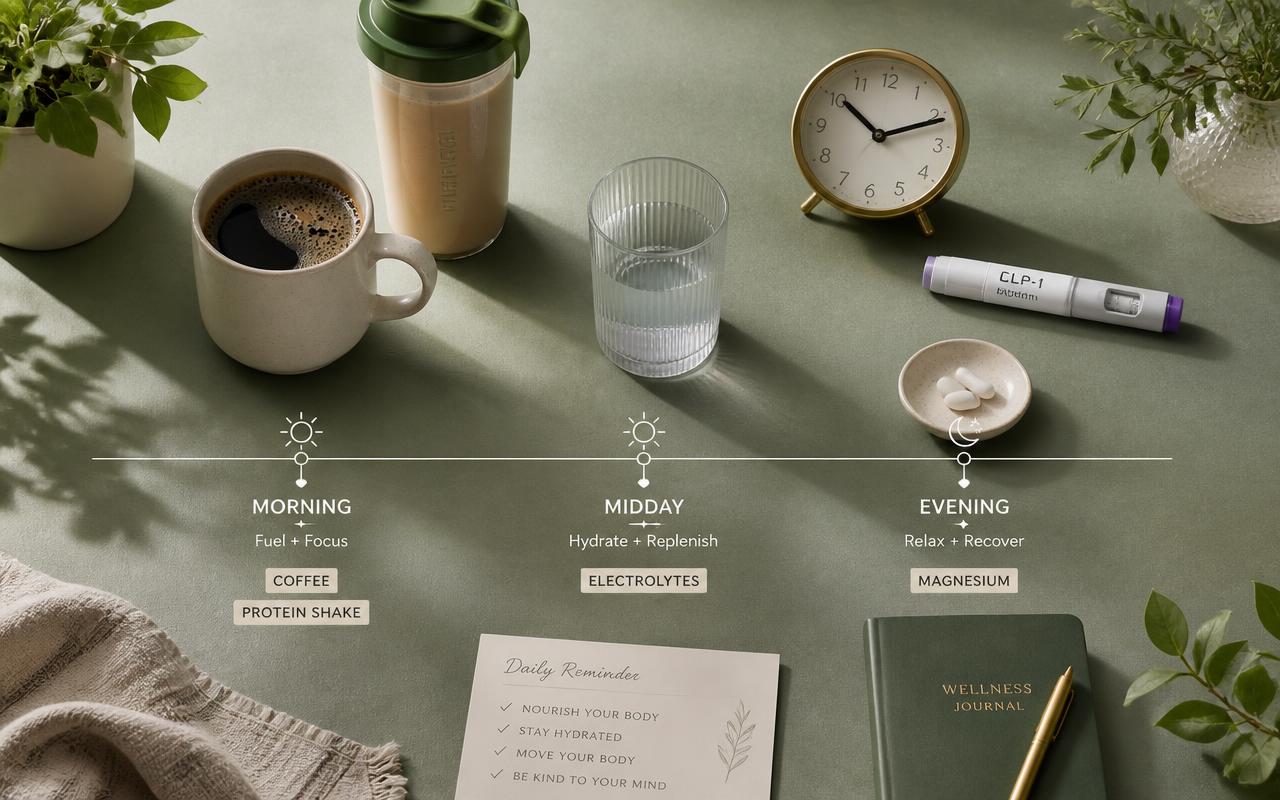
Target: 80–100 oz water/day and 2,000–3,000 mg sodium, plus adequate potassium and magnesium. A pinch of salt in every glass of water, or a sugar-free electrolyte packet, changes the whole day for many users.
Magnesium glycinate at night (300–400 mg) does double duty — it eases the nausea-adjacent muscle tension and improves sleep, which further reduces nausea by day 3–4.
7-day nausea-proof meal plan
Repeat any day that works for you; this is a template, not a prescription. Portion sizes assume small — half of your pre-GLP-1 servings.
- Day 1 — Breakfast: plain oatmeal + banana slices. Snack: Greek yogurt. Lunch: chicken and rice soup. Snack: crackers + peppermint tea. Dinner: baked white fish + rice + steamed carrots.
- Day 2 — Breakfast: scrambled egg + toast. Snack: applesauce. Lunch: turkey and rice bowl. Snack: cottage cheese. Dinner: chicken breast + mashed potato + green beans.
- Day 3 — Breakfast: protein shake (sipped over 30 min). Snack: banana. Lunch: miso soup + rice. Snack: cantaloupe. Dinner: baked cod + rice noodles + zucchini.
- Day 4 — Breakfast: Greek yogurt + berries. Snack: crackers + broth. Lunch: chicken salad (light mayo) on toast. Snack: melon. Dinner: turkey meatballs (baked) + plain pasta.
- Day 5 — Breakfast: oatmeal + peanut butter (1 tsp). Snack: hard-boiled egg. Lunch: rotisserie chicken (skin off) + rice. Snack: yogurt. Dinner: shrimp stir-fry (light oil) + rice.
- Day 6 — Breakfast: cottage cheese + banana. Snack: crackers. Lunch: tuna salad on toast. Snack: watermelon. Dinner: baked chicken + sweet potato + steamed broccoli.
- Day 7 — Breakfast: scrambled eggs + toast. Snack: popsicle. Lunch: chicken soup with rice. Snack: yogurt. Dinner: baked salmon (small portion) + rice + carrots.
How long does Ozempic nausea last?
For most users on semaglutide (Ozempic/Wegovy) or tirzepatide (Mounjaro/Zepbound), nausea is worst in the first 3–7 days after starting a new dose and fades meaningfully by day 10–14. By week 4 at a stable dose, most users have little to no nausea. Every dose escalation restarts the clock — expect another 1–2 weeks of adjustment.
If nausea is still severe after 3 weeks at a stable dose, that's a signal to talk to your prescriber about slower titration, a dose reduction, or a switch. It is not a signal to power through.
Red flags — when to call your provider
- Vomiting more than 24 hours or unable to keep liquids down.
- Signs of dehydration: dark urine, dizziness on standing, rapid heartbeat, confusion.
- Severe upper-abdominal pain radiating to your back (possible pancreatitis).
- Nausea paired with yellow skin or eyes (possible gallbladder issues).
- Weight loss faster than 2–3 lb per week accompanied by nausea — often means you're not eating enough.
FAQ: what people ask about Ozempic and nausea
What foods help nausea on Ozempic fastest? Ginger (tea or 1g capsule), plain crackers, cold Greek yogurt, and small sips of clear broth. Most users feel relief within 60–90 minutes.
Why does Ozempic cause nausea? Because it slows gastric emptying by 30–70%. Food sits in your stomach longer, which drives fullness signaling but also queasiness — especially with fatty or large meals.
How long does the nausea last? Typically 3–14 days per dose level; less at the starting dose, more at escalations. Stable dose = usually minimal nausea by week 4.
Can I still lose weight if I eat bland food? Yes — GLP-1s work through appetite suppression, not food restriction. Six small bland meals ≠ overeating. Protein and hydration matter more than food variety in the first weeks.
Does ginger really work for GLP-1 nausea? Yes. Multiple randomized trials show 1–1.5g ginger/day reduces nausea from pregnancy, chemo, and post-surgery contexts by 30–60%. GLP-1 nausea shares similar mechanisms.
What should I avoid completely in week 1? Fried food, alcohol, large portions, and anything you have to force down. If you don't want it, don't eat it — but sip protein and electrolytes to stay fueled.
Is it OK if I only eat 800 calories? Short-term (a few days), yes. Long-term, no — under 1,000 kcal/day accelerates muscle loss and worsens fatigue. Prioritize 60–100g protein/day even if total calories are low.
Related guides
Medication guides mentioned in this article
Related tools
Supplements built for your GLP-1 journey
Formulated for the exact nutrient gaps GLP-1 medications create — protein, electrolytes, magnesium, digestive support, and more. Trusted by thousands staying strong, energetic, and healthy on Ozempic, Wegovy, Mounjaro, and Zepbound.
Continue reading
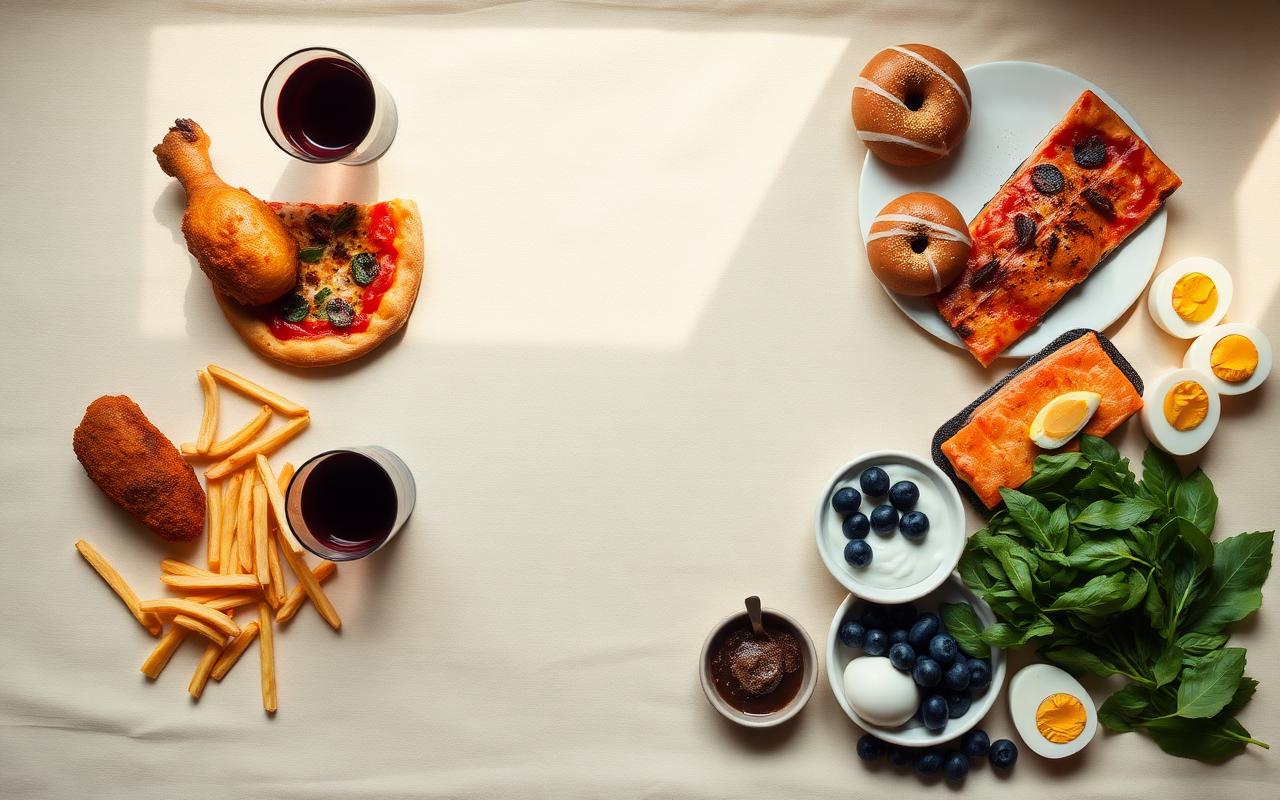
Ozempic Foods to Avoid: The Complete Diet Guide for Ozempic, Wegovy, Zepbound & Mounjaro (2026)
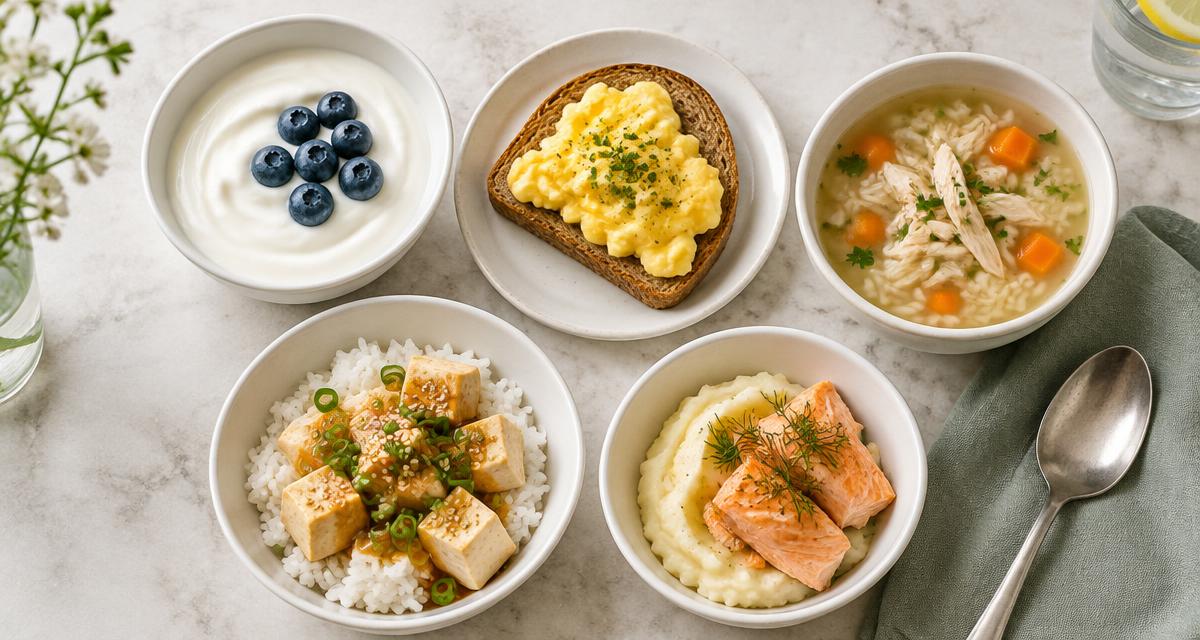
What to Eat When You're Not Hungry on GLP-1: 15 Small, Protein-Rich Meals
What to Eat on GLP-1 Medications: 25 Foods That Are Easy on Your Stomach
When Is the Best Time to Take GLP-1 Supplements? (Daily Schedule)