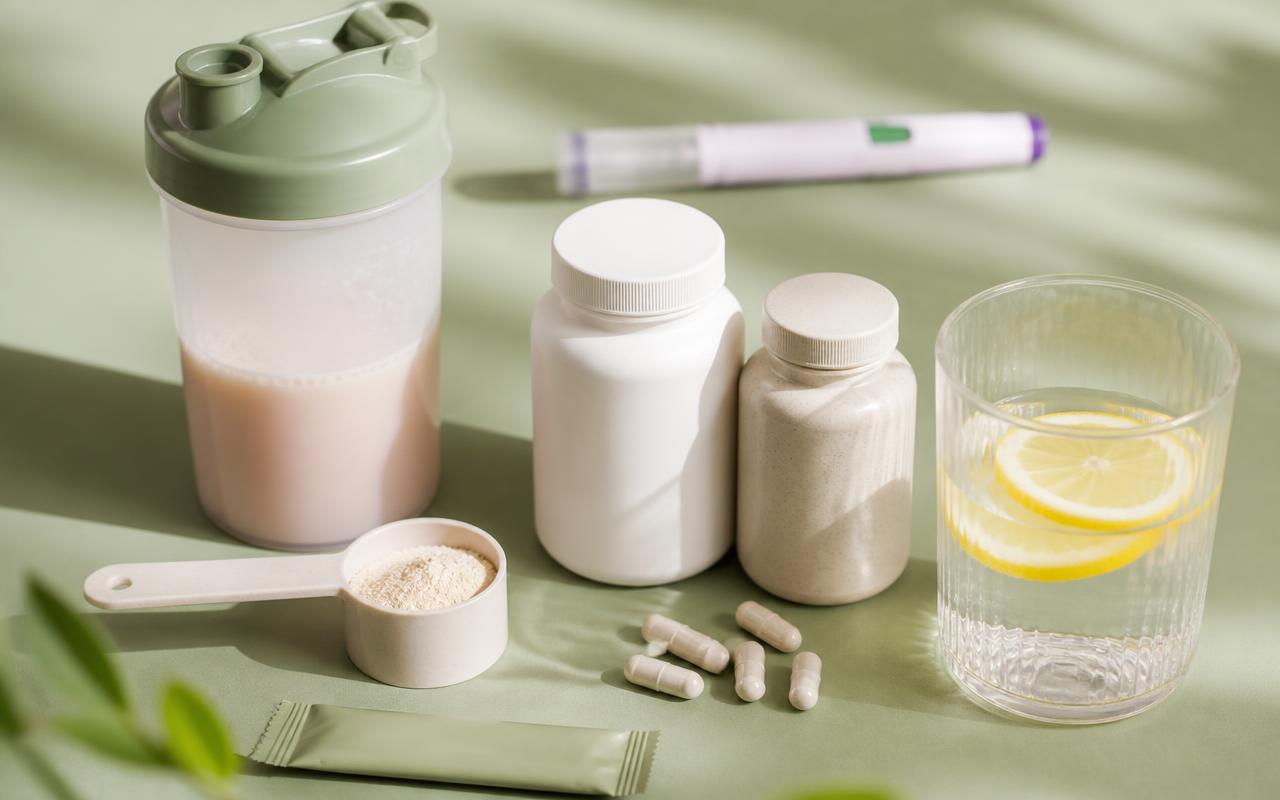
Supplements to Take With Ozempic: The 9 Best (and 3 to Avoid) in 2026
GLP-1 medications like Ozempic, Wegovy, Mounjaro, and Zepbound can quietly deplete protein, electrolytes, and key micronutrients. Here are the 9 supplements doctors and dietitians most often recommend to take with Ozempic — plus the 3 you should skip — with dosing, timing, and safety notes.

Ozempic, Wegovy, Mounjaro, and Zepbound are life-changing for millions of people — but they don't come with a nutrition plan. Because GLP-1 medications cut appetite by 30–70%, most users eat far less food than they used to. Less food means less of everything: protein, fiber, electrolytes, B vitamins, magnesium, vitamin D, and omega-3s. Left unchecked, that shortfall shows up as fatigue, hair loss, muscle loss, constipation, brain fog, and stalled weight loss.
The right supplement stack fills those specific gaps without adding calories or interfering with your medication. Below is the evidence-based short list of what to take with Ozempic — ranked by how consistently doctors, registered dietitians, and GLP-1 clinics recommend them — plus dosing, timing, and the three supplements you should skip.
Quick answer: the 9 best supplements to take with Ozempic
If you only read the summary, this is the short list. Details, dosing, and timing follow below.
- 1. Protein powder (whey isolate, pea, or collagen) — 20–40 g per day to protect muscle
- 2. Electrolytes (sodium, potassium, magnesium) — daily to prevent fatigue and headaches
- 3. Magnesium glycinate — 200–400 mg at night for constipation, sleep, and cramps
- 4. Vitamin D3 + K2 — 1,000–2,000 IU D3 with 90–120 mcg K2 daily
- 5. Vitamin B12 (methylcobalamin) — 500–1,000 mcg daily, especially if also on metformin
- 6. Omega-3 (EPA/DHA fish oil or algae) — 1,000–2,000 mg combined EPA+DHA daily
- 7. Fiber (psyllium or acacia) — 5–10 g daily for constipation and satiety
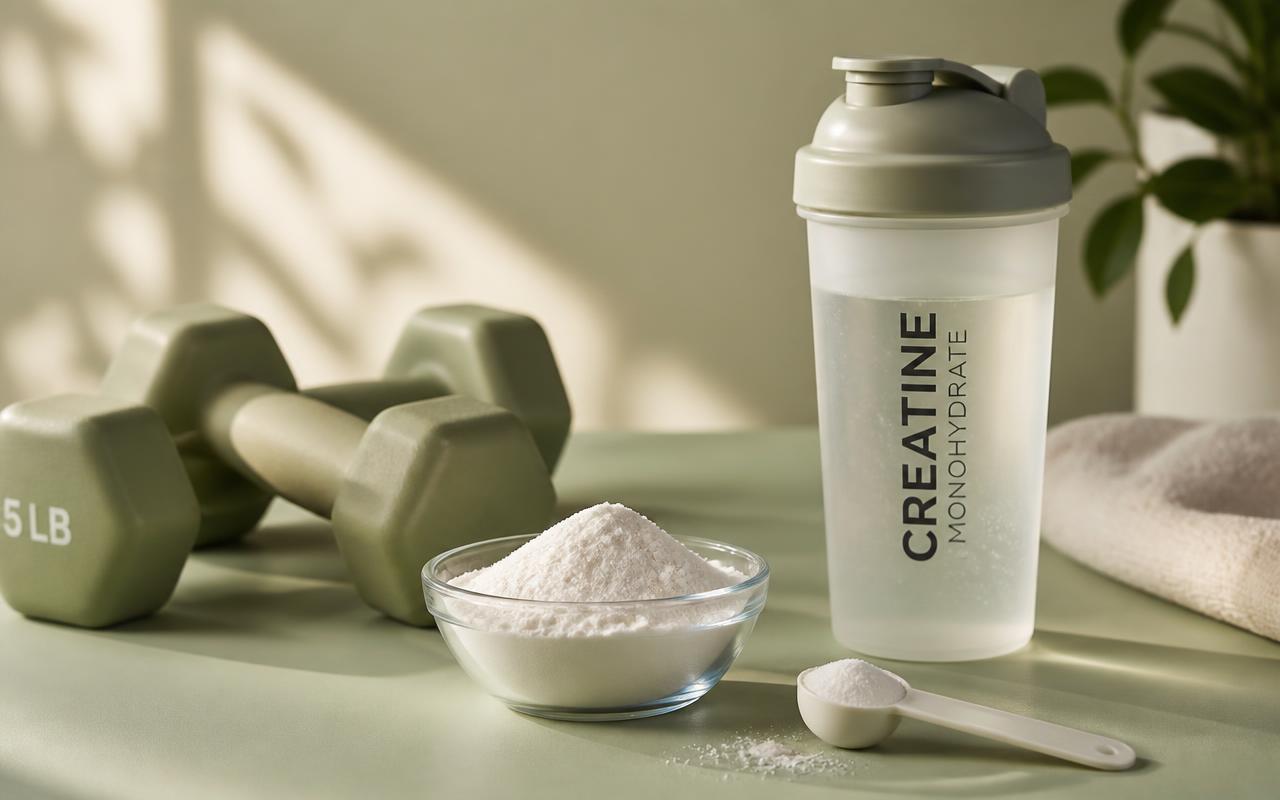
- 8. Creatine monohydrate — 3–5 g daily to preserve strength and lean mass
- 9. A high-quality multivitamin — daily insurance policy for micronutrient gaps
Why supplements matter on GLP-1 medications
GLP-1 receptor agonists work in part by slowing gastric emptying and suppressing appetite in the brain. The result is a dramatic drop in food intake — clinical trials show average calorie reductions of 20–35%, and real-world users often eat even less. Whatever your diet was providing before, you're now getting a fraction of it.
That has two downstream effects. First, up to 40% of the weight lost on a GLP-1 without intervention comes from lean muscle mass, not fat. Second, subclinical deficiencies in B12, vitamin D, magnesium, and iron become common — and they drive most of the fatigue, hair loss, and mood dips that GLP-1 users complain about. Supplements don't replace food, but they close the specific gaps that a shrunken appetite creates.
1. Protein powder: the single most important supplement on Ozempic
Muscle is metabolically expensive to hold onto, and your body will happily burn it for fuel when calories are low. To keep the weight you lose as fat instead of muscle, most GLP-1 clinicians target 0.6–1.0 g of protein per pound of goal body weight per day. That's 90–150 g for most adults — a number nearly impossible to hit on a GLP-1 appetite through whole food alone.
A single 20–40 g scoop of protein powder mixed into water, milk, Greek yogurt, or oatmeal closes the gap without triggering fullness the way a chicken breast would. Whey isolate is the most bioavailable and lowest in lactose; pea and rice blends are excellent plant options; collagen is not a complete protein but supports hair, skin, and joints (pair it with a complete-protein source).
If whey triggers sulfur burps (a common Ozempic complaint), switch to pea, rice, or a hydrolyzed whey — cysteine and methionine are what your gut ferments into hydrogen sulfide.
2. Electrolytes: the fix for GLP-1 fatigue and headaches
Low sodium is the single most under-diagnosed cause of tiredness on Ozempic. When you eat less, you take in less salt; when you drink more water (as most GLP-1 users are told to), you dilute what little sodium you have. The result is fatigue, lightheadedness on standing, headaches, and muscle cramps that get blamed on the drug but are really an electrolyte shortfall.
Look for an unsweetened or lightly sweetened electrolyte powder with roughly 1,000 mg sodium, 200–300 mg potassium, and 60–100 mg magnesium per serving. LMNT, Ultima, Redmond Re-Lyte, and similar products all fit. One serving on waking and a second on training days is enough for most people.
3. Magnesium glycinate: constipation, sleep, and muscle cramps in one
Ozempic slows the entire digestive tract, and constipation affects nearly 25% of users. Magnesium glycinate at 200–400 mg taken with dinner or before bed softens stool, calms the nervous system, and reduces the leg cramps that show up when calories drop. Glycinate is gentler on the gut than magnesium citrate or oxide, which can cause diarrhea at similar doses.
If constipation is your main issue, magnesium citrate (200–400 mg) is more laxative. If sleep and cramps are the priority, glycinate wins.
4. Vitamin D3 + K2: bone, mood, and immune insurance
Roughly 40% of U.S. adults are already low in vitamin D before starting a GLP-1, and rapid weight loss can worsen it as D is stored in fat tissue and released unpredictably. Low vitamin D is linked to fatigue, low mood, poor sleep, and reduced muscle strength — a stack of symptoms that mirrors what many GLP-1 users report and misattribute to the medication.
Take 1,000–2,000 IU of D3 daily (higher if your last blood test showed a serum 25(OH)D under 30 ng/mL — ask your doctor). Pair it with 90–120 mcg of K2 (MK-7) to help direct calcium into bone rather than soft tissue. Take with a meal that contains some fat for absorption.
5. Vitamin B12: the energy and hair-loss vitamin
B12 comes almost exclusively from animal foods, and GLP-1 users who cut back on meat, eggs, and dairy often slip into subclinical deficiency within months. Low B12 causes fatigue, brain fog, tingling in hands and feet, and — critically — telogen effluvium, the shedding phase behind most GLP-1 hair loss.
500–1,000 mcg of methylcobalamin (sublingual or capsule) daily is a safe, well-absorbed dose. If you also take metformin, testing B12 annually is smart — metformin further reduces B12 absorption.
6. Omega-3 (EPA/DHA): inflammation, mood, and heart health
Fish, walnuts, and flax intake often drop when appetite drops. Omega-3s help offset the low-grade inflammation of visceral fat loss, support mood and cognition, and modestly reduce triglycerides — all relevant on a GLP-1.
Aim for 1,000–2,000 mg of combined EPA + DHA per day from a third-party-tested fish oil (IFOS or NSF certified) or an algal oil if you don't eat fish. Take with a meal to reduce fishy burps, which are notably worse on Ozempic because of delayed gastric emptying.
7. Fiber: the constipation and satiety multitool
Between smaller portions and reduced fruit and vegetable intake, most GLP-1 users fall well below the 25–35 g of daily fiber their gut needs to stay regular and their microbiome needs to stay diverse. Psyllium husk (Metamucil, generic) at 5–10 g daily in water is the best-studied option; acacia fiber is gentler if psyllium causes gas.
Start low — 3 g once daily — and increase over 1–2 weeks. Drink at least 12 oz of water with every dose or fiber will worsen constipation, not fix it.
8. Creatine monohydrate: keep the strength you already have
Creatine is the most-studied performance supplement in existence, and it takes on a new role on Ozempic: it helps preserve strength, power, and lean mass during rapid weight loss. A daily dose of 3–5 g of plain monohydrate is enough — no loading phase required — and it works whether you take it morning, night, with food, or without.
Creatine causes mild water retention inside muscle (not under the skin), which can slow the scale slightly for the first 2–3 weeks. That's a feature, not a bug: it's your muscles staying full.
9. A high-quality multivitamin: catch what the stack misses
Iron, zinc, iodine, selenium, folate, and the trace minerals rarely make it into a dedicated GLP-1 stack, but they matter for energy, thyroid function, hair, and immunity. A once-daily multivitamin — ideally with iron for premenopausal women and iron-free for men and postmenopausal women — is cheap insurance against the deficiencies you don't see coming.
Look for third-party testing (USP, NSF, or ConsumerLab), methylated B vitamins, and vitamin A as beta-carotene rather than mega-dose retinol.
3 supplements to avoid (or use with caution) on Ozempic
Not every popular supplement mixes well with a GLP-1. These three come up most often as problems in clinic.
- Berberine at high doses. It's marketed as 'nature's Ozempic,' but stacking berberine (500–1,500 mg/day) with a prescription GLP-1 can push blood sugar too low, worsen GI side effects, and it interacts with many medications through CYP3A4. Talk to your prescriber before combining.
- High-dose stimulant fat burners and 'thermogenic' pre-workouts. Ozempic already suppresses appetite; stacking caffeine, yohimbine, and synephrine on top raises heart rate and blood pressure and worsens anxiety and sleep. Plain caffeine (100–200 mg) is fine for most people.
- Chromium picolinate megadoses. Small amounts in a multivitamin are fine, but standalone 1,000+ mcg doses aimed at 'blood sugar' add little on top of a GLP-1 and can cause GI upset and, rarely, kidney issues at chronic high doses.
When to take each supplement (a sample GLP-1 day)
Timing matters less than consistency, but this template minimizes GI upset and keeps absorption high.
- On waking: electrolyte drink + creatine 3–5 g
- Breakfast: multivitamin + vitamin D3/K2 + omega-3 (with food for absorption)
- Mid-morning or lunch: protein shake (20–30 g) if protein intake is low
- Afternoon: psyllium fiber in 12 oz water (away from other supplements and medications by 1 hour)
- Dinner: B12 (if not in multivitamin) + a second protein source if needed
- Before bed: magnesium glycinate 200–400 mg
Do these supplements interact with Ozempic?
Ozempic (semaglutide) is injected, so most oral supplements don't affect its absorption directly. The bigger concern is that a slowed stomach can delay absorption of oral medications and supplements — meaning peak blood levels arrive later and lower than expected. Space fiber supplements (psyllium, acacia) at least 1 hour away from oral medications, and take fat-soluble vitamins (A, D, E, K, omega-3) with a meal containing fat.
Berberine, red yeast rice, and high-dose cinnamon extract can compound the blood-sugar-lowering effect of GLP-1s in people also taking insulin or sulfonylureas — check with your prescriber before adding them. Everything else on the list above is generally safe at the doses recommended, but confirm with your doctor if you take blood thinners, thyroid medication, or have kidney disease.
Frequently asked questions
What's the single most important supplement on Ozempic? Protein — either from food or a shake. Muscle loss is the #1 preventable downside of rapid GLP-1 weight loss, and adequate protein is the fix.
Do I need special 'GLP-1' supplements? No. The formulas marketed as 'GLP-1 companions' are almost always the same magnesium, B12, D3, and electrolytes you can buy separately for less. Read the label — if it's just a rebranded multivitamin, skip the premium.
Can supplements make Ozempic work better? Not directly. But protein, creatine, and adequate electrolytes make the weight you lose more likely to be fat, and less likely to be muscle — which is what people actually want.
Should I take supplements on injection day? Yes. There's no interaction between your GLP-1 injection and any of the supplements above.
How long until I feel the difference? Electrolytes and magnesium: within days. Vitamin D and B12: 2–6 weeks. Protein and creatine on muscle preservation: measurable within 4–8 weeks with resistance training.
Are supplements needed on Wegovy, Mounjaro, and Zepbound too? Yes — the same appetite reduction and calorie shortfall applies to all four medications. The stack above works identically for semaglutide (Ozempic, Wegovy) and tirzepatide (Mounjaro, Zepbound).
Related guides
Medication guides mentioned in this article
Related tools
Supplements built for your GLP-1 journey
Formulated for the exact nutrient gaps GLP-1 medications create — protein, electrolytes, magnesium, digestive support, and more. Trusted by thousands staying strong, energetic, and healthy on Ozempic, Wegovy, Mounjaro, and Zepbound.
Continue reading
GLP-1 Supplements: The Complete 2026 Guide (What Actually Works, What's Hype, and What to Take)
Supplements for GLP-1 Users: The 2026 Buyer’s Guide
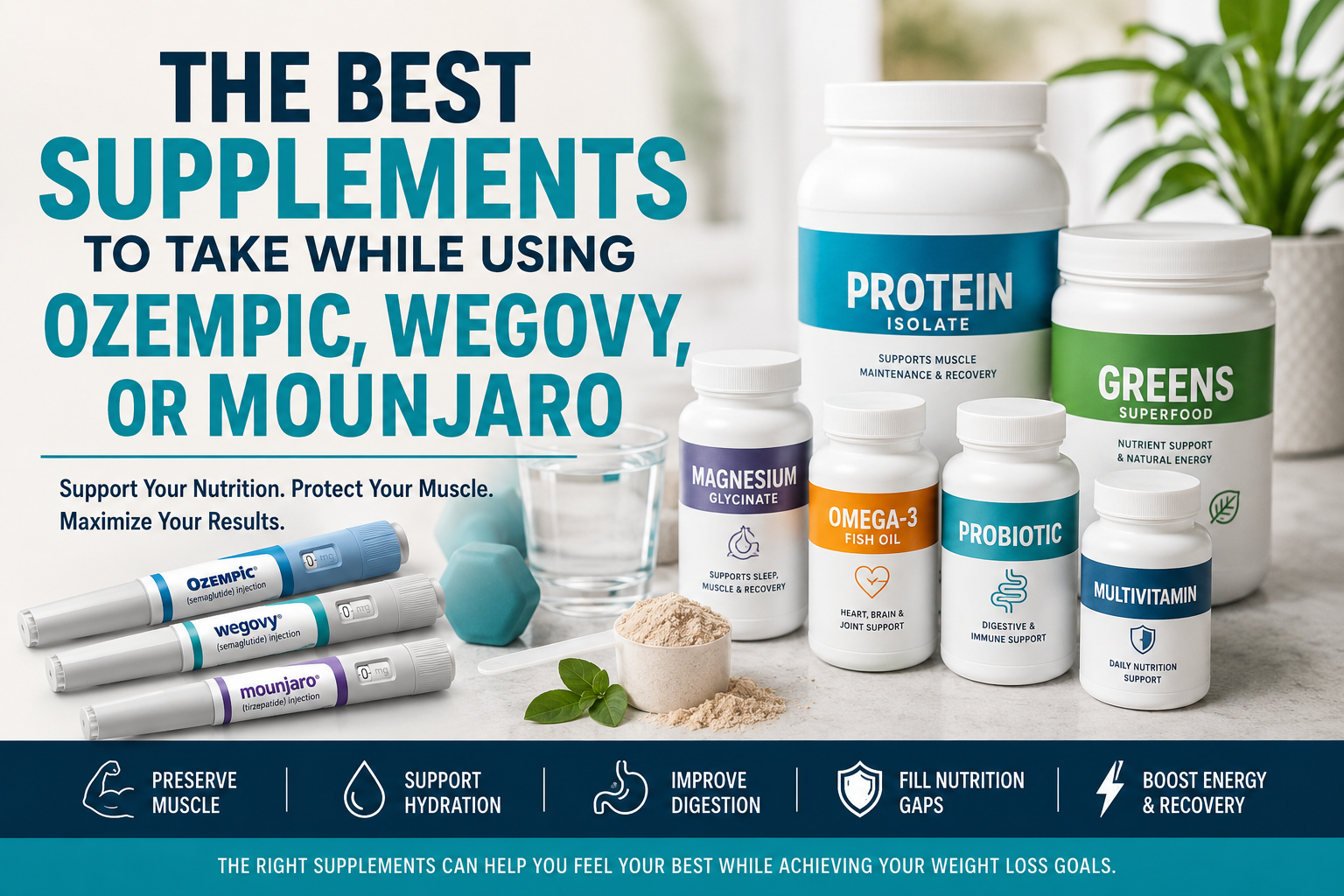
The Best Supplements to Take While Using Ozempic, Wegovy, or Mounjaro
Creatine on a GLP-1: Does It Protect Muscle? (Dose & Timing)